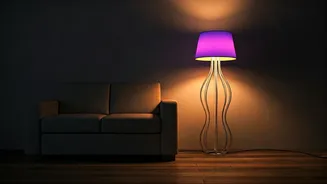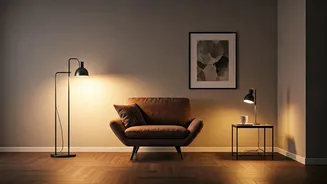



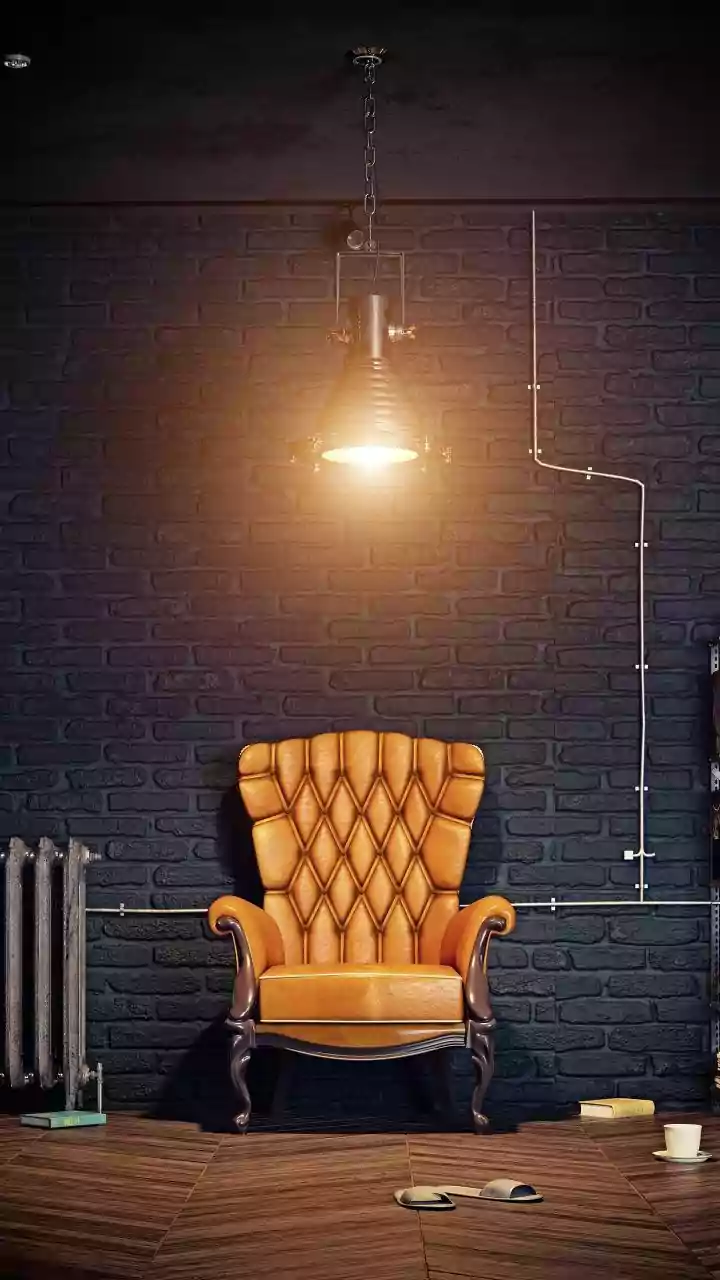

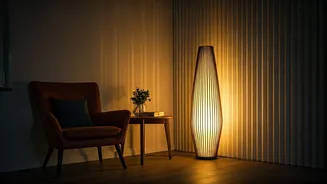
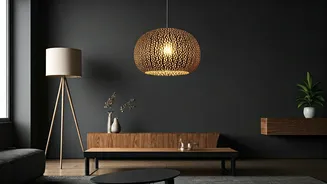


Think in Layers, Not Just Lamps
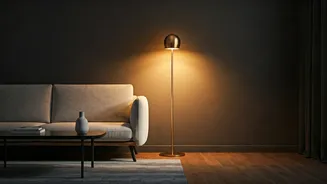
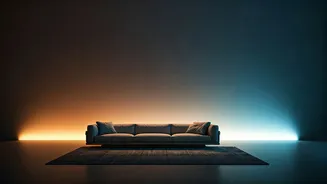
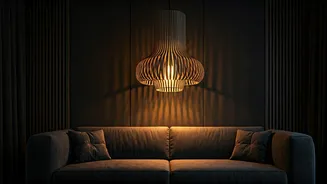
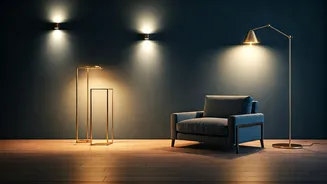
Professional designers don't just put a lamp in the corner and call it a day. They think in layers, and it’s the single most transformative concept you can apply to your own home. There are three main types of lighting to consider. First, there’s **Ambient
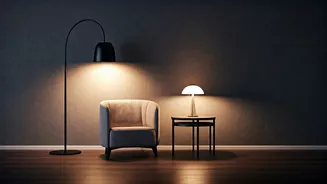
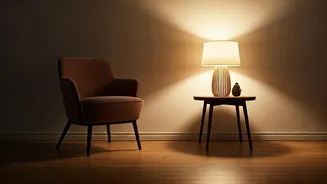
Lighting**. This is the general, overall illumination that lets you see and move around safely. It’s your ceiling fixtures, recessed lights, or a large floor lamp that brightens the whole space. It sets the foundational brightness for the room. Next comes **Task Lighting**. This is focused light for specific activities, like reading, cooking, or working. Think a desk lamp, under-cabinet lights in the kitchen, or a swing-arm light next to your favorite armchair. It prevents eye strain and makes activities more comfortable and enjoyable. Finally, there’s **Accent Lighting**. This is the fun, dramatic layer. It’s used to highlight architectural features, artwork, or plants. Picture a spotlight aimed at a painting or a small uplight tucked behind a fiddle-leaf fig. Accent lighting adds depth, personality, and a touch of drama.
Get the Color Temperature Right
Not all light is created equal. The color of the light itself, known as color temperature and measured in Kelvins (K), has a massive psychological impact. You’ve likely felt this instinctively: a harsh, blue-white light feels clinical, while a soft, yellow glow feels cozy. Here’s a simple guide. For living rooms, bedrooms, and dining areas—places where you want to relax and feel comfortable—look for bulbs labeled “Warm White” or “Soft White,” typically in the 2700K to 3000K range. This warm, yellowish hue is similar to the light from a traditional incandescent bulb or a candle, promoting relaxation. For kitchens, bathrooms, and home offices—spaces where you need to be alert and see clearly—a “Cool White” or “Daylight” bulb, around 4000K to 5000K, is a better choice. This whiter, more energizing light mimics natural daylight, improving focus and color accuracy. Using this kind of light in a bedroom, however, can interfere with your body's natural sleep cues.
Embrace the Power of Dimmers
If you make only one change to your home’s lighting, let it be this: install dimmer switches wherever you can. Dimmers are the ultimate mood-setting tool, giving you complete control over the intensity of your lighting. The ability to take a room from bright and functional to low and intimate with the turn of a dial is a game-changer. A brightly lit dining room is great for a family game night, but for a romantic dinner, you want to bring the lights down low. A living room needs to be bright for cleaning, but soft and subdued for watching a movie. Dimmers give you that flexibility. They are relatively inexpensive and easy for an electrician (or a confident DIY-er) to install, yet they offer a level of control that makes a room feel instantly more luxurious and adaptable to any occasion.
Match the Light to the Room's Purpose
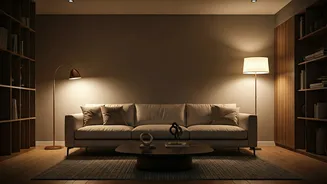
Applying these principles isn't a one-size-fits-all process. The perfect lighting scheme is entirely dependent on the room's function. In the **Living Room**, aim for a cozy and versatile mix. Use a central fixture on a dimmer for ambient light, place floor and table lamps for reading (task), and add a small accent light to highlight a piece of art. The goal is to have multiple light sources you can control independently. In the **Kitchen**, prioritize function. Bright, clear ambient light is a must, but the real star is under-cabinet task lighting. It illuminates your countertops, eliminating shadows cast by your body and making prep work safer and easier. Consider a pendant light over an island for a focused task and style element. In the **Bedroom**, the goal is relaxation. Avoid harsh overhead lighting if you can. Instead, rely on bedside table lamps with warm-temperature bulbs. If you do have an overhead fixture, make sure it’s on a dimmer. You want to create a serene sanctuary that signals to your brain it’s time to wind down.