

More Than Just Spice
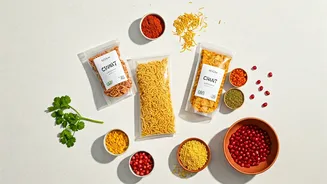
To understand this shift, you first need to understand the concepts of chaat and masala. If you think ‘masala’ just means a generic curry powder, it’s time for an upgrade. Masala simply means a blend of spices, and in India, these blends are infinite,
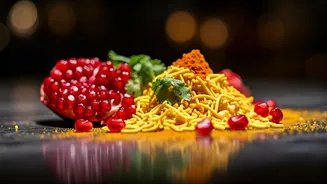
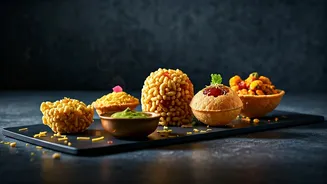
ranging from the warming garam masala to tangy, funky chaat masala. Chaat itself isn’t a single dish but a category of savory street snacks defined by a symphony of flavors and textures. It’s a masterclass in contrast: tangy tamarind chutney meets cooling yogurt, spicy chilies mingle with sweet notes, and everything is punctuated by ‘crunch’—crispy puris, fried noodles (sev), or puffed rice. It’s not just a snack; it’s an experience, an explosion of sweet, sour, spicy, and savory in a single bite. This is the complex flavor profile that American consumers, bored with one-note snacks, are suddenly craving.
The Search for the Next Sriracha
For decades, the American snack industry has operated on a predictable flavor cycle. A new taste emerges, gains a cult following, and then—if it’s lucky—explodes into the mainstream. We saw it with jalapeño, then chipotle, and most famously with Sriracha, which went from a niche hot sauce to a flavor option for everything from potato chips to mayonnaise. Food conglomerates are in a constant, high-stakes hunt for the ‘next Sriracha,’ and Indian flavors are now at the top of the list. Analysts point to a perfect storm of factors. Millennial and Gen Z consumers have more adventurous palates than any generation before them, having grown up with a wider array of global cuisines. They don’t just tolerate spice; they seek out complexity, authenticity, and a story behind their food. The layered, bold, and highly Instagrammable nature of chaat-inspired flavors fits that demand perfectly.
From Niche Market to Mainstream Aisle
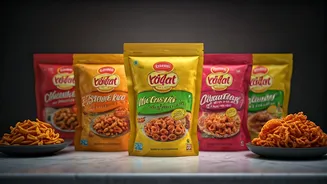
This trend isn’t just being driven by foodie influencers. It’s a reflection of changing demographics and a globalized culture. While the growing Indian diaspora in the U.S. provides a loyal consumer base, the real market expansion is coming from everyone else. Brands are realizing that flavors like ‘Magic Masala,’ a long-time hit for Lay’s in India, have massive crossover potential. But it's not just about slapping a new label on a bag of chips. The most successful products are those that capture the *spirit* of chaat. This means incorporating multiple textures, like the popular Chex Mix, but with Indian spices. It means creating snacks that deliver that signature tangy-sweet-spicy hit. Small, agile startups are often leading the way, introducing products like spiced popcorn, lentil-based puffs, and chickpea crisps that feel both authentic and modern.
The New Language of Flavor
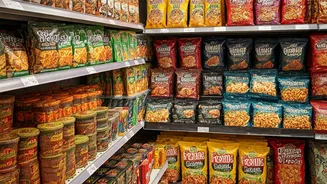
What makes this trend different from the fleeting fads of the past is its depth. Chaat and masala aren’t single ingredients; they are entire flavor systems. This gives innovators a vast playbook to draw from. Instead of just ‘spicy,’ a chip can now be ‘tamarind-chili.’ Instead of ‘savory,’ a snack mix can be ‘mango-mint with black salt.’ Big players are taking notice. PepsiCo has not only expanded its Lay's masala offerings but has also seen success with its Kurkure brand, a corn-based crunchy snack with intense masala flavors. Meanwhile, companies like Whole Foods are stocking their shelves with smaller brands that put Indian flavors front and center. This isn't about replacing classic flavors but expanding the very definition of what a snack can be.