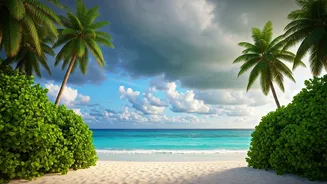


First, Where Exactly is Lakshadweep?
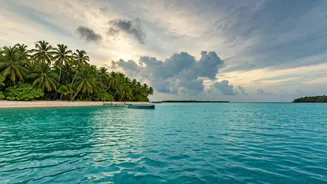
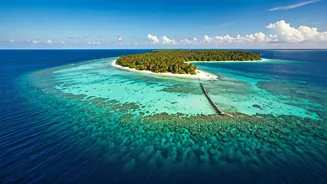
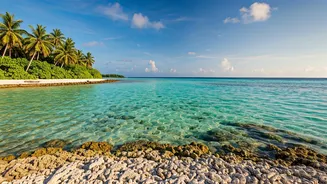
For most Americans, Lakshadweep is off the beaten path—and that’s its main appeal. Located in the Laccadive Sea off the southwestern coast of India, it's a chain of 36 islands, only a handful of which are inhabited. Think of it as India’s answer to the Maldives
or Seychelles, but far less developed and with stricter access controls aimed at preserving its fragile ecosystem and unique culture. Gaining entry requires a special permit, even for Indian citizens from the mainland, making it one of the most exclusive destinations in the region. Its reputation is built on stunning atolls, vibrant marine life, and a sense of serene isolation.
The Allure of the Monsoon Season
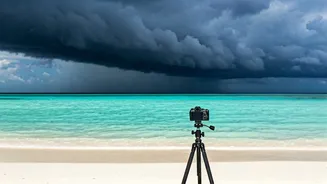
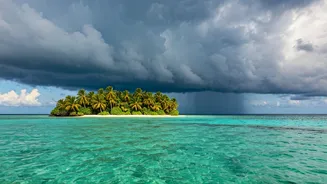
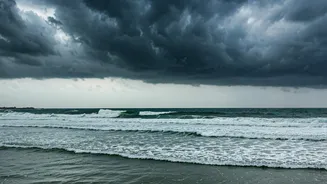
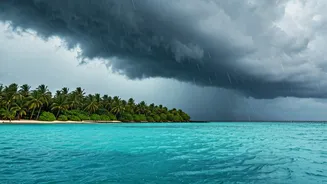
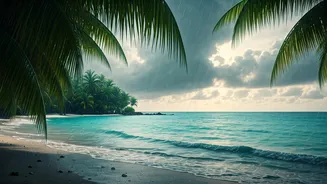
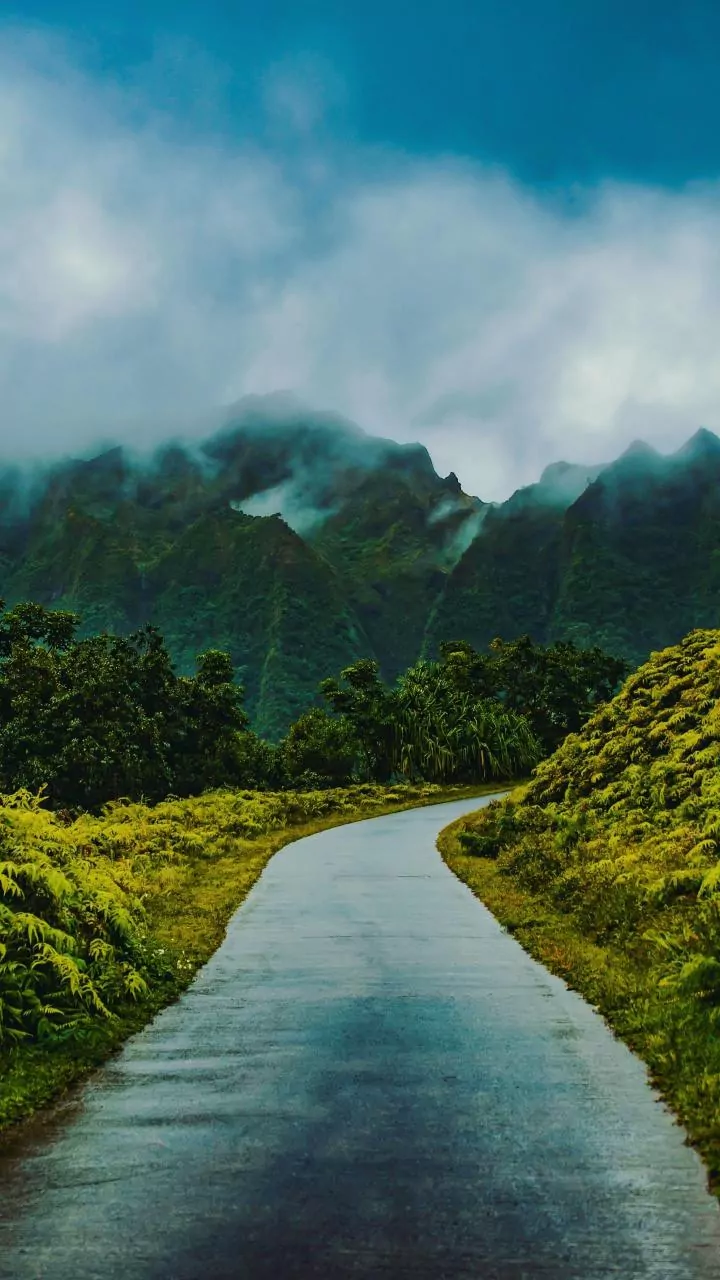
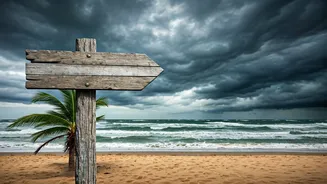
The headline’s promise of “rainy beauty” isn’t an exaggeration. From roughly late May through September, the southwest monsoon transforms the islands. The landscape becomes intensely lush and green, washed clean by daily downpours. The skies turn into a dramatic canvas of shifting grey clouds, occasionally broken by brilliant sunshine that makes the wet foliage glitter. For photographers and solitude-seekers, the moody, atmospheric scenery can be intoxicating. The tourist crowds of the peak season are gone, leaving a quiet, contemplative version of paradise. It’s a time when you can experience the islands as the locals do, in a rhythm dictated by the rain and the sea.
The Reality: What ‘Travel Alerts’ Mean Here
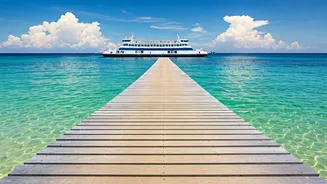
This is where the dream meets a harsh reality. The “alerts” aren’t just about packing a raincoat. The monsoon brings high winds and extremely rough seas, making travel to and between the islands treacherous. The primary mode of transport for many is by sea—either from the mainland city of Kochi or between the islands themselves. During the monsoon, these ferry and ship services are frequently cancelled or suspended for days, if not weeks, at a time. You could easily find yourself stranded on the mainland, unable to reach your destination, or worse, stuck on an island long after your planned departure date. The sea is often too choppy for the small boats needed for inter-island hopping, effectively isolating each island.
Flights, Resorts, and Activities on Hold
While Agatti Island has the archipelago’s only airport, flights can also be subject to delays and cancellations due to poor visibility and strong crosswinds. But the biggest issue for tourists is that the infrastructure largely shuts down. The main attractions in Lakshadweep are water-based: snorkeling, scuba diving, kayaking, and glass-bottom boat tours. These activities are suspended during the monsoon because of the dangerous sea conditions. Consequently, most private resorts and the official government-run tourism operator (SPORTS - Society for Promotion of Nature Tourism and Sports) close their doors entirely. They typically cease operations in mid-May and don’t reopen until September or October. Arriving during this period means you’ll find very few amenities, limited activities, and almost no tourist support.
So, When is the Best Time to Go?
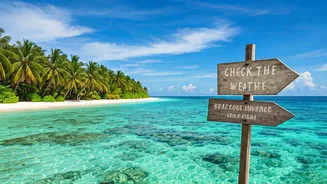
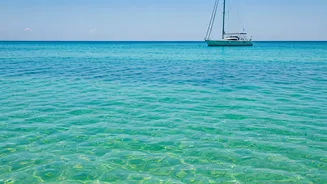
The consensus is clear: the ideal window to visit Lakshadweep is between October and mid-May. This period marks the dry season, with calm seas, clear blue skies, and excellent water visibility—perfect for diving and snorkeling. The weather is warm and pleasant, allowing for uninterrupted enjoyment of the beaches and lagoons. All resorts, water sports facilities, and transportation services are fully operational. Planning a trip during these months ensures you experience Lakshadweep at its absolute best, with full access to everything that makes it a world-class tropical destination. Booking well in advance is recommended, as permits and accommodations are limited even in peak season.