

The Great Summer Escape
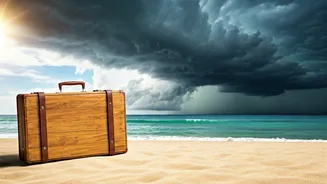
For tens of millions of Indian families, June is the undisputed king of vacation months. It marks the peak of the summer break, when schools across the country shut down, freeing up families for their annual getaway. This isn't just a casual trip; it's
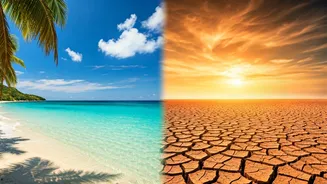
a deep-seated cultural ritual. After a long academic year, the promise of escaping the city for cooler climes, visiting relatives in distant villages, or exploring a new part of the country is a powerful driver of the domestic tourism industry. This year, the urge to travel is amplified by the lingering effects of post-pandemic "revenge travel." Having spent years under restrictions, many Indians are still making up for lost time, eager to reconnect and create new memories. Travel agencies and booking platforms entered the season with high hopes, anticipating a surge in demand that would fill hotels and flights from the Himalayas to the backwaters of Kerala. On paper, all the ingredients for a record-breaking travel season were in place.
The Wall of Unbearable Heat
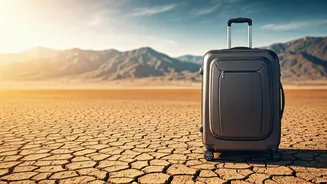
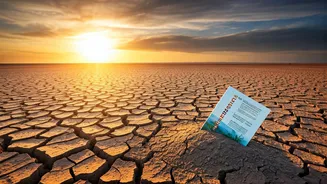
But reality has thrown a wrench in the works, and it’s a blisteringly hot one. Large swaths of India, particularly the northern plains and the capital region of Delhi, have been grappling with a relentless, record-shattering heatwave. We're not talking about a few uncomfortable days; this is a sustained period of extreme temperatures soaring well above 110°F (43°C), with some areas touching 122°F (50°C). Such heat isn't just inconvenient—it's dangerous. It brings life to a standstill, triggers health warnings, and creates severe water and electricity shortages. For travelers, this has been a game-changer. The idea of sightseeing in Delhi, exploring the palaces of Rajasthan, or visiting the sacred sites of Varanasi becomes untenable when the simple act of being outdoors is a health risk. Reports abound of tourists canceling trips to North India, with tour operators seeing bookings evaporate. The heat has effectively created a no-go zone out of some of the country's most popular tourist circuits, forcing a dramatic re-evaluation of summer plans.
Sticker Shock at Every Turn
Even for those willing to brave the weather, another formidable obstacle has emerged: cost. The economic principle of supply and demand has hit the Indian travel market hard. With traditional northern destinations becoming less appealing due to the heat, demand has funneled into a smaller number of places—primarily cooler, high-altitude hill stations like Shimla, Manali, and Darjeeling, as well as coastal regions in the south. This concentrated demand has sent prices for flights and hotels skyrocketing. Airfares to popular destinations have reportedly jumped by 25-40% compared to last year. A family of four looking for a last-minute getaway might find the cost of flights alone to be prohibitive. This economic squeeze is alienating a large segment of the middle-class families that traditionally form the backbone of the domestic tourism market. They find themselves caught in a frustrating bind: eager to travel but priced out of the few desirable options available.
A Pivot to Cooler Pastures
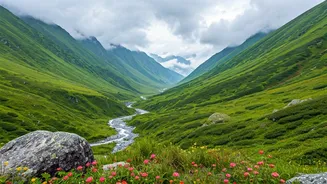
The result of this divided mood isn't a complete halt to travel, but a massive pivot. Indian travelers are proving to be adaptable. Instead of canceling vacations outright, many are changing where they go. The aforementioned hill stations are overflowing, leading to traffic jams and fully booked hotels, creating their own set of problems. Those with the means are increasingly looking abroad. Destinations in Southeast Asia like Thailand and Vietnam, or even parts of Europe, are suddenly looking more attractive—and in some cases, more affordable—than a domestic trip to a crowded Indian hill station. This shift reveals a new calculus for the Indian traveler, where climate resilience and budget-friendliness are becoming primary decision-making factors. The dream of a quintessential Indian summer holiday is being rewritten on the fly, shaped by the harsh realities of a changing climate and fluctuating economy. The industry is taking note, as the predictable patterns of the past no longer seem to apply.