



Redefine Your Idea of Consistency
The number one mistake people make is trying to replicate their home routine in a vacation setting. Your 6 a.m. spin class and meticulously prepped meals aren’t coming with you, and that's okay. Trainers emphasize that for a week or two, “consistency”
looks different. It’s not about perfect workouts; it’s about consistent intention. This means making choices that align with your goals, even if they're scaled back. Instead of viewing any deviation as a failure, reframe success as simply staying mindful. Did you choose the grilled fish instead of fried? Did you take the stairs? Did you get a good night's sleep? These are all wins in the vacation fitness playbook.
Find Your 'Minimum Effective Dose'
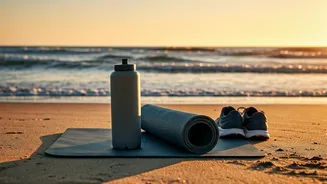
Forget hour-long gym sessions. When you’re on vacation, the goal is efficiency. Experts often talk about the “minimum effective dose”—the smallest amount of effort that still yields a result. This could be a 15-minute bodyweight circuit in your hotel room before everyone else wakes up. Think push-ups, squats, lunges, and planks. It could be a 20-minute jog on the beach or a quick swim in the ocean. This short burst of activity is enough to maintain muscle, keep your metabolism humming, and provide a valuable mental boost. The key is to do something, anything, most days. This approach removes the pressure of a long workout and makes it significantly more likely that you'll actually do it.
Make Movement Part of the Fun
The best vacation exercise is the kind that doesn’t feel like exercise at all. Instead of carving out separate “workout time,” integrate activity into your travel experience. This is what fitness pros call increasing your NEAT (Non-Exercise Activity Thermogenesis). Exploring a new city on foot instead of taking a cab is a fantastic lower-body workout. Hiking to a scenic viewpoint, snorkeling in a coral reef, paddleboarding on a lake, or even just chasing your kids around the pool are all forms of movement. By making activity the main event, you get to experience your destination more deeply while effortlessly staying active. It shifts the focus from obligation to adventure.
Navigate Nutrition with a 'Bookends' Strategy
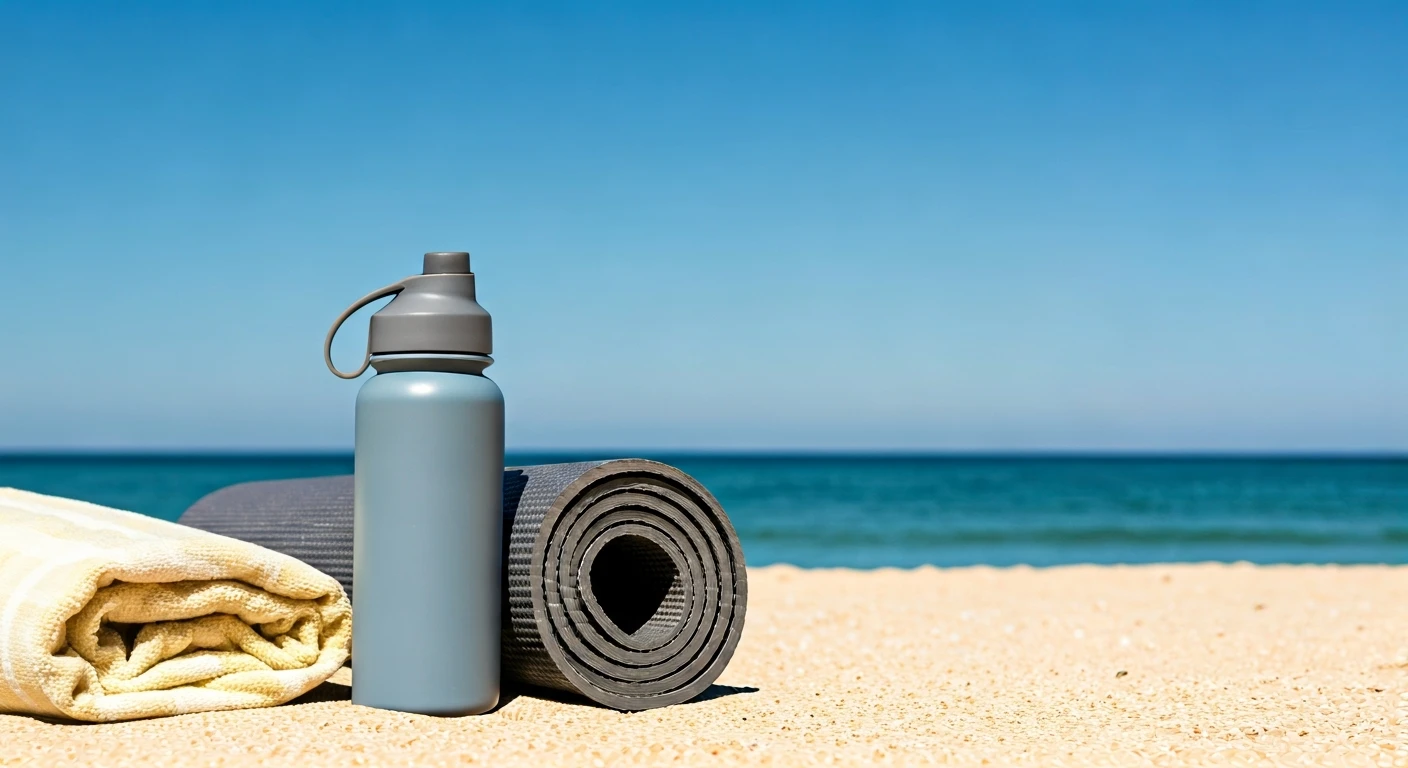
Vacation is for enjoying local cuisine, not for surviving on protein shakes. The all-or-nothing approach to food is a recipe for disaster. A more sustainable strategy is to focus on your “bookend” meals. If you can start your day with a solid, protein-forward breakfast, it will help regulate your appetite and blood sugar, making you less likely to overindulge later. Then, enjoy that special pasta dish or local dessert at dinner without guilt. Similarly, staying hydrated is crucial. Often, we mistake thirst for hunger. Carrying a water bottle can curb unnecessary snacking and help you feel more energetic. It's about creating a loose structure that still leaves plenty of room for spontaneity and enjoyment.
Embrace Rest as Active Recovery
In our productivity-obsessed culture, we often forget that rest is a critical component of fitness. Your muscles repair and grow during periods of recovery, not during the workout itself. Vacation is the perfect opportunity to catch up on sleep and let your body truly recharge. Don't feel guilty for sleeping in or taking an afternoon nap. Quality sleep reduces stress hormones like cortisol, which can contribute to weight gain and muscle breakdown. Viewing rest as a productive part of your wellness routine—rather than as laziness—allows you to return home not just rested, but physically and mentally stronger.