
1. The Golden Rule of Turmeric
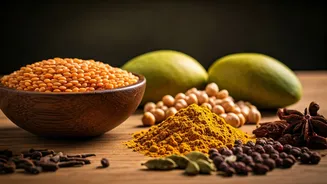
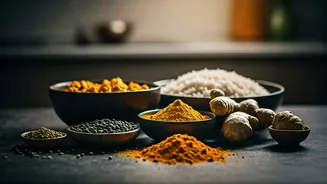
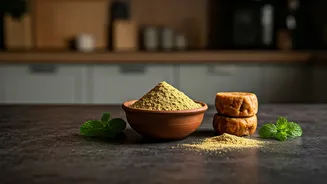
You’ve seen it in wellness shots and trendy “golden milk” lattes, but turmeric has been a cornerstone of South Asian cooking for thousands of years. This vibrant yellow spice, a cousin of ginger, contains curcumin, a compound celebrated for its anti-inflammatory
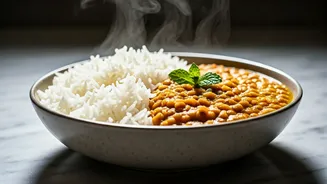
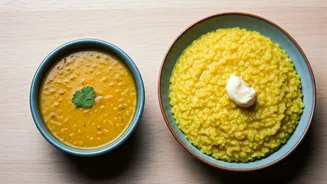
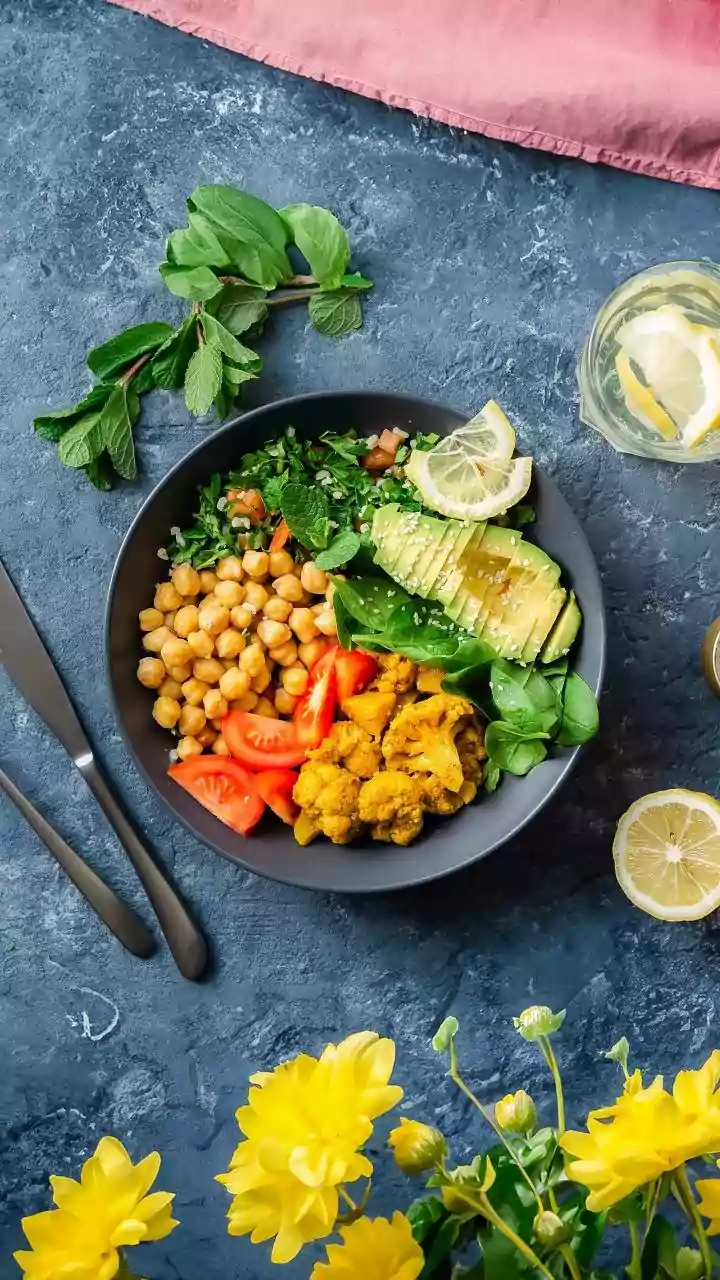
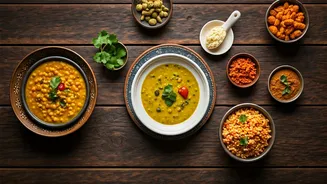
properties. But beyond its health halo, turmeric adds a warm, earthy, and slightly peppery flavor that deepens the taste of everything it touches. Forget shaking a little onto your eggs. Try it in roasted cauliflower, blended into a hearty lentil soup (dal), or mixed with other spices to marinate chicken or fish. It’s a foundational flavor that makes nutrient-dense foods taste complex and satisfying, not like a punishment.
2. Masala: The Ultimate Flavor Shortcut
The word “masala” simply means a mix of spices, and it’s the secret weapon for avoiding a one-note meal. Pre-made blends like garam masala (a warming mix typically including cinnamon, cardamom, cloves, and cumin) or chaat masala (a tangy, funky blend with dried mango powder and black salt) offer incredible complexity in a single spoonful. Instead of reaching for salt and pepper, a sprinkle of a well-balanced masala can elevate roasted vegetables, grilled meats, or even a simple bowl of yogurt. It’s a low-calorie, low-sodium way to add a dozen layers of flavor, turning a boring Tuesday night dinner into something exciting without any extra effort.
3. Lentils Finally Get Their Glow-Up
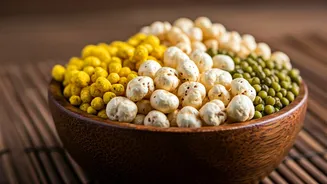
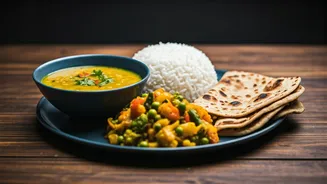
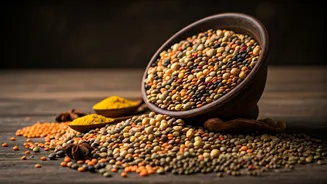
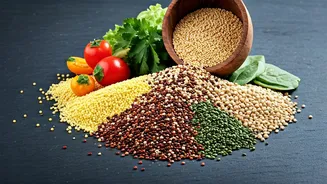
For many Americans, lentils conjure images of a sludgy, brown soup from a health food store in the ‘70s. But in Desi cuisine, lentils (dal) are the backbone of vibrant, protein-packed, and deeply comforting meals. They come in dozens of varieties—red, yellow, black, green—each with its own texture and cooking time. A simple tadka, or tempering, where spices like cumin seeds, mustard seeds, and garlic are bloomed in hot oil or ghee and poured over the cooked lentils, transforms the humble legume into a showstopper. High in fiber and plant-based protein, dal is the satisfying, budget-friendly meal that proves “healthy” can also mean “hearty and delicious.”
4. Yogurt's Cooling Counterpoint
Spicy food isn't just about heat; it's about balance. And in Desi cooking, yogurt is the ultimate balancer. A simple raita—yogurt mixed with grated cucumber, mint, and a pinch of cumin—is more than just a side dish. It’s a cooling agent that soothes the palate, aids digestion with its probiotics, and adds a creamy texture that complements the robust spices. Think of it as a smarter, healthier swap for fatty sour cream or mayonnaise-based dips. Similarly, a savory or sweet lassi (a yogurt-based drink) is a perfect way to round out a meal, providing protein and gut-friendly bacteria while taming any residual heat.
5. A New Approach to Vegetables
If you’re stuck in a rut of roasting or steaming your greens, South Asian cooking techniques offer a world of possibilities. The concept of “sabzi” refers to a huge variety of vegetable dishes, often cooked quickly with a potent blend of spices. Okra, eggplant, spinach, and potatoes are transformed with ginger, garlic, onions, and tomatoes. The aforementioned “tadka” technique is a game-changer: blooming spices in hot fat for 30 seconds before tossing with vegetables infuses them with flavor instantly. It’s a method that makes any vegetable, from green beans to butternut squash, taste intentional and exciting, encouraging you to eat a wider, more colorful variety.