





From Bodybuilding to Real-World Strength
So, what exactly is functional fitness? Unlike traditional bodybuilding, which isolates specific muscles (like bicep curls), functional fitness trains muscles to work together to perform everyday activities more easily and safely. Think lifting a heavy
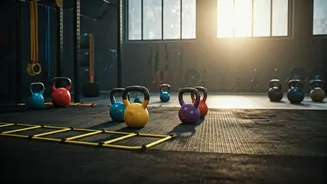
suitcase into an overhead bin, carrying groceries, or playing with your kids. Workouts are built around foundational human movements: squatting, lifting, pushing, and pulling. In practice, this looks a lot like CrossFit, HIIT (High-Intensity Interval Training), and other dynamic group classes that combine weightlifting, gymnastics, and cardio. It’s less about aesthetics and more about building practical, durable strength for a modern life—a concept that has found fertile ground in India.
The Perfect Storm for a New Trend
The rise of functional fitness isn't an accident; it’s the result of powerful social and economic shifts. As India’s economy has grown, so has its urban middle class, many of whom work long hours in sedentary office jobs. This has created a new demand for effective, time-efficient workouts that combat the negative effects of a desk-bound lifestyle. Simultaneously, social media has played a huge role. Platforms like Instagram have exposed millions of young Indians to global fitness trends, making the gritty, athletic aesthetic of functional fitness highly aspirational. It represents a modern, globalized identity, a stark contrast to both the spiritual quietude of yoga and the old-school, male-dominated bodybuilding gyms, or 'akharas,' of the past.
Community, Not Just Crunches
A key ingredient to its success in India is the powerful sense of community. Walk into a functional fitness 'box' (as CrossFit-style gyms are called) in Mumbai, Bengaluru, or Delhi, and you’ll find something very different from a typical commercial gym. Instead of isolated individuals with headphones, you see groups of people of all ages and genders sweating, cheering, and struggling through the same workout together. This communal aspect—the shared challenge and mutual encouragement—fosters a tribe-like loyalty that individual workouts can’t match. It’s an antidote to the urban anonymity that can define big-city life, offering not just a fitness regimen but a built-in social circle.
The 'Indian-ization' of a Global Movement
While the trend draws heavily from global brands like CrossFit, it has been turbocharged by local innovation. Indian startups like Cult.fit (now part of Cure.fit) have scaled the boutique fitness model to an unprecedented degree. They've created an ecosystem of tech-enabled gyms offering a variety of classes, from functional training to yoga and boxing, all accessible through a single app. This approach has made high-quality, structured fitness accessible and affordable for a generation of young professionals. These companies understand the local market, blending global formats with Indian sensibilities and creating a uniquely Indian wellness experience that is both modern and rooted in a desire for tangible results.