


The Frosting-Dipped Comeback
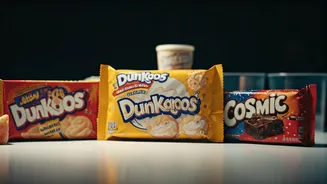
If you need a single, shining example of this phenomenon, look no further than Dunkaroos. For years, the beloved 90s lunchbox staple—a pack of kangaroo-shaped cookies with a side of funfetti frosting for dipping—was a ghost, a relic spoken of with misty-eyed
reverence by millennials. Then, in 2020, General Mills resurrected the snack, spurred on by years of social media pleas. The re-launch wasn't just a quiet return to grocery shelves; it was a full-blown digital event. Unboxing videos flooded TikTok. Instagram was awash in the iconic teal and purple packaging. It was a masterclass in modern marketing: the product wasn't just the cookies and frosting, but the collective, shareable thrill of reclaiming a piece of childhood. The taste was secondary to the feeling, and that feeling was perfect content.
The Psychology of a Sugar Rush
This trend isn't just about good marketing; it's tapping into a powerful psychological need. In times of social and economic uncertainty, nostalgia offers a potent form of comfort. These snacks are time machines. A single bite of a Fruit Roll-Up or a chewy, fudge-covered Cosmic Brownie doesn't just deliver sugar; it delivers a feeling. It's a sensory shortcut to a perceived simpler time—after-school cartoons, recess, the biggest worry being whether you’d trade your Gushers for a friend's potato chips. Experts call this 'culinary nostalgia,' the use of food to evoke positive memories and emotions. On social media, this personal comfort becomes a communal experience. Sharing a photo of a snack you loved as a kid is a way of saying, 'Remember this? We were all part of the same club.' It's a low-stakes way to connect over a shared past, creating a sense of belonging in a fragmented digital world.
Perfectly Designed for the Feed
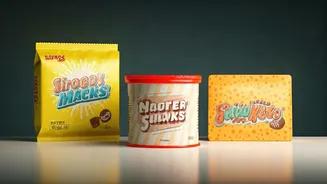
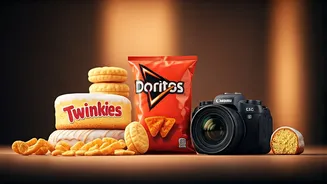
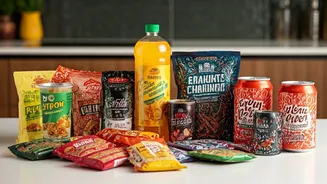
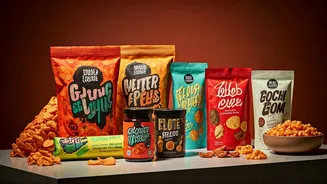
It’s no accident that certain snacks thrive in this environment while others fade. The breakout stars of the nostalgia boom are almost perfectly engineered for the visual demands of TikTok and Instagram. Think about it: Dunkaroos have the satisfying, ASMR-friendly 'dip and scrape.' Little Debbie's Cosmic Brownies are graphically striking with their glossy fudge top and rainbow-colored candy-coated chips. Gushers and Fruit by the Foot offer vibrant, almost lurid colors and unique textures that pop on a phone screen. They are photogenic by design. This visual appeal makes them ideal props for short-form video. You can unbox them, taste-test them, rank them, or simply use them as an aesthetic backdrop. They require no complex narrative; the snack itself is the story, instantly recognizable and loaded with meaning for a huge demographic. In the endless scroll, a familiar, brightly colored snack is a guaranteed way to stop a thumb.
Brands Are Listening (and Cashing In)
What began as a grassroots, user-generated trend has now become a core part of the corporate playbook. Brands aren’t just passively enjoying the free publicity; they are actively fueling the fire. General Mills didn't just bring back Dunkaroos; they've since launched Dunkaroos cereal, yogurt, and other brand extensions. After seeing Cosmic Brownies trend organically on TikTok, Little Debbie's parent company, McKee Foods, leaned in, engaging with creators and ensuring their products were front and center. This creates a powerful feedback loop: online chatter identifies a dormant product with nostalgic equity, the brand resurrects or promotes it, and consumers then create more content, further amplifying the message. It's a far more authentic—and cost-effective—marketing strategy than trying to invent a new sensation from scratch. They're not selling a new product; they're selling a pre-approved memory.