



What Is This 'Crooked' Alignment?
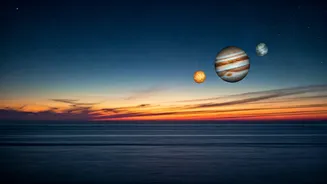
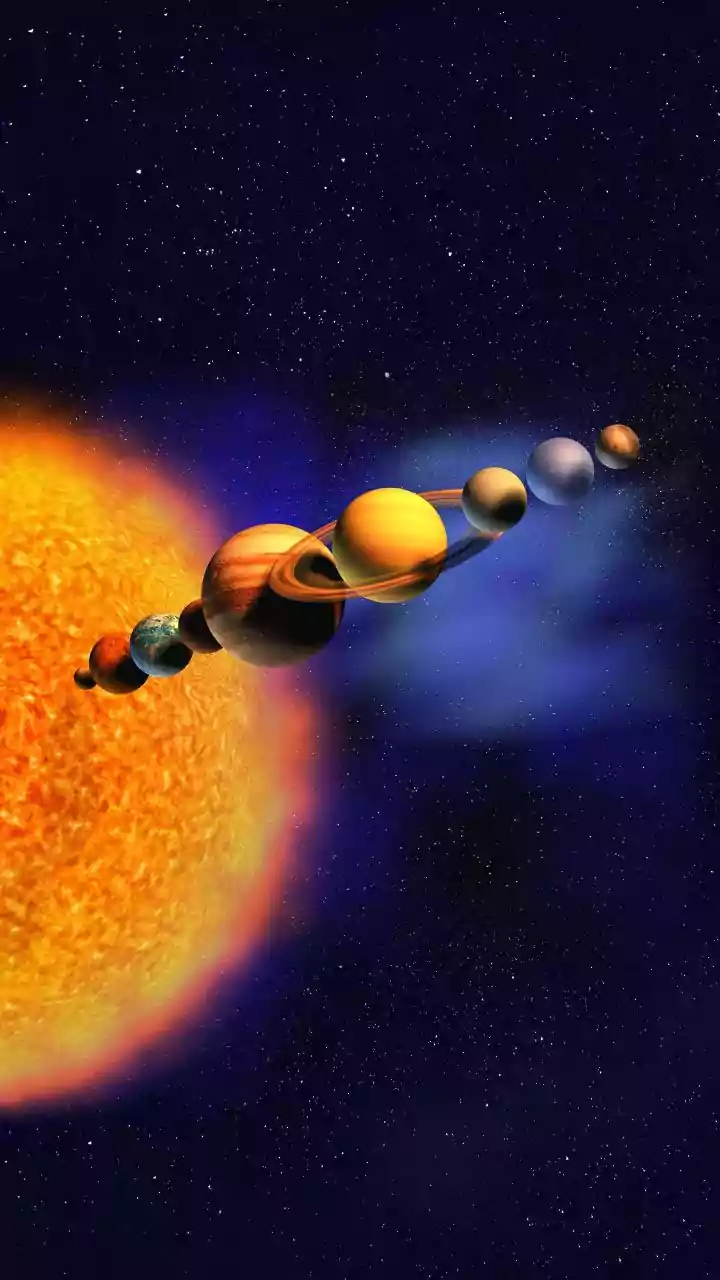
When we talk about a planetary alignment, we don't mean the planets are forming a perfectly straight line in space—that's an incredibly rare event. Instead, it means that from our perspective here on Earth, several planets appear close together in a small
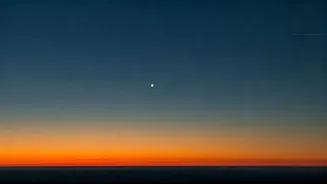
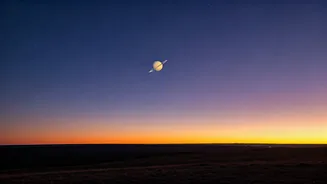
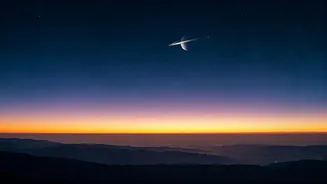
section of the sky. Tonight's event is a 'crooked' or 'uneven' alignment, likely featuring the trio of Jupiter, Mars, and Saturn. They won't form a neat row but rather a distinct triangle or a staggered line. This happens as Earth, in its own orbit, 'laps' or is lapped by other planets, causing their apparent positions in our sky to shift. This particular grouping is notable because it involves three bright, naked-eye planets, making it an easy and rewarding sight for amateur stargazers.
When and Where to Look for the Show
The best time to catch this celestial gathering is in the pre-dawn hours. Plan to be outside about 60 to 90 minutes before your local sunrise. This is the sweet spot when the sky is dark enough for the planets to shine brightly, but the sun hasn’t yet begun to wash them out. You'll want to find a location with a clear, unobstructed view of the eastern horizon, as that's where the planets will be rising ahead of the sun. Think open fields, hilltops, or even an east-facing window in a tall building. City dwellers should try to get away from the worst of the light pollution, but these planets are bright enough that they can often cut through a surprising amount of urban glow. Give your eyes at least 15 minutes to adjust to the darkness for the best experience.
Identifying the Planets: A Quick Field Guide
You won't have trouble telling these planets apart from the stars. The key difference is that stars twinkle, while planets shine with a steady, unwavering light. The brightest of the trio will be Jupiter, shining with a brilliant, silvery-white light that will make it impossible to miss. It will likely be the most prominent 'star' in that section of the sky. Look nearby for Mars, which you can identify by its distinct reddish or orange hue. It won’t be as bright as Jupiter, but its color gives it away. The third member, Saturn, will appear as a steady, pale golden point of light. It's typically the faintest of the three, but still easily visible to the naked eye. Seeing their different colors and brightness levels clustered together is part of the magic of the alignment.
Do You Need a Telescope?
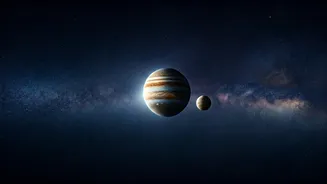
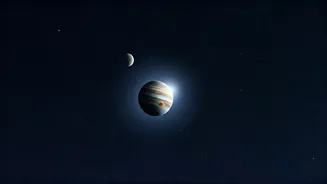
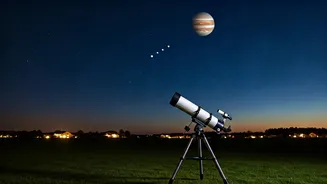
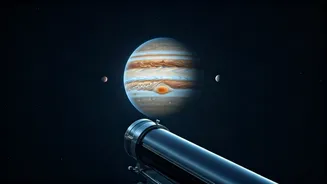
Absolutely not. This alignment is a fantastic naked-eye event, accessible to everyone without any special equipment. The entire point is to appreciate the grand scale of the planets' positions as seen from Earth. However, if you have a pair of binoculars, you’ll get an even better view. Binoculars will make the colors of Mars and Saturn more pronounced. More excitingly, they might even allow you to spot Jupiter’s four largest moons—Io, Europa, Ganymede, and Callisto—appearing as tiny pinpricks of light in a neat line on either side of the planet. A small telescope would, of course, enhance the view further, potentially revealing Saturn’s famous rings as a tiny oval shape, but it's by no means necessary to enjoy the main spectacle of the three planets hanging together in the morning sky.