





First, What Even Is Fibermaxxing?
At its core, 'fibermaxxing' is an internet-coined term for intentionally maximizing your daily fiber intake. The term itself is a portmanteau of 'fiber' and 'maxxing,' a suffix popular in online communities (think looksmaxxing or self-maxxing) that implies
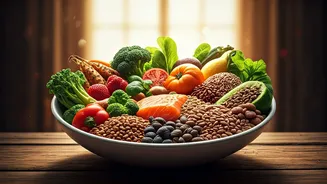
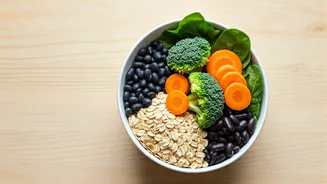
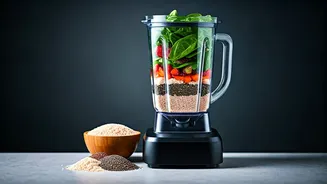
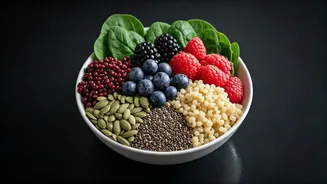
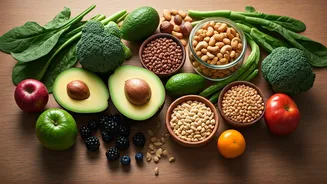
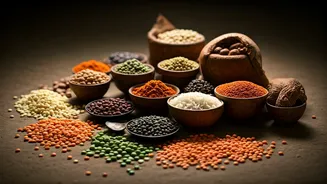
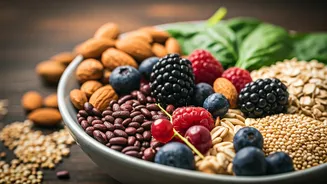
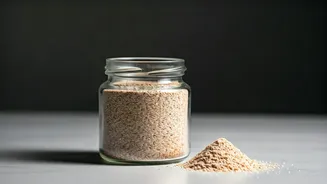
optimizing something to its absolute limit. On social media, this translates into a visual feast: influencers and wellness enthusiasts showcase aesthetically pleasing, fiber-packed meals. Think oatmeal bowls overflowing with berries, flaxseeds, and chia seeds; vibrant green smoothies thickened with psyllium husk; or mason jars layered with yogurt and high-fiber granola. It’s more than just eating your vegetables; it’s a conscious, often meticulously tracked, effort to consume well over the standard recommended daily amount of dietary fiber, with proponents claiming it leads to better digestion, reduced bloating, clearer skin, and overall improved well-being.
Why Is This Happening Now?
Fibermaxxing isn't just a random fad; it's the perfect storm of several modern wellness currents. First, there's the explosion of interest in 'gut health.' For years, a healthy gut has been linked to everything from a stronger immune system to improved mental health, turning our microbiomes into a major focus of self-care. Fiber is the star player in this narrative because it feeds the good bacteria in our gut. Second, the trend is a direct response to the persistent problem of bloating, a common complaint often discussed online. Influencers position high-fiber diets as the ultimate 'de-bloating' hack. Finally, and crucially for its spread on Instagram, fibermaxxing is photogenic. The colorful, textured bowls and jars fit perfectly into the curated, aspirational aesthetic of a 'that girl' lifestyle—someone who is healthy, organized, and in control. It’s wellness you can see, document, and share.
The Dietitian’s View on Fiber
From a nutritional standpoint, the enthusiasm for fiber isn't misplaced. Most Americans don’t get enough of it. The FDA recommends about 28 grams per day for adults, but the average intake is closer to 15 grams. Registered dietitians are quick to point out that fiber is a powerhouse nutrient. There are two main types: soluble fiber (found in oats, nuts, and beans), which dissolves in water to form a gel-like substance that can help lower cholesterol and stabilize blood sugar, and insoluble fiber (found in whole grains and vegetables), which adds bulk to stool and promotes regularity. A diet genuinely rich in fiber is associated with a lower risk of heart disease, type 2 diabetes, and certain types of cancer. So, in principle, the goal of increasing fiber intake is a very healthy one. The problem isn’t the 'fiber' part of fibermaxxing; it's the 'maxxing.'
The Catch: Too Much of a Good Thing
This is the 'real reason' you need to understand before you dump a cup of chia seeds into your smoothie. Your digestive system needs time to adapt to a major increase in fiber. Going from 15 grams a day to 50 grams overnight is a recipe for discomfort. The most common side effects are exactly what people are often trying to avoid: significant gas, painful bloating, cramping, and either constipation (if you don't increase your water intake accordingly) or diarrhea. Extremely high fiber intake can also interfere with your body's ability to absorb essential minerals like calcium, iron, and zinc. This is why health professionals advocate for a slow and steady approach. Instead of 'maxxing,' they recommend gradually adding a few grams of fiber to your diet every few days and, crucially, drinking plenty of water to help the fiber do its job properly. The trend might be about radical, visible change, but the science supports a more moderate, sustainable path.