




The Irresistible Call of the Fryer
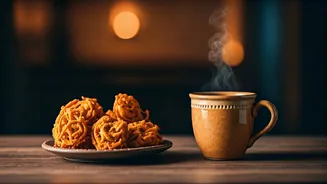
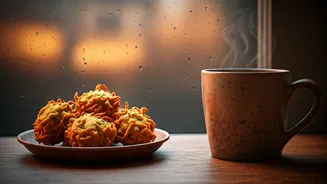
There’s a near-universal law of comfort: when the weather gets cold and damp, we crave something hot and crisp. During the monsoon season across South Asia, this law is answered with the glorious sizzle of oil. The undisputed kings of rainy-day snacking
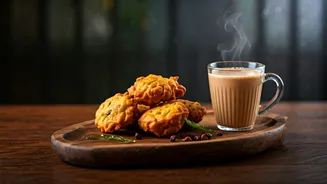
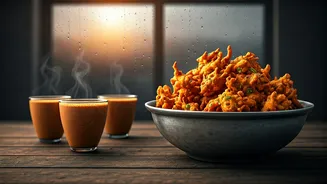
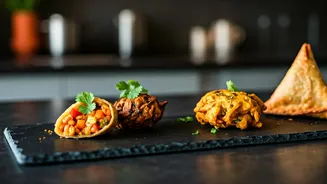
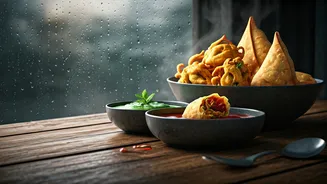
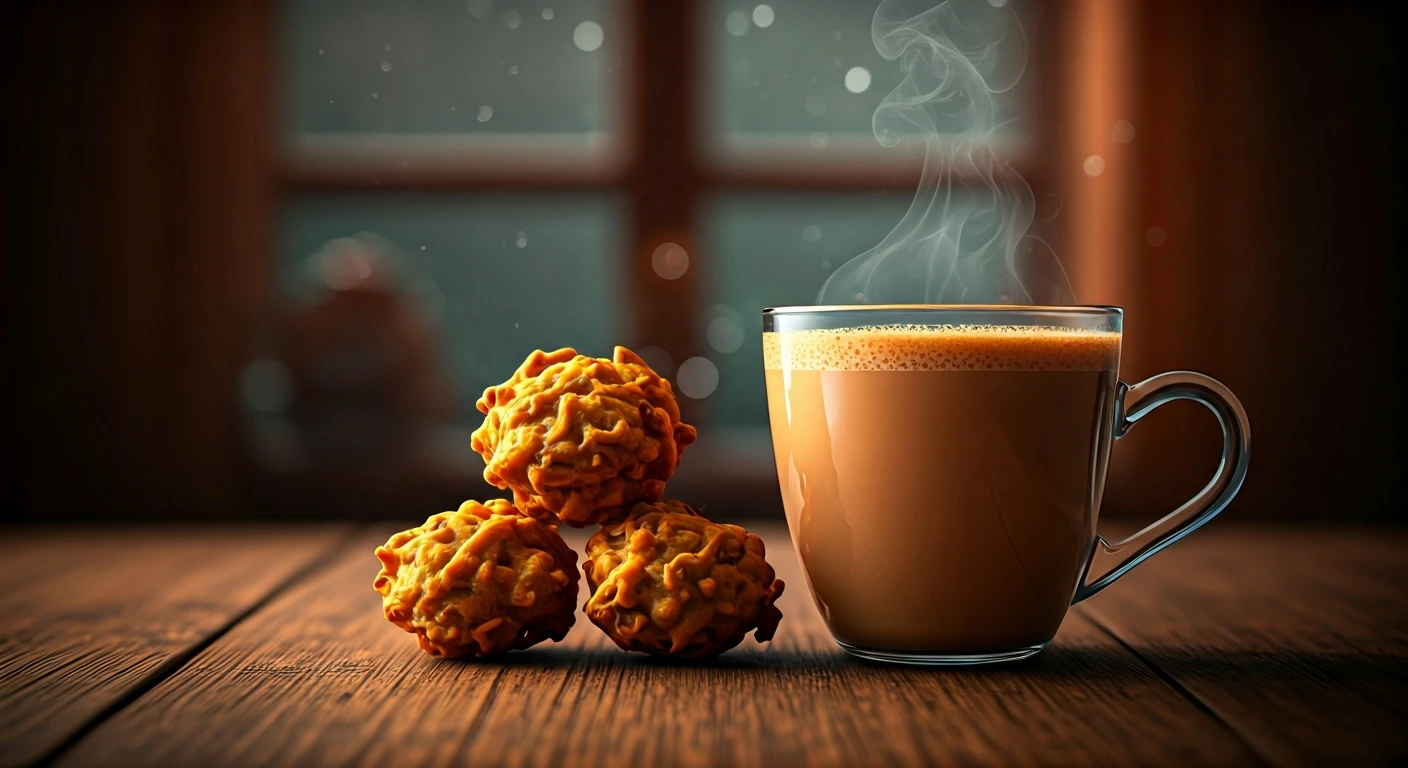
are pakoras—vegetables like onions, potatoes, or spinach dipped in a spiced chickpea flour batter and deep-fried to golden perfection. Served steaming hot with a side of tangy tamarind chutney or a fresh mint-coriander sauce, they are more than a snack; they’re an event. Families gather around a platter of these fritters, their crunch a perfect contrast to the soft patter of rain outside. Similarly, the samosa—a triangular pastry filled with spiced potatoes and peas—sheds its identity as a mere appetizer and becomes a centerpiece of the monsoon experience. The ritual of breaking open a hot samosa, steam billowing out, is a core memory for many, instantly transporting them back to a childhood kitchen.
A Steaming Cup of Comfort
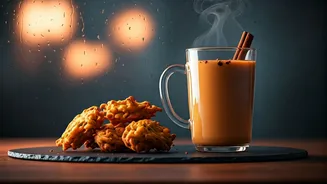
No monsoon food memory is complete without a cup of chai. But this isn’t just any tea. It’s masala chai, a potent brew of black tea, milk, sugar, and a warming blend of spices like cardamom, ginger, cloves, and cinnamon. On a rainy afternoon, the process of making chai is a ritual in itself. The slow simmering of spices fills the house with an aromatic fog, a comforting counterpoint to the gray skies. It’s the official beverage of conversation, a warm mug held in cupped hands while watching the rain fall. Paired with pakoras or a simple buttered toast, chai is the liquid hug that anchors the entire monsoon culinary tradition. For many in the U.S., recreating that perfect cup of “adrak wali chai” (ginger tea) is a direct line back home, a taste of family and togetherness, no matter how far away they are.
The Scent of Street-Side Corn
Another powerful sensory memory is the smell of bhutta: roasted corn on the cob. This isn't the sweet, boiled corn of American barbecues. This is corn roasted over hot coals by a street vendor, often under a makeshift umbrella. The kernels get slightly charred, smoky, and tender. Once cooked, the vendor rubs it with a mixture of salt, chili powder, and a generous squeeze of lime juice. The combination of smoky, spicy, and sour is electrifying. The experience of eating bhutta while huddled under an awning, trying not to get soaked, is an essential part of the monsoon tapestry. It’s a simple, rustic pleasure that captures the feeling of being outdoors and enjoying the season, rather than hiding from it. Finding a good ear of corn at an American farmers market and charring it on the grill is the closest many can get to recreating that specific, irreplaceable taste of a rainy street corner.
The Modern Classic: Instant Noodles
While pakoras and chai are timeless classics, a more modern but equally potent food memory is a hot bowl of Maggi noodles. For generations of kids growing up in the ‘90s and 2000s, this instant noodle brand became the ultimate rainy-day treat. It was quick, easy for a teenager to make, and endlessly customizable. Some added chopped vegetables, others cracked an egg into the boiling broth, but the signature “masala” flavor packet was non-negotiable. A bowl of soupy, spicy Maggi noodles, eaten while curled up with a book or watching TV as rain lashed against the windows, represents a different kind of comfort—the comfort of simple, satisfying solitude or a quick snack shared with siblings. It’s a testament to how food memories aren’t just about ancient traditions but also about the personal, everyday moments that define a childhood.