





The Stage for the Sky's Fury
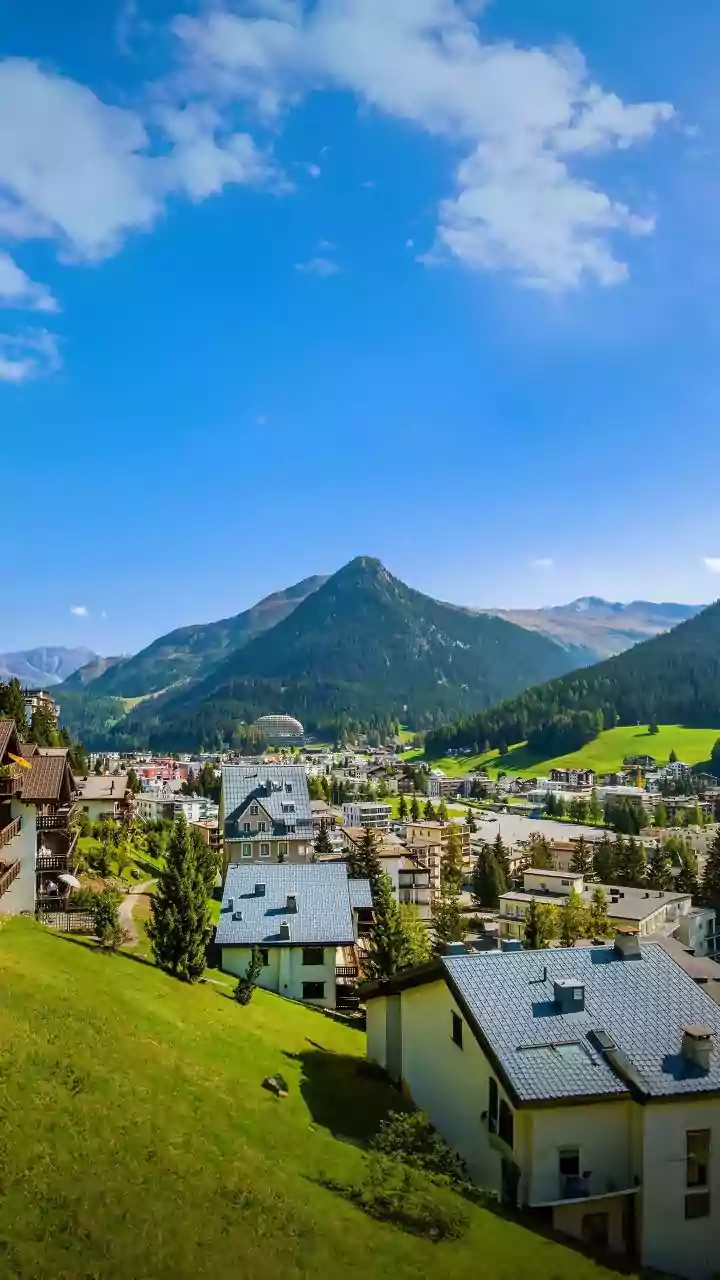
Nestled in the state of Uttarakhand, the Kumaon region is a land of mythic beauty, where terraced fields climb toward the colossal peaks of the Himalayas. While it’s known for serene hill stations like Nainital and Almora, during the weeks leading up
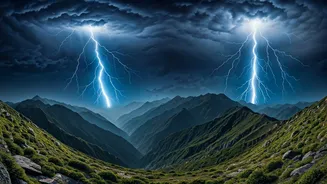
to the summer monsoon, it becomes something else entirely: a natural theater for some of the world’s most spectacular lightning. The unique geography is the key. As hot, moisture-laden air sweeps north from the Indian plains, it collides violently with the cool, dry air descending from the massive mountain barrier. This clash of systems doesn't just create rain; it generates immense electrical energy in the atmosphere, turning the sky into a canvas of explosive light.
A Different Breed of Storm Chaser
Unlike the tornado-chasing crews familiar to American audiences, who roam the flat expanses of the Great Plains in armored vehicles, the photographers who come to Kumaon are playing a different game. Their pursuit is more stationary, a test of patience and positioning. They aren't chasing a moving supercell; they are anticipating a celestial barrage. These are landscape photographers first, storm chasers second. They arrive not with doppler radars, but with tripods, wide-angle lenses, and an intimate knowledge of the terrain. Their goal isn't just to capture a bolt of lightning but to frame it against a temple spire, a jagged ridgeline, or the silhouetted form of Nanda Devi, one of India's highest peaks.
The Science of the Spectacle
The pre-monsoon period, typically from late April to early June, is the prime season. The atmosphere is unstable but not yet saturated with the thick, view-obscuring cloud cover of the full monsoon. This creates a perfect window where the air is clear enough for long-distance photography, allowing for dramatic, wide compositions. The storms that form are often high-based, meaning the lightning can travel farther through open air before hitting the ground, resulting in intricate, branching patterns known as 'spider lightning' that crawl across the sky. The high altitude and relatively low pollution levels contribute to the clarity and intensity of the light, producing bolts that appear exceptionally bright and vivid against the deep indigo of the mountain twilight.
The Shot, the Risk, the Reward
Capturing the perfect image is an art of calculated risk and immense patience. Photographers scout locations for days, looking for a vantage point that is both safe and aesthetically powerful—often a hotel balcony or a high overlook with an unobstructed view. When the storm rolls in, the work begins. Using a long exposure, they open the camera’s shutter for seconds at a time, hoping to catch a fleeting burst of light in the frame. It’s a game of chance. They might shoot for hours and get nothing, or a single frame might contain multiple, perfectly formed strikes. The danger is ever-present. A strike too close is a real threat in this high-altitude environment. But the reward is a photograph that transcends simple documentation. It’s a portrait of the earth’s raw power, a moment of chaos frozen into a single, breathtaking image.