

The Manali You Pictured vs. The Reality
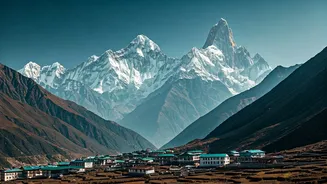
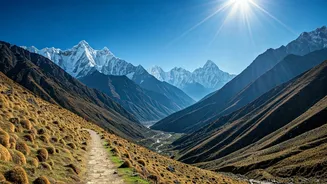
For decades, Manali has been the poster child of the Indian Himalayas. It’s the starting point for epic road trips to Ladakh, a haven for backpackers, and a beloved escape for city dwellers. The name itself conjures images of snow-capped peaks, whispering
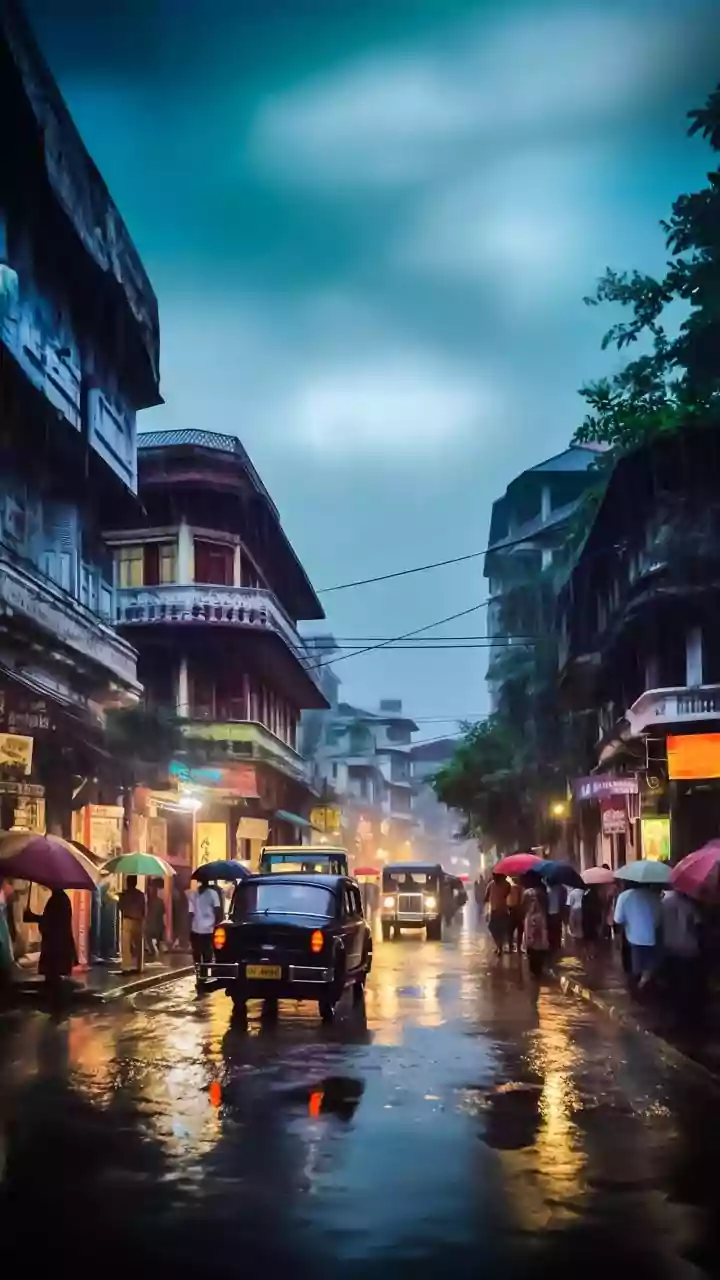
pine forests, and the rushing Beas River. But its immense popularity has come at a cost. The ‘Manali overflow’ is a real phenomenon: roads leading into town are often gridlocked, the famous Mall Road can feel more like a crowded city market than a mountain retreat, and the constant hum of commerce can drown out the very peace travelers came to find. While the stunning natural backdrop remains, the foreground is increasingly filled with noise, crowds, and a commercial hustle that can feel overwhelming. For many, the serene escape they imagined has been replaced by a bustling, sometimes chaotic tourist hub.
Enter Naggar: The Quieter Cousin
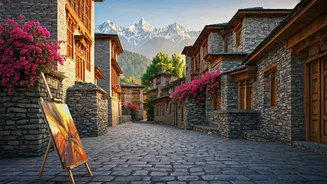
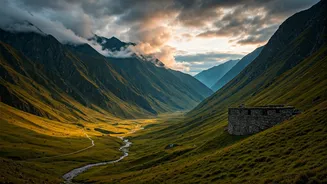
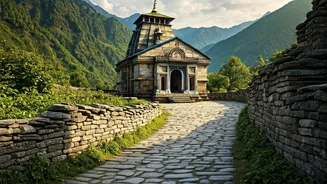
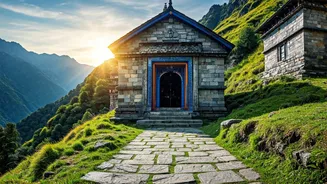
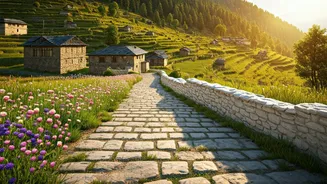
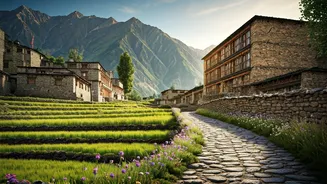
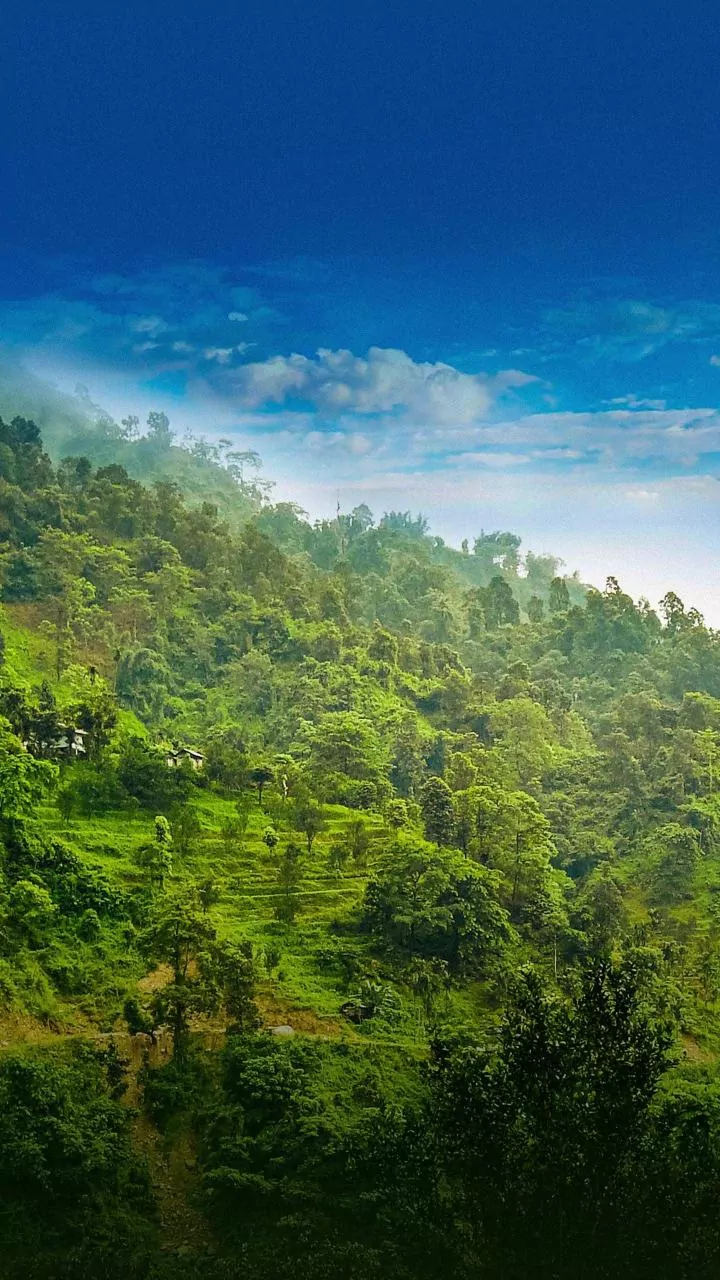
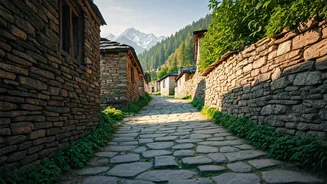
Just 13 miles down the road from Manali, nestled on a hillside overlooking the same gorgeous Kullu Valley, lies Naggar. Once the capital of the Kullu kingdom, Naggar is everything the modern Manali is not: unhurried, steeped in history, and refreshingly devoid of chain hotels and pushy vendors. The drive itself signals the shift; as you wind away from the main highway, the traffic thins, the air seems to clear, and the landscape reclaims its dominance. Instead of a bustling town center, Naggar is a collection of traditional stone-and-wood homes, ancient temples, and quiet lanes that invite aimless wandering. It offers the same jaw-dropping Himalayan views but serves them with a side of blissful silence. It’s not a replacement for Manali, but rather a compelling alternative for a different kind of traveler—one who values atmosphere over amenities and authenticity over action.
A Dose of History and Art
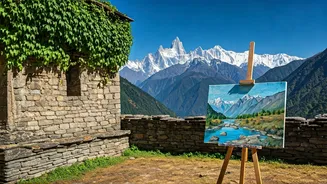
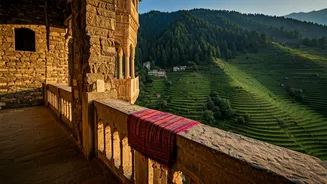
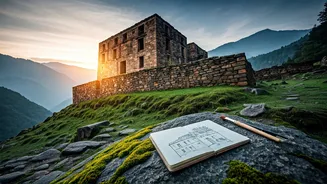
Naggar’s appeal isn’t just its quietness; it has a rich cultural and historical depth that Manali’s main tourist circuit often lacks. The town’s centerpiece is the Naggar Castle, a magnificent 15th-century structure built from stone and wood. Now a heritage hotel, its courtyards and balconies offer panoramic views of the valley. You can wander its historic halls and imagine a time when it was the seat of regional power. Just a short walk away is another cultural gem: the Nicholas Roerich Art Gallery. The famous Russian artist spent the last years of his life here, capturing the ethereal beauty of the Himalayas in his vibrant paintings. His former home is now a museum that preserves his studio and showcases his work, offering a profound connection to the landscape through the eyes of a master. These attractions give Naggar a sense of place and purpose beyond being just another pretty mountain town.
The Vibe: Authentic Himalayan Life
The true magic of Naggar lies in its atmosphere. This is a place where you can witness a more traditional way of life. You'll see locals going about their day, smoke curling from the chimneys of old homes, and the sound of temple bells echoing through the valley. The pace is slower, encouraging you to sit at a small café, sip chai, and simply watch the clouds drift over the peaks. While Manali’s food scene is dominated by cafes catering to tourists, Naggar offers a chance to try authentic Himachali cuisine in family-run eateries. It’s a base for wonderful day hikes to nearby villages like Rumsu or the Jana waterfall, where the trails are far less trodden than those around Manali. This immersion in a quieter, more genuine version of mountain life is the core of Naggar’s appeal and the primary reason it feels like such a smart detour.