






Meet the New Indian Traveler
For decades, the image of an Indian tourist was often a large family on a pilgrimage or a wealthy couple on a packaged tour to Switzerland. That picture is rapidly becoming outdated. The new face of Indian travel is young, digitally native, and often hails
not from the sprawling megacities of Mumbai or Delhi, but from smaller Tier-2 and Tier-3 cities. This is India’s demographic dividend in motion: with more than half its population under 25, a massive cohort of Gen Z and young millennials is entering the workforce with disposable income for the first time. Unlike their parents’ generation, which prioritized saving for tangible assets like gold or property, this group is channeling its money into creating memories. They aren’t waiting for a big annual vacation; they’re seizing long weekends and work-from-anywhere opportunities to explore.
The Engine: Digital Access and a Cultural Shift
So, what flipped the switch? It’s a perfect storm of factors. First, the digital revolution. India has some of the cheapest mobile data rates in the world, meaning near-universal access to the internet. This puts Instagram, YouTube, and a universe of travel blogs at their fingertips, creating a powerful feedback loop of inspiration and aspiration. Seeing a friend post a photo from a Himalayan trek or a Goan beach shack creates a potent sense of FOMO (fear of missing out) that drives travel decisions. Second is the rise of a robust digital payment ecosystem. Systems like UPI (Unified Payments Interface) allow for seamless, cashless transactions from a street food vendor to a hostel owner, making it easier and safer for young people to travel independently. Finally, there's a profound cultural shift. An increasing number of young Indians value personal growth, independence, and stories to tell. Travel is no longer just a leisure activity; it’s a form of self-expression and a rite of passage.
The 'Affordable' Toolkit
This boom isn’t built on luxury; it’s built on accessibility. The word “affordable” is key. Young Indians have become masters of frugal travel, leveraging a burgeoning ecosystem designed for them. The domestic aviation market is fiercely competitive, with low-cost carriers like IndiGo and Akasa Air offering flights for the price of a train ticket. This has opened up the entire country, making a weekend trip from Bengaluru to Kolkata a real possibility. On the ground, the hotel landscape has been disrupted by a massive expansion of hostels and homestays. Chains like Zostel and goSTOPS offer clean, safe, and—most importantly—social accommodations for as little as $8-10 a night. These aren't just cheap beds; they are vibrant hubs where travelers meet, share tips, and plan their next move. Apps like MakeMyTrip, Goibibo, and Agoda allow for obsessive price comparison, ensuring they get the best deal on everything from a bus ticket to a hotel room.
Where Are They Going?
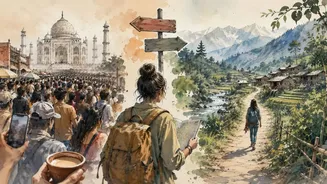
While classic destinations like Goa, Rajasthan, and the mountains of Himachal Pradesh remain popular, this new wave of travelers is also pioneering new trails. They are exploring the waterfalls of Meghalaya in the northeast, the serene backwaters of Kerala, and the ancient ruins of Hampi. They are seeking authenticity, venturing into places that aren't yet on the mainstream tourist map. This domestic exploration is just the first step. As their confidence and budgets grow, they are increasingly looking at short-haul international destinations. Countries offering visa-on-arrival or simple e-visa processes are big winners. Vietnam, Thailand, Indonesia, Malaysia, and the UAE have seen a surge in young Indian tourists, drawn by favorable exchange rates, cheap flights, and rich cultural experiences that look great on a social media feed. They're swapping European backpacking tours for Southeast Asian scooter adventures.