





First, What Are Prebiotics?
Before we go further, let's clear up a common point of confusion. Prebiotics are not probiotics. While probiotics are the beneficial live bacteria found in foods like yogurt and kimchi, prebiotics are the food for that bacteria. Think of your gut microbiome
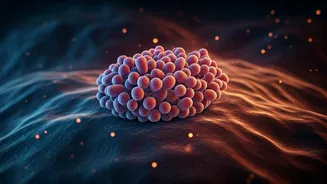
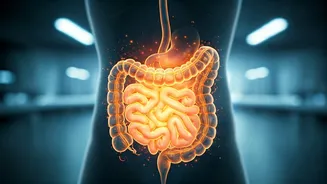
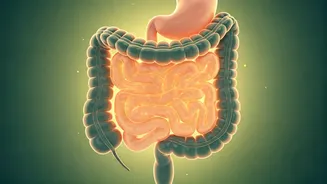
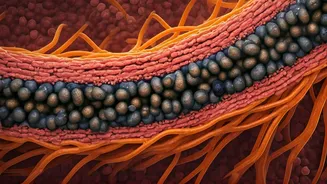
as a garden. Probiotics are the seeds you plant, while prebiotics are the high-quality fertilizer that helps your native good bacteria flourish. Specifically, prebiotics are a type of dietary fiber that your body can't digest. Instead, these fibers travel to your lower digestive tract, where they become a feast for the healthy microorganisms that live there. This simple act of feeding your gut microbes is the foundation of why this dietary approach is so powerful.
The Limits of 'Basic' Weight Loss
Most conventional weight loss diets operate on a simple principle: calories in versus calories out. They often involve strict calorie counting, eliminating entire food groups, or focusing solely on the number on the scale. While these methods can produce short-term results, they often fail in the long run. Why? Because they can be difficult to sustain, lead to feelings of deprivation, and may neglect the complex biological systems that regulate our weight. Constant hunger, nutrient deficiencies, and a slowed metabolism are common side effects of overly restrictive diets. They address the symptom (excess weight) without addressing one of its potential root causes: an imbalanced internal ecosystem.
The Gut-Weight Connection
This is where prebiotics change the game. When your good gut bacteria digest prebiotic fiber, they produce beneficial compounds called short-chain fatty acids (SCFAs), such as butyrate. These SCFAs are metabolic powerhouses. They play a crucial role in signaling to your brain that you're full, which can naturally help control appetite and reduce overeating—no heroic willpower required. Furthermore, SCFAs help strengthen the gut barrier, reduce systemic inflammation (a known contributor to obesity), and even influence how your body stores fat and regulates blood sugar. By nourishing your gut, you're essentially programming your body to work with you, not against you, in your weight management efforts. It's a shift from battling your body to balancing it.
More Than Just Weight Management
The benefits of a prebiotic-loaded diet extend far beyond the scale. A healthy, well-fed microbiome is linked to a host of other positive outcomes. Improved digestion and regularity are the most immediate effects, but the impact is much deeper. A balanced gut is associated with a stronger immune system, as a significant portion of your immune cells reside in your gut. It can also influence your mental health; the gut-brain axis is a well-established connection, and a healthy microbiome can contribute to improved mood and lower stress levels. Unlike a crash diet that might leave you feeling tired and irritable, a focus on prebiotics supports your overall vitality, making healthy choices feel easier and more natural.
Putting Prebiotics on Your Plate
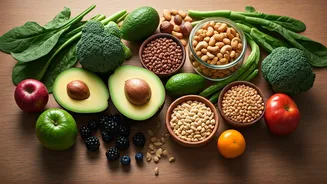
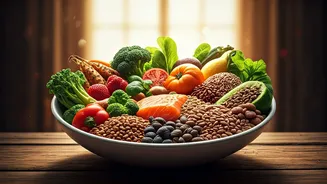
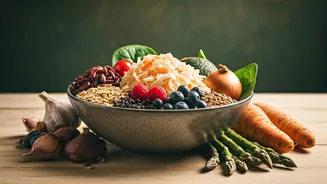
So, how do you get more of this gut-loving goodness? It's simpler than you think, and it doesn't require expensive supplements. The focus is on incorporating a variety of whole, plant-based foods into your diet. Excellent sources of prebiotics include: - **Vegetables:** Garlic, onions, leeks, asparagus, Jerusalem artichokes. - **Fruits:** Slightly under-ripe bananas, apples (with the skin on). - **Grains:** Oats, barley, and other whole grains. - **Legumes:** Chickpeas, lentils, and beans. - **Other Sources:** Chicory root (a common additive in fiber bars and coffee substitutes), flaxseeds, and seaweed. The goal isn't perfection but variety. Aiming to include a few of these foods in your meals each day is a fantastic start to building a more resilient and balanced gut.