


The Fading Allure of the Logo
For decades, luxury was loud. A prominent logo on a belt or a bag was a clear, unambiguous signal of wealth and status. But for a significant portion of Gen Z—the cohort born between 1997 and 2012—that kind of overt branding feels increasingly dated,
if not a little cringey. They’ve grown up in an era of economic precarity, social consciousness, and a digital world where authenticity is the ultimate currency. Flaunting a four-figure price tag on a purse can seem out of touch when your peers are discussing student loan debt and the climate crisis on TikTok. This isn't to say they don't appreciate quality, but the value proposition has shifted. Instead of asking, 'What does this say about how much I can spend?' they’re asking, 'What does this do for me?'
Defining the New Luxury: 'Full Wellness'
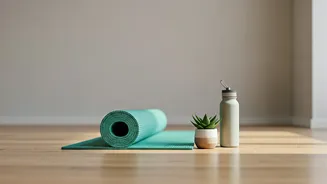
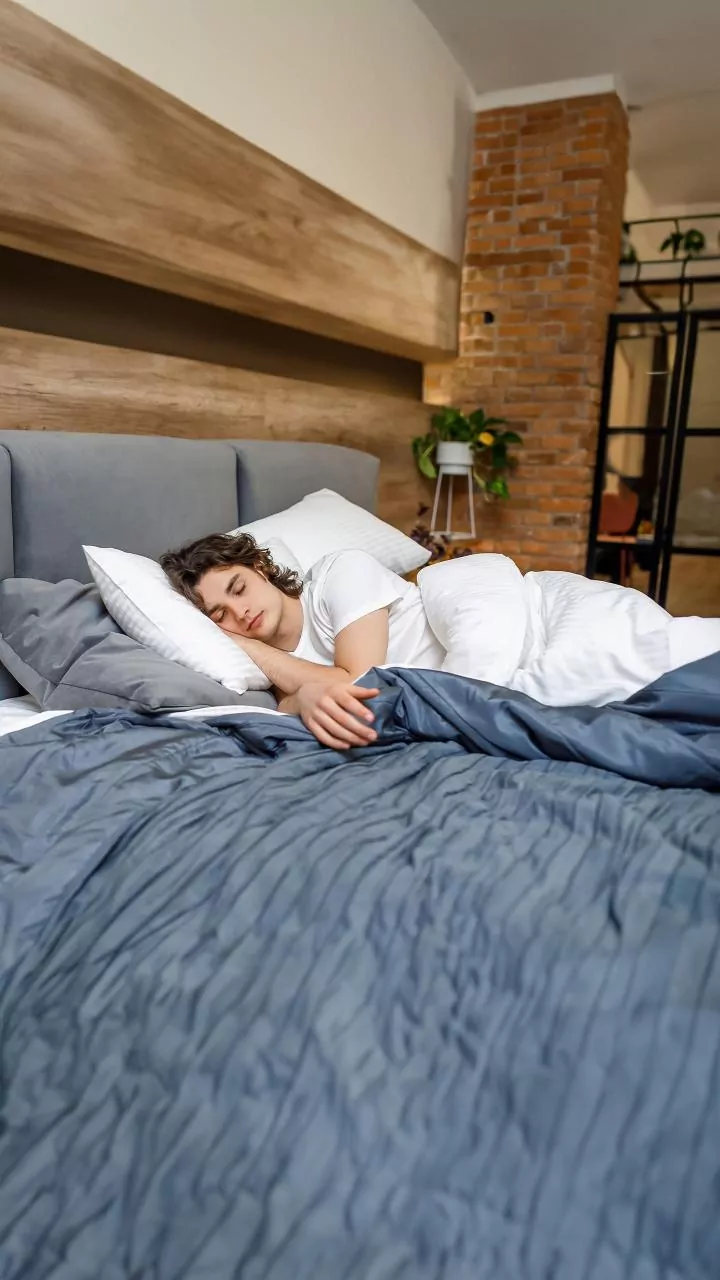
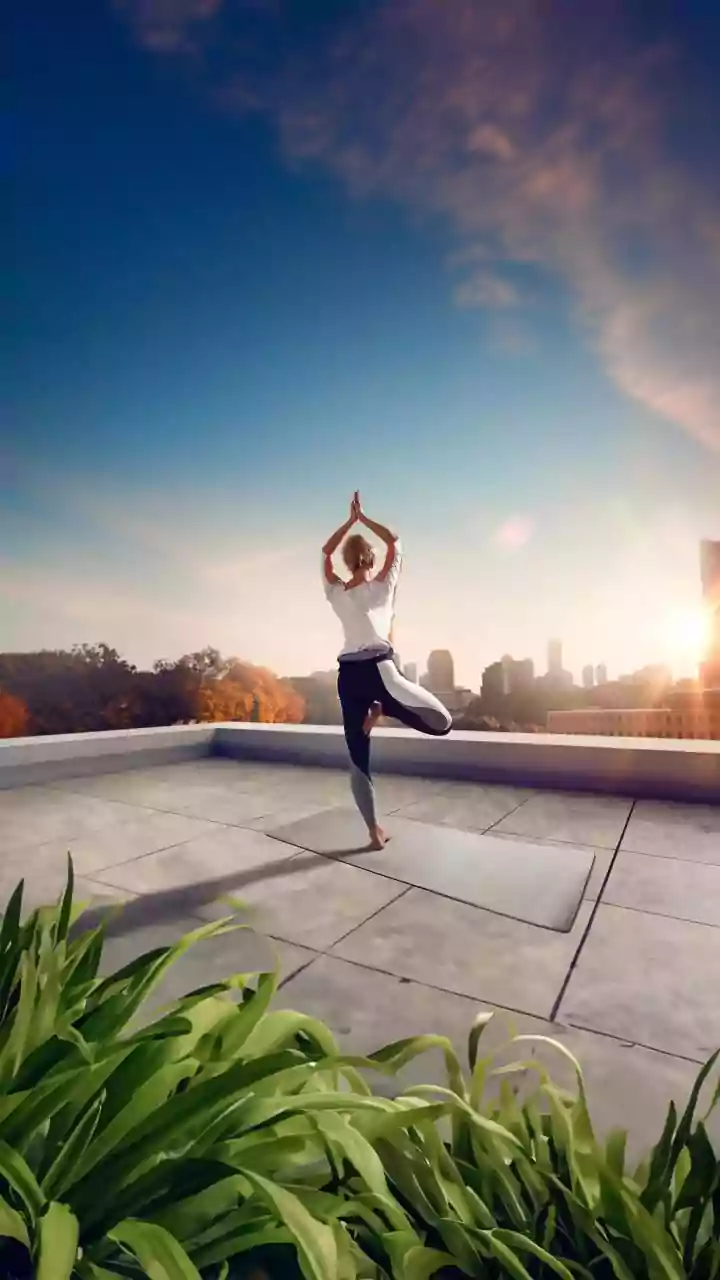
So, what are they buying instead? The answer lies in a sprawling, multi-billion-dollar category best described as 'full wellness.' This isn't just about green juice and yoga mats. It’s a holistic approach to self-optimization that covers mind, body, and even finances. Think less about Chanel and more about a high-end gym membership like Equinox, a subscription to a meditation app like Calm, or sessions with a therapist, which are now openly discussed and destigmatized on social media. The new status symbols are things like an Oura Ring tracking your sleep quality, a pantry stocked with carefully selected supplements, or the ability to afford a mental health day. It's luxury turned inward—an investment in the self, rather than a decoration for it.
The Economics of Self-Care
This shift is driven as much by economic reality as by cultural values. Faced with staggering student debt, a volatile job market, and prohibitive housing costs, many Gen Zers view traditional luxury goods as laughably unattainable or simply irresponsible. A $3,000 handbag doesn't help you build a future; in their view, it actively hinders it. Spending on wellness, however, can be rationalized as a long-term investment. Better mental health leads to better performance at work. Better physical health reduces future medical costs. Financial wellness tools promise a path to stability. In a world that feels uncertain and chaotic, spending money to feel more in control of one’s own body and mind feels like a profoundly logical, even necessary, act.
How Social Media Redefined Aspiration
The irony is that this inward turn is being broadcast for all to see. While logo-mania fades, 'wellness-flexing' is thriving online. The aspirational content on TikTok and Instagram is no longer just about private jets and Parisian shopping sprees. It's the 'That Girl' aesthetic: the perfectly curated 5 a.m. morning routine, the aesthetic journaling, the post-workout glow, the serene discussion of therapy breakthroughs. This content creates a new kind of social currency. It positions personal discipline, mental clarity, and physical vitality as the ultimate goals. Brands have taken notice, with wellness products and services now marketed with the same aspirational gloss once reserved for high fashion.
Luxury Isn't Dead, It's Evolving
This doesn't mean Gen Z has completely sworn off indulgence. Instead, their splurges are different. When they do spend on luxury, it’s often on experiences over objects—a wellness retreat, a high-end cooking class, or travel. Or they gravitate toward 'quiet luxury' or 'stealth wealth' items: a perfectly tailored, unbranded coat or a high-quality skincare product that costs a fortune but looks unassuming on the shelf. The value is in the personal experience of quality, not the public broadcast of the brand. The luxury is the feeling of being healthy, rested, and optimized, a state that no designer logo can truly confer. The ultimate flex is no longer what you own, but how well you are.