



The Return of the King
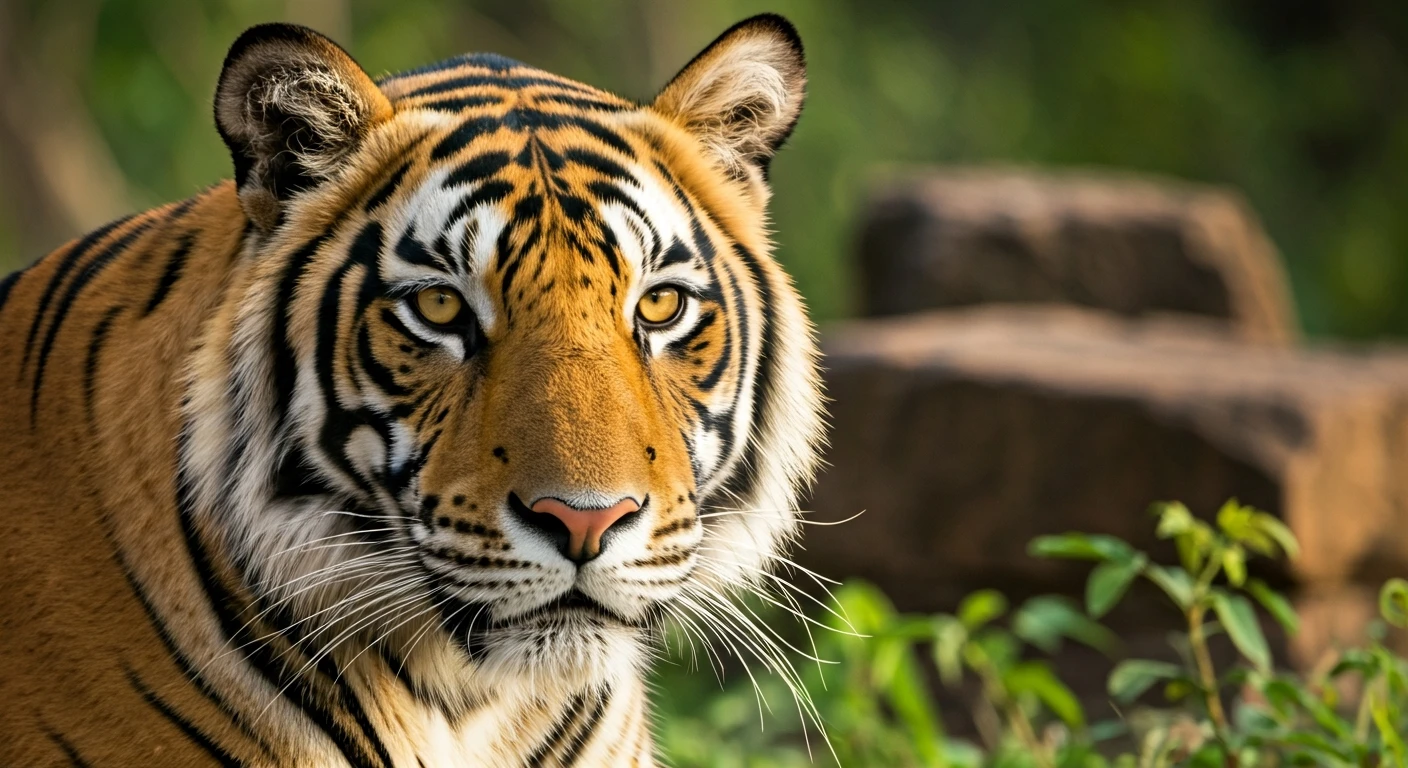
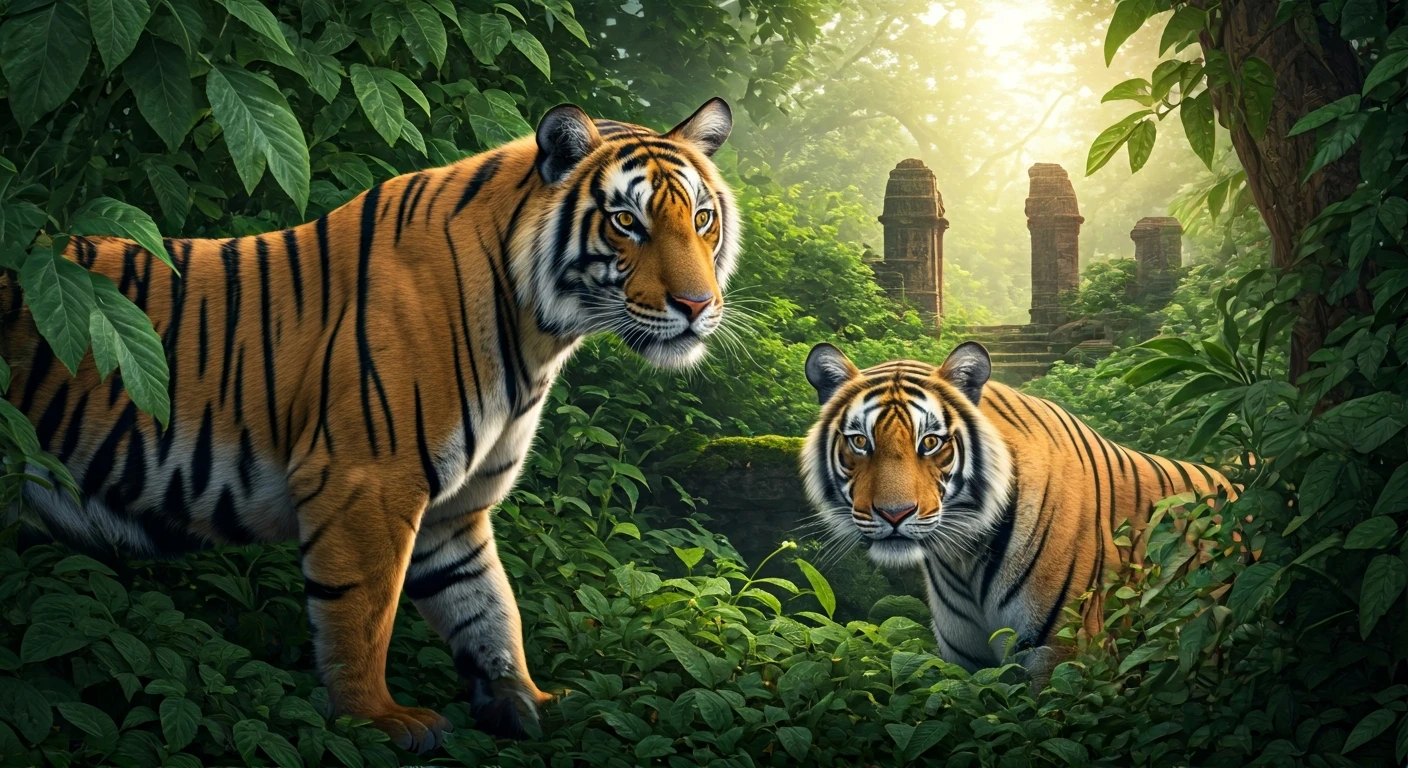
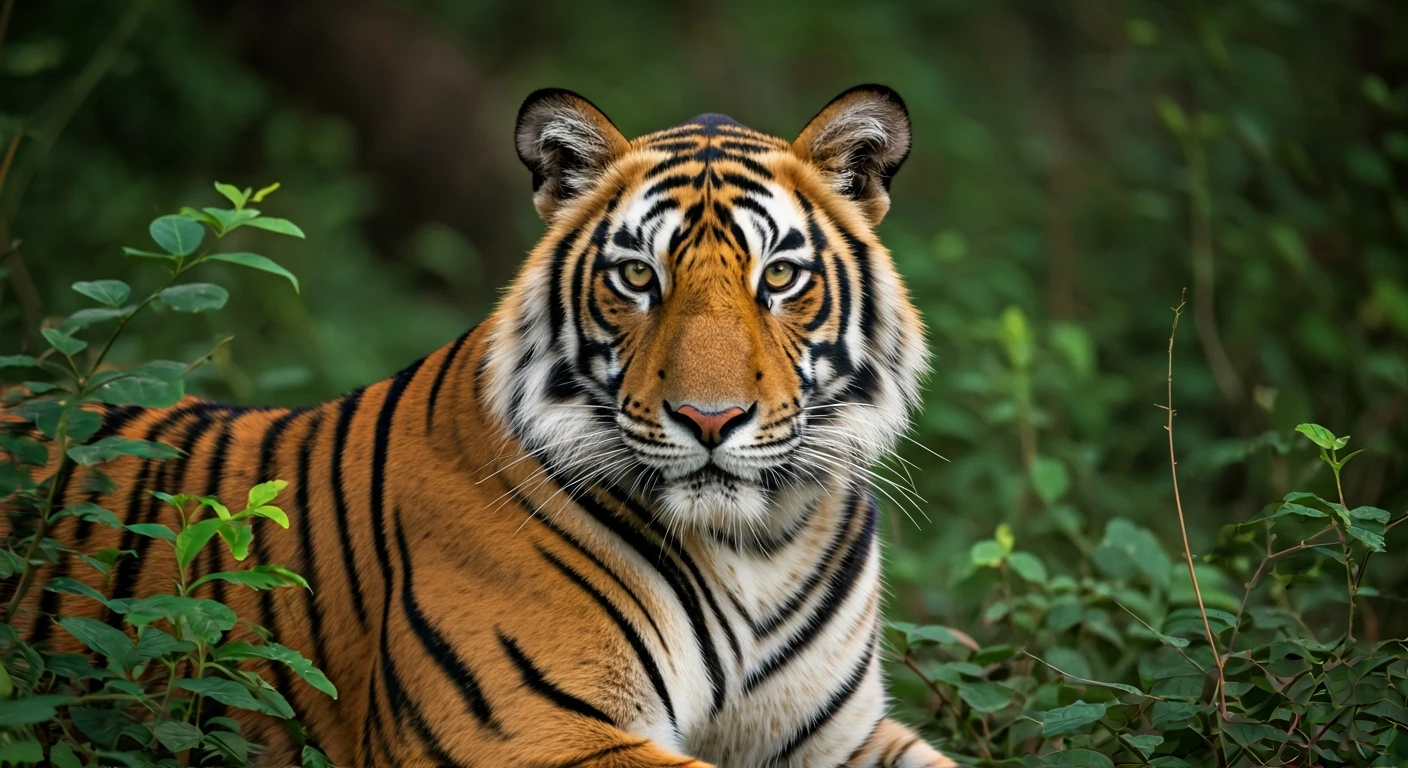
The main event at Ranthambore National Park, a sprawling expanse of forest and arid scrubland in India’s Rajasthan state, is unequivocally the Bengal tiger. For years, the word 'safari' was almost exclusively synonymous with Africa's 'Big Five.' But as conservation
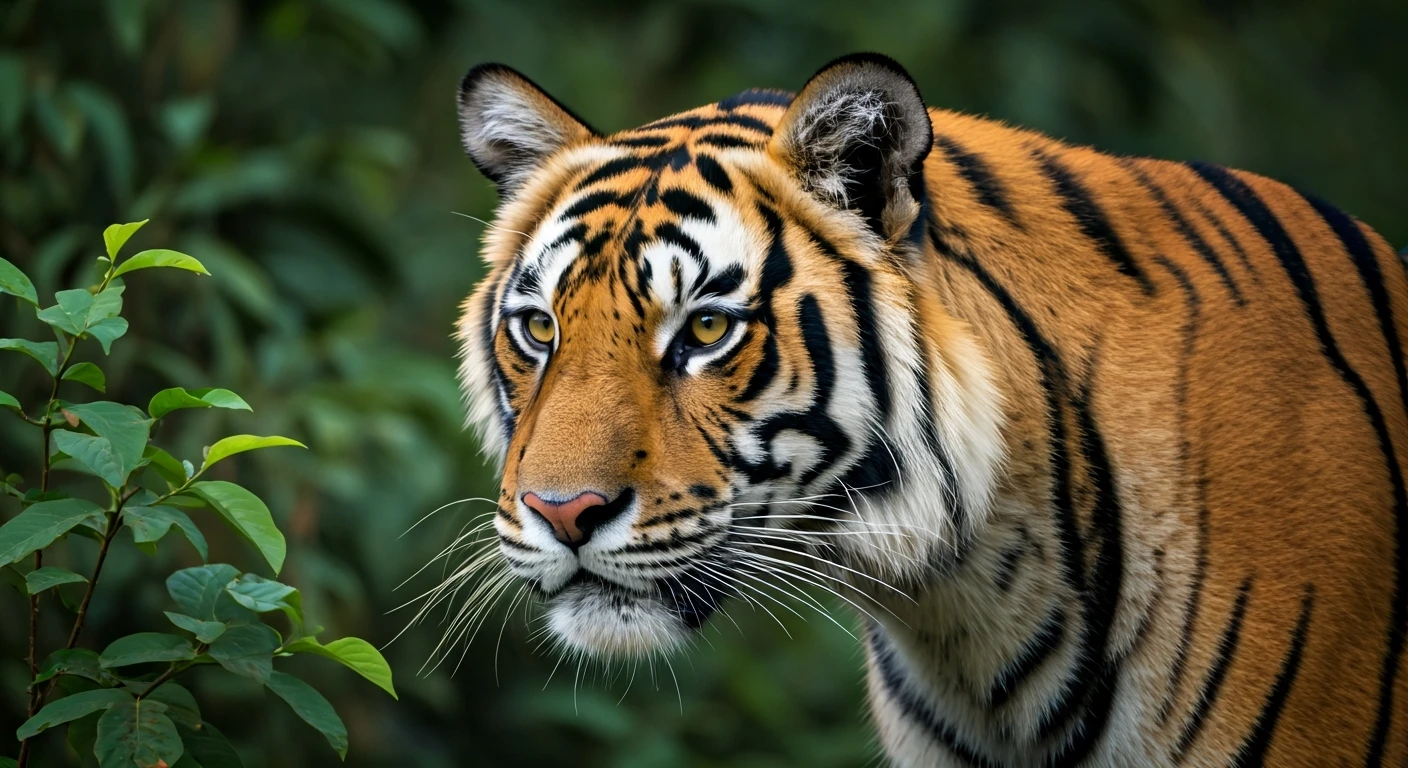
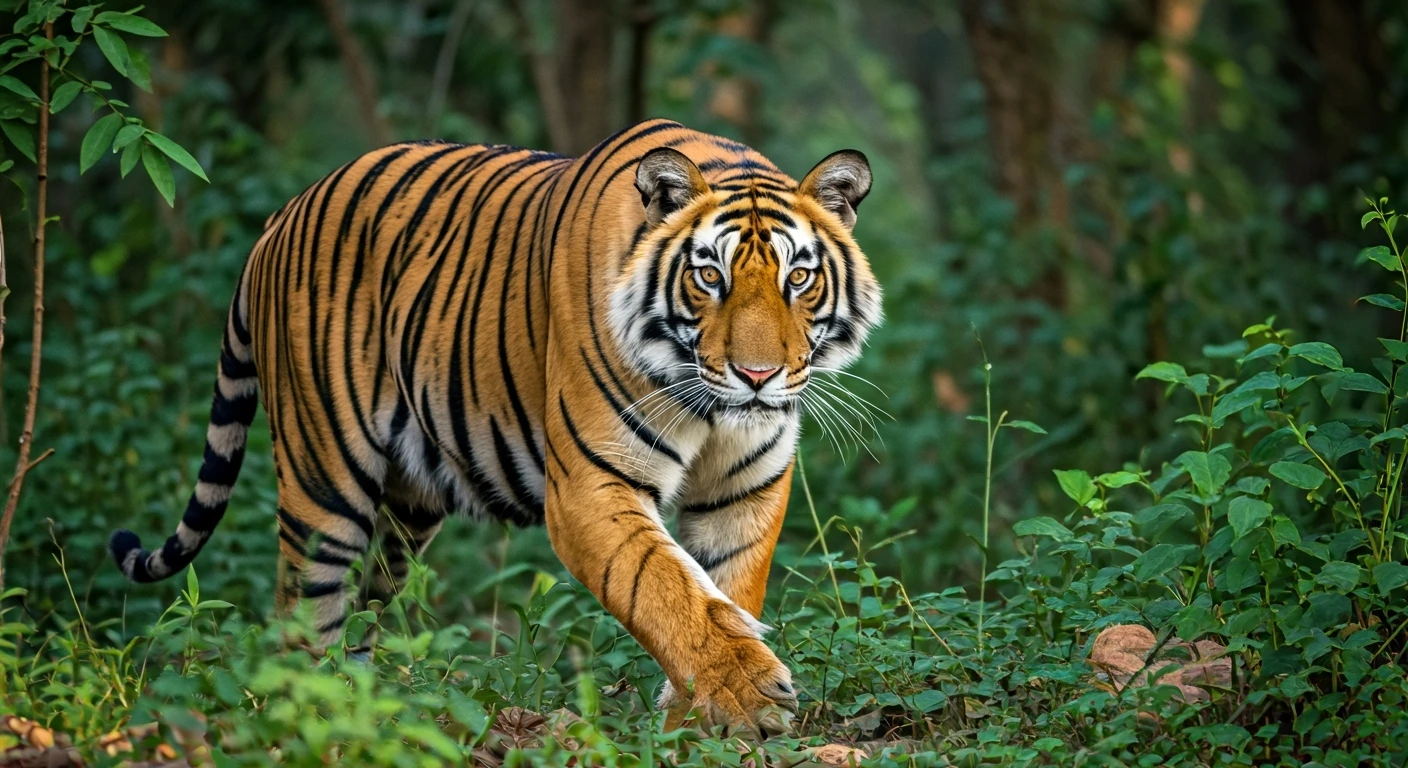
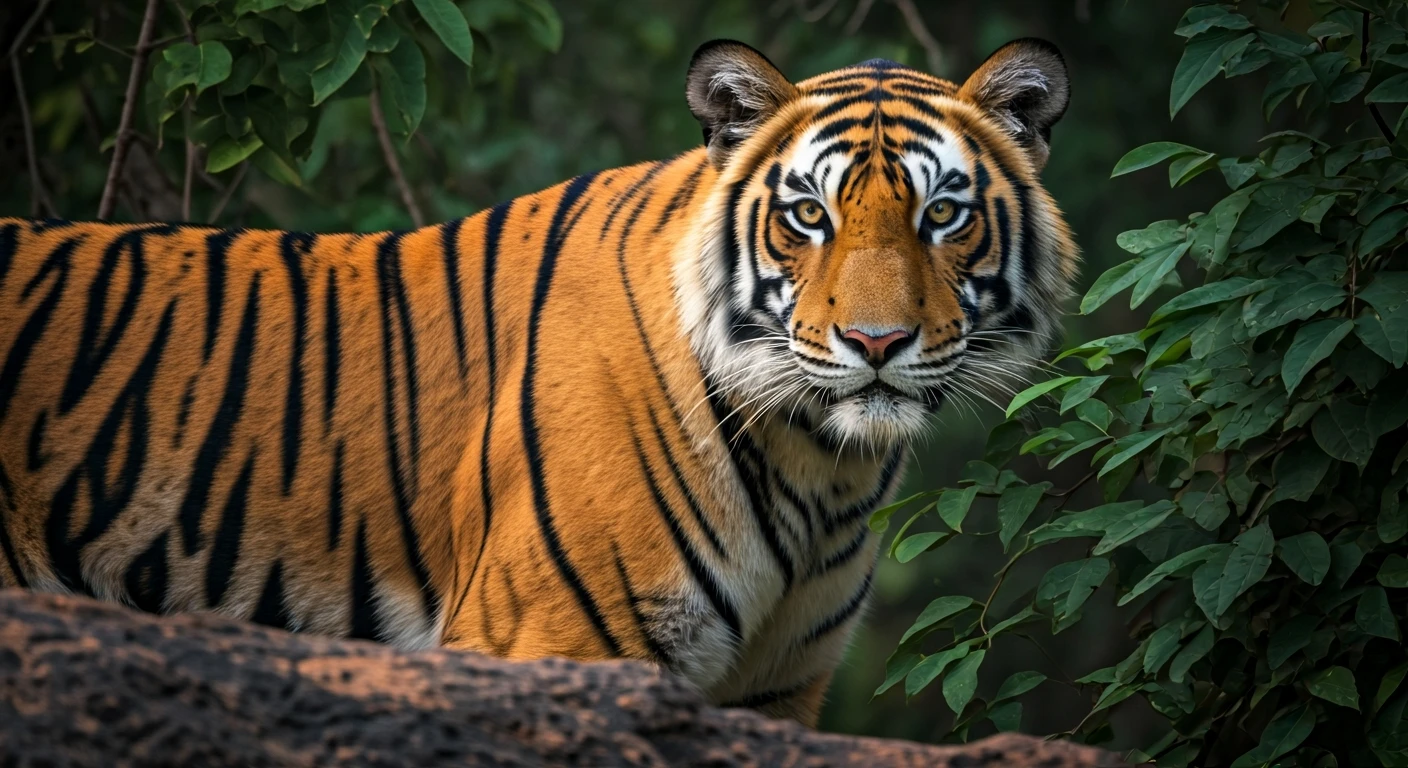
efforts in India bear fruit, Ranthambore has emerged as one of the most reliable places on the planet to see tigers in the wild. This isn't just luck; it's the result of dedicated anti-poaching patrols and habitat management that have allowed the park's tiger population to rebound, making sightings on game drives a thrilling probability rather than a distant hope. The experience is electric. Unlike the wide-open plains of the Maasai Mara, Ranthambore’s terrain is a mix of dense dhok forest and open clearings. The search is an intimate game of cat and mouse, following pugmarks in the dust and listening for the warning calls of deer and monkeys that signal a predator is near. When a tiger finally emerges from the brush—a magnificent, silent hunter—the moment is nothing short of breathtaking.
A Safari Through History
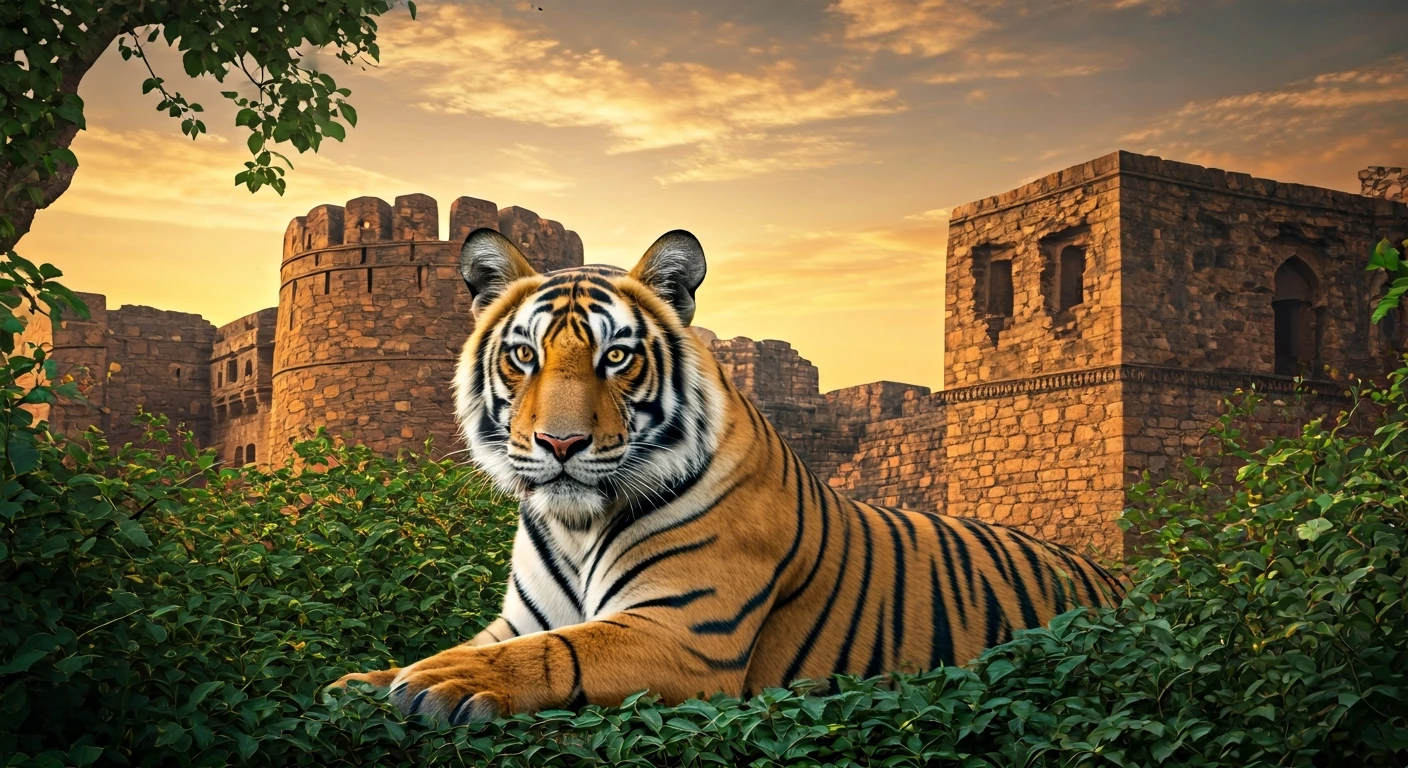
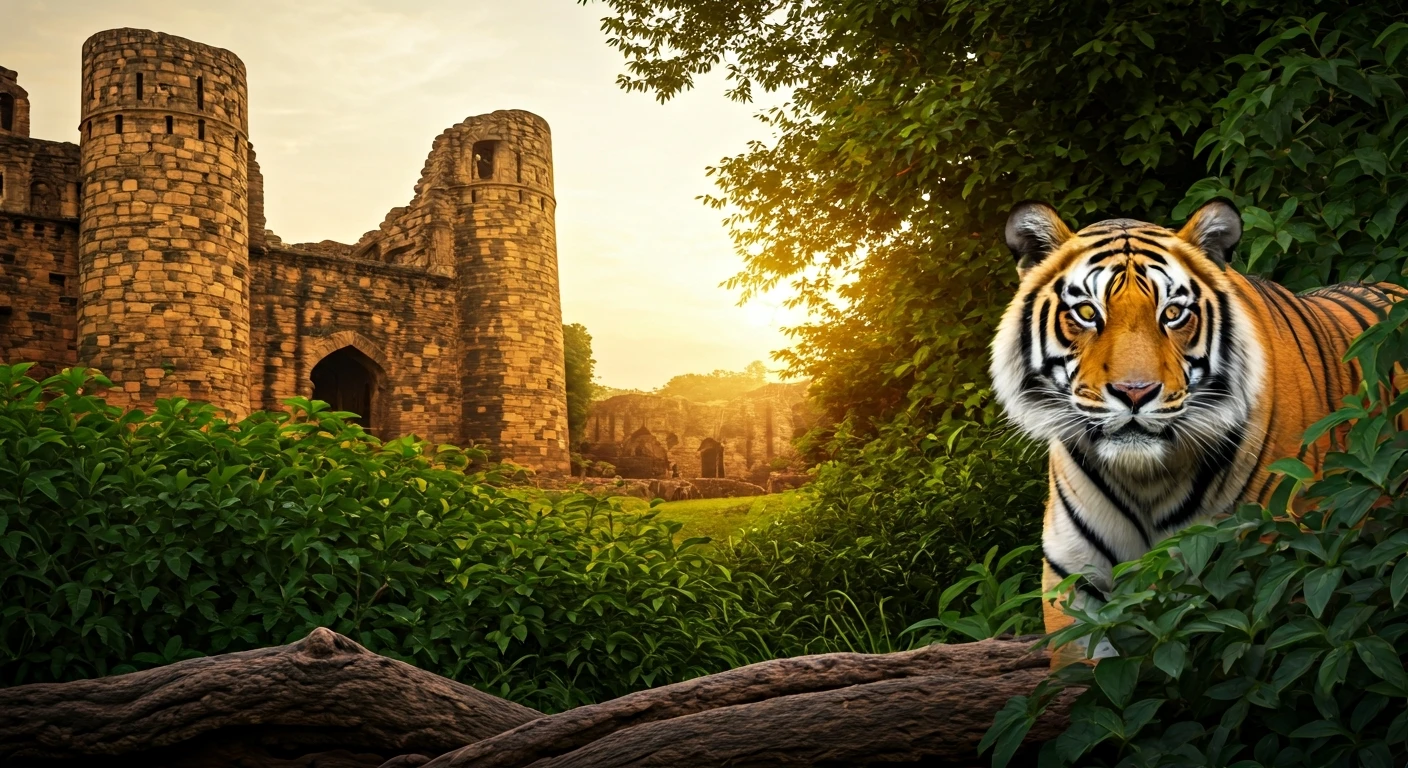
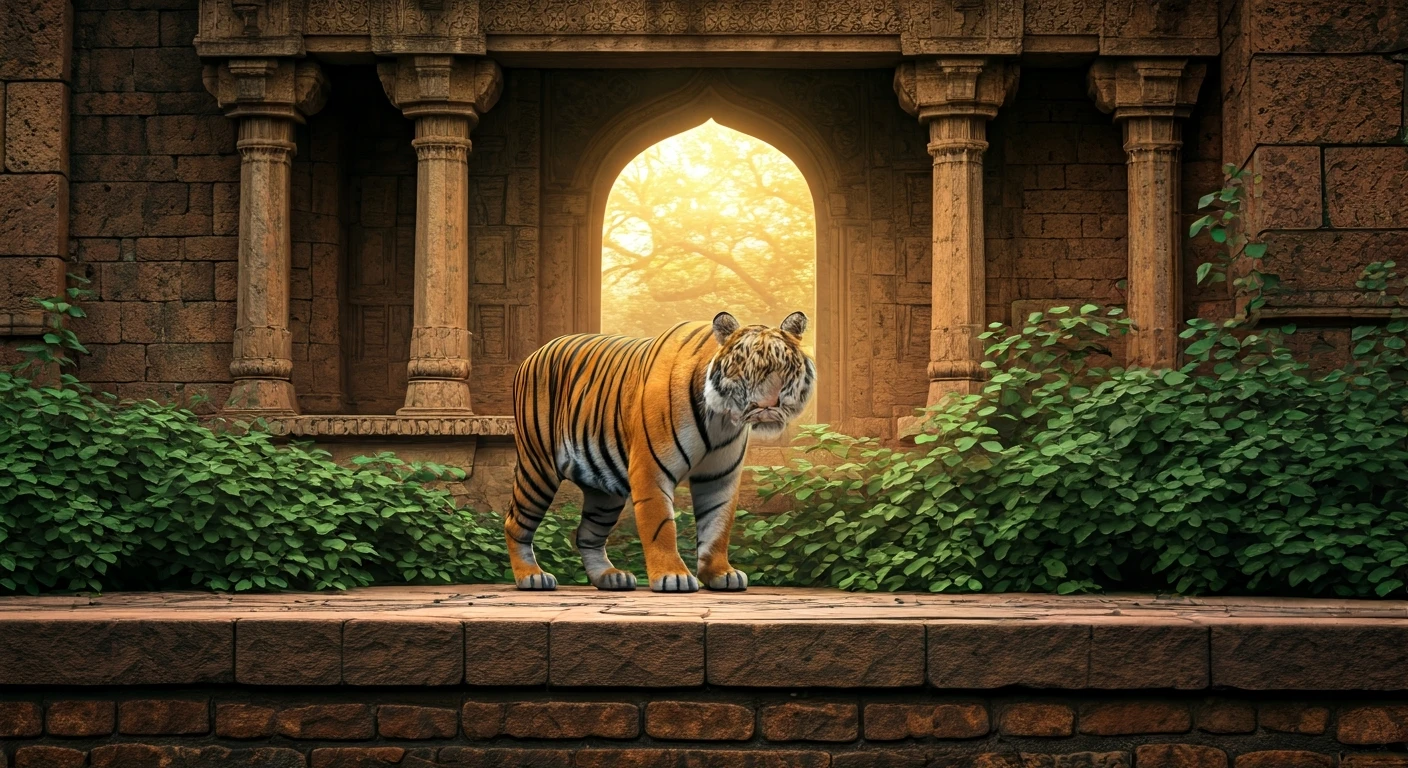
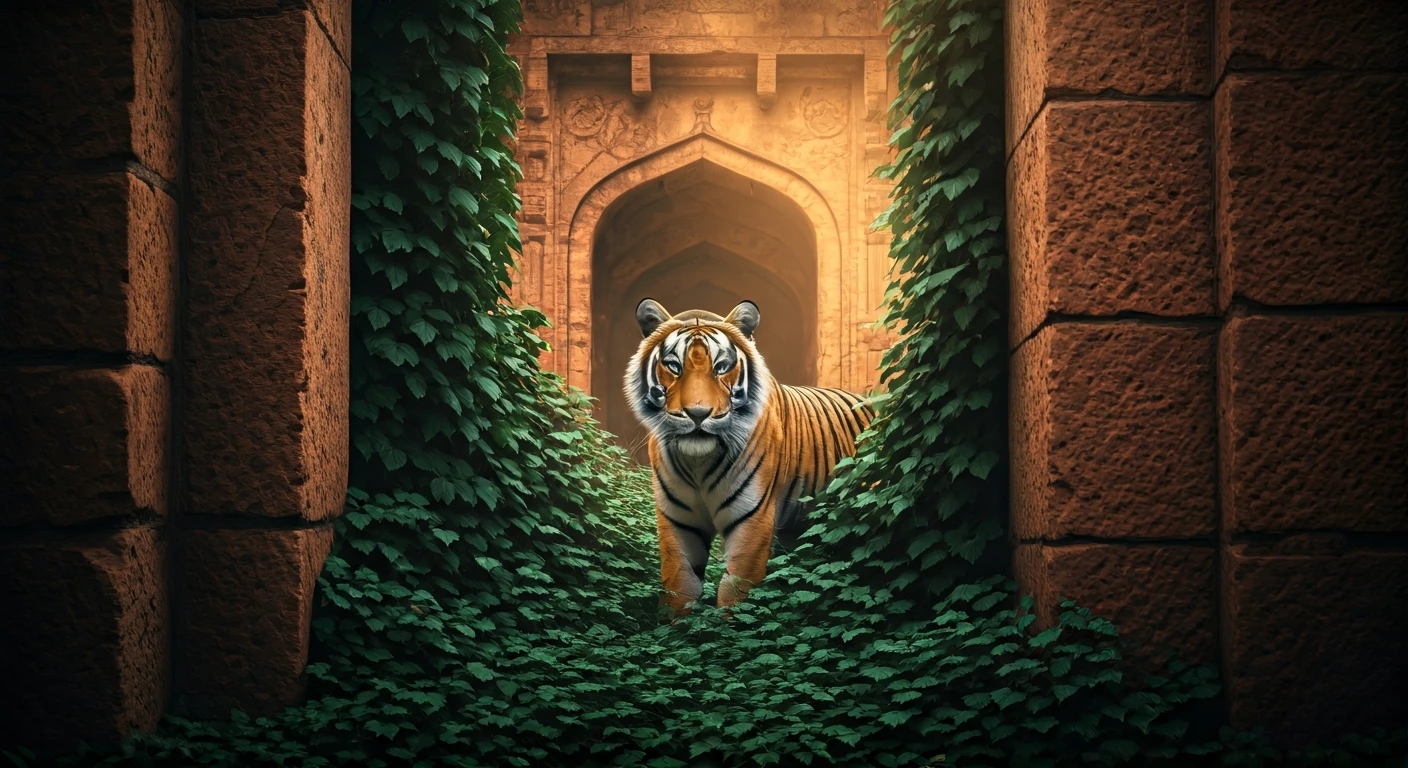
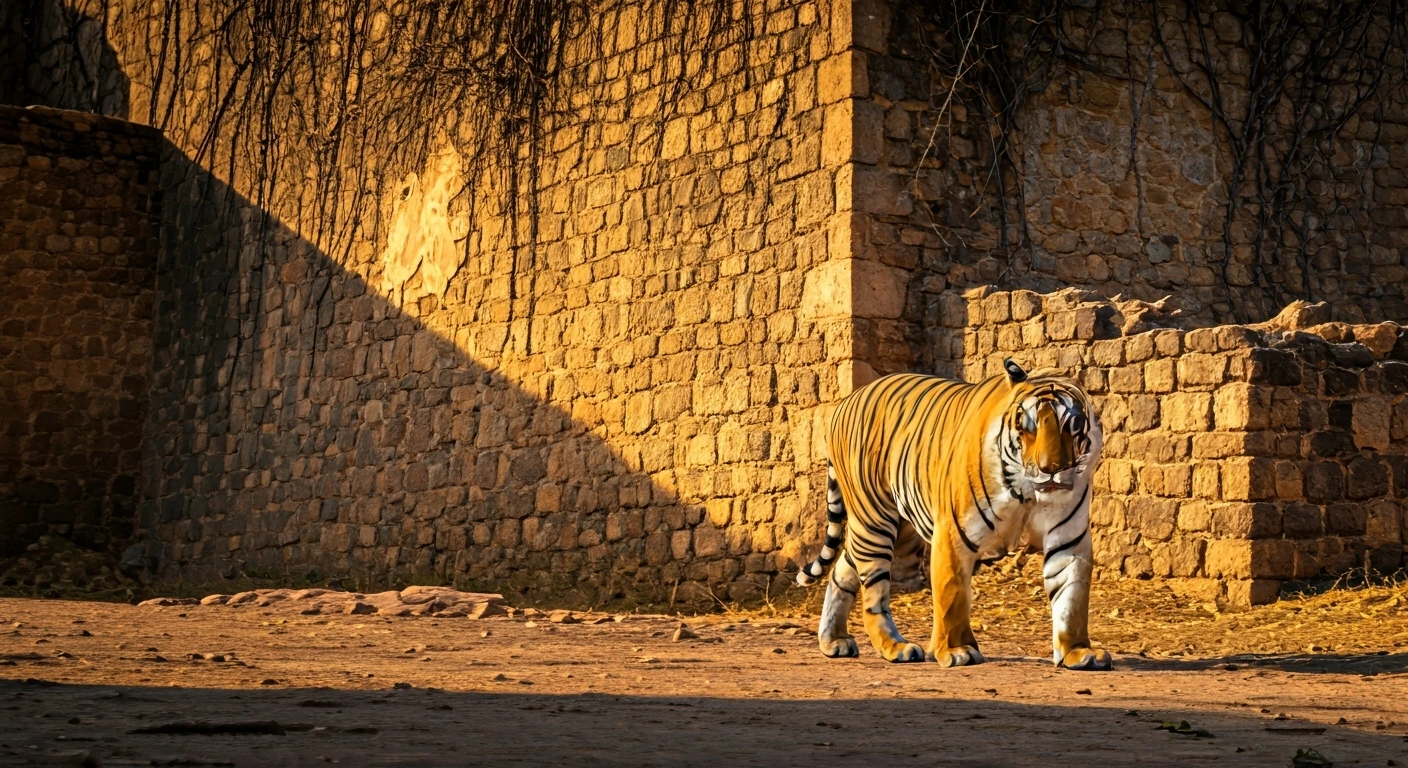
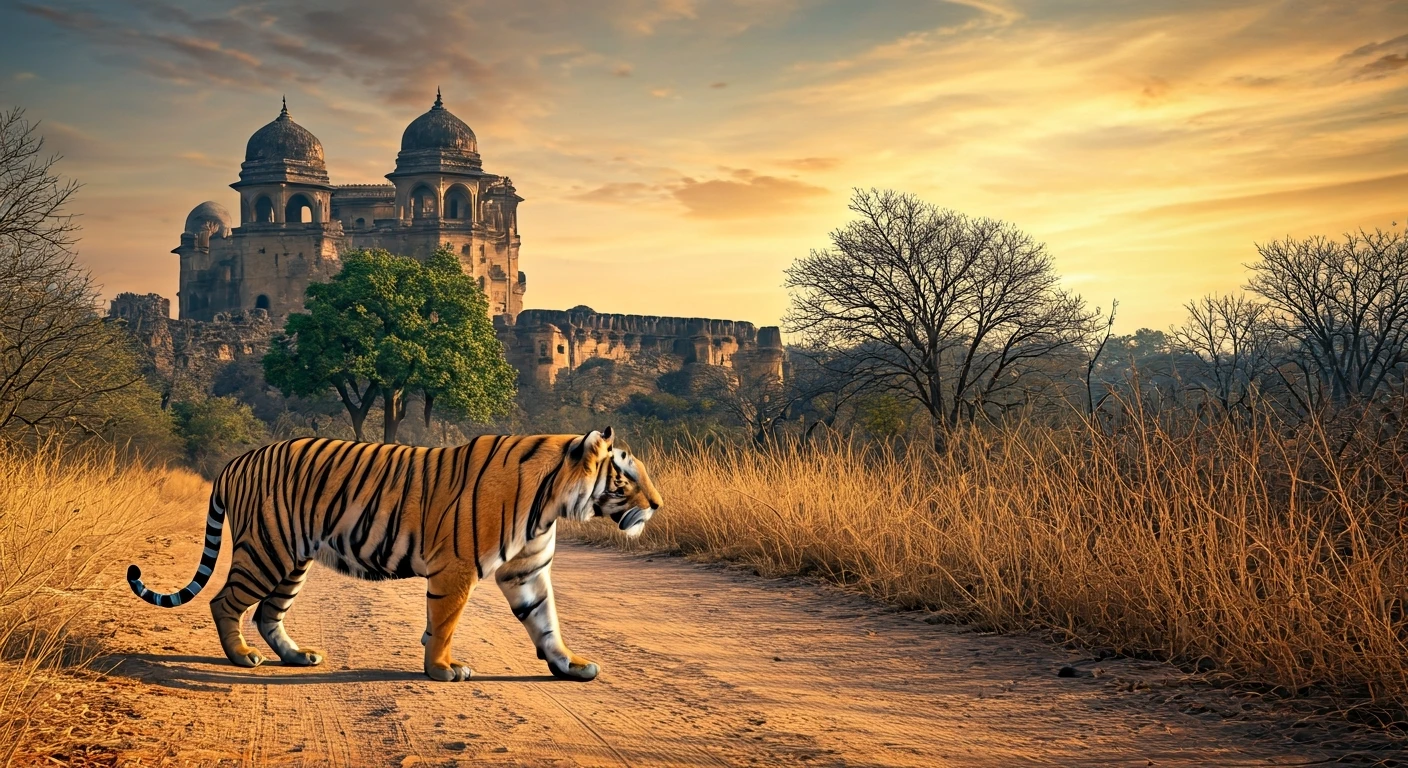
What truly sets a Ranthambore safari apart is the backdrop. This is not just a wilderness; it’s a living museum. Dominating the park's skyline is the formidable Ranthambore Fort, a UNESCO World Heritage Site with ramparts and ruins dating back to the 10th century. Game drives weave around ancient temples, crumbling cenotaphs, and serene lakes where crocodiles bask near centuries-old step-wells. You might spot a leopard lounging on the wall of a forgotten palace or a tiger drinking from a reservoir built by a long-dead king. This fusion of nature and history is unique in the world of wildlife tourism. An African safari offers a profound connection to a timeless, wild ecosystem. A Ranthambore safari does that too, but it adds another layer: a deep, tangible connection to centuries of human history, where maharajas once hunted and dynasties rose and fell. You’re not just watching wildlife; you’re watching it interact with the ghosts of a powerful past.
Why Ranthambore, Why Now?
So why is this Indian park suddenly appearing on so many “best safari” lists alongside—or instead of—African destinations? The rediscovery is fueled by a few key factors. First, for seasoned travelers who have already experienced the Serengeti or Kruger Park, Ranthambore offers a completely different flavor of adventure. It’s the perfect “second safari.” Second, the surrounding infrastructure has evolved significantly. A new generation of luxury lodges and eco-conscious camps has sprung up around the park's perimeter, offering world-class comfort and service that rival the best African bush camps. This blend of rugged adventure and high-end hospitality is a potent draw for the modern American traveler. Finally, there's a growing appreciation for India as a multifaceted destination. Travelers are realizing they can combine a world-class wildlife experience with an unparalleled cultural journey.
Beyond the Park Gates
A trip to Ranthambore rarely happens in isolation. It serves as a perfect anchor for a broader tour of Rajasthan, India’s most colorful and romanticized state. Just a few hours’ drive away is Jaipur, the famed “Pink City,” with its bustling markets and magnificent Amber Fort. A little further afield lie the lake city of Udaipur and the blue-hued alleys of Jodhpur. This connectivity allows travelers to build an itinerary that delivers a tiger safari, palace tours, vibrant cultural immersion, and incredible cuisine all in one trip. Instead of a singular focus on wildlife, a journey to Ranthambore becomes part of a grander narrative—an exploration of the “Land of Kings.” This holistic appeal is a major reason why travel planners are increasingly recommending India for clients seeking an experience that goes beyond the traditional safari vehicle.