




The Grains That Time Forgot
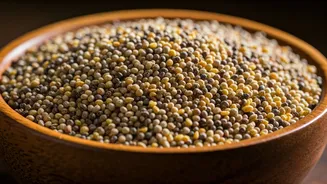
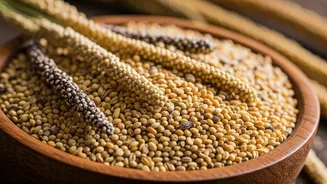
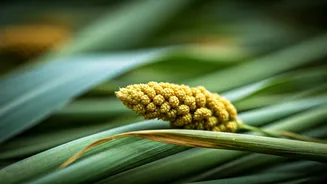
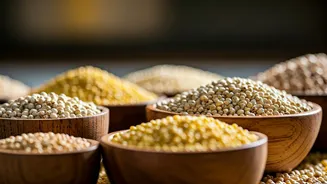
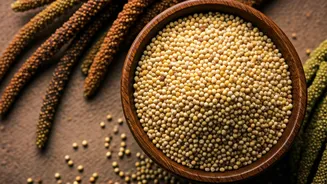
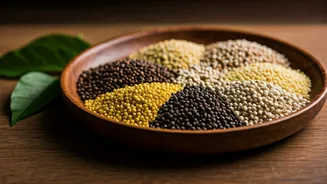
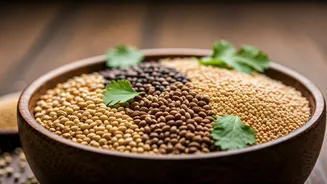
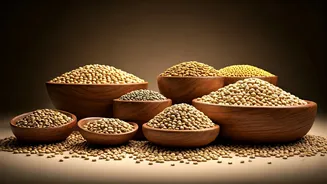
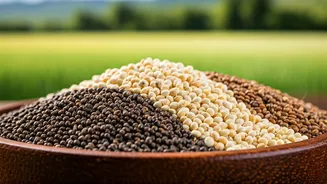
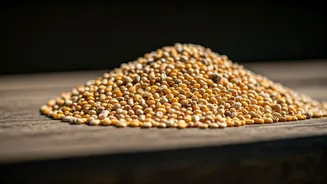
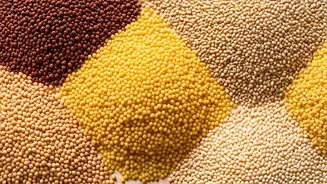
Before kale salads and quinoa bowls became American wellness staples, there were millets. Not a single grain, but a diverse family of small-seeded grasses, millets like jowar (sorghum), bajra (pearl millet), and ragi (finger millet) were the bedrock of the Indian
diet for millennia. Archaeological evidence suggests they were cultivated in the Indian subcontinent as far back as 3000 BCE. They were the everyday food, the stuff of flatbreads, porridges, and hearty meals that sustained generations. Then came the Green Revolution in the mid-20th century. With a focus on increasing food production to combat famine, government policies and subsidies heavily favored high-yield crops like wheat and rice. They were easier to process and seen as modern. Millets, by contrast, were relegated to the status of 'coarse grains' or even 'poor man's food.' Farmers abandoned their ancestral crops, and for decades, millets faded from urban kitchens and public consciousness.
A Nutritional Powerhouse Returns
The recent resurgence of millets isn't driven by nostalgia alone; it's grounded in science. As health-conscious consumers in India and abroad seek alternatives to processed grains, millets are being recognized for what they always were: a nutritional treasure trove. They are naturally gluten-free, making them an ideal choice for those with celiac disease or gluten sensitivity. Their high fiber content aids digestion and promotes gut health, while their low glycemic index helps in managing blood sugar levels, a growing concern in India and the U.S. alike. Beyond that, these tiny grains are packed with essential minerals like magnesium, iron, and calcium, and are rich in antioxidants. This profile makes them a formidable ally against lifestyle diseases. What was once dismissed as old-fashioned is now being hailed by nutritionists as a 'superfood'—a modern label for an ancient truth.
More Than Food, It's an Identity
This is where the 'rooted and real' feeling comes in. For many Indians, embracing millets is an act of cultural reclamation. It's about rejecting the colonial and post-colonial culinary hierarchy that placed refined wheat and polished rice at the top. Cooking with millets is connecting with the food of one's grandparents, a flavor profile that speaks of a specific region and history. This revival is also deeply tied to environmental wellness. Millets are famously hardy. They are drought-resistant, require far less water than rice and wheat, and can grow in poor soil without the need for excessive fertilizers or pesticides. In an era of climate change and water scarcity, they represent a sustainable agricultural future. They aren't just good for the body; they are good for the land, making the choice to eat them feel holistic and responsible.
The Modern Millet Makeover
This isn't about forcing everyone to eat bland porridge. The key to the millet comeback is innovation. Chefs in high-end restaurants across India are transforming the humble grain into gourmet fare—ragi pancakes with fresh berries, jowar-crust pizzas, and crispy millet dosas. Food startups are creating convenient, ready-to-cook millet products, from upma mixes to pasta and breakfast cereals. This modern makeover makes the tradition accessible. You don't have to overhaul your entire diet to participate. It can be as simple as swapping white rice for foxtail millet in a stir-fry or trying a flatbread made from bajra flour. This versatility is crucial, proving that ancient wisdom and modern convenience don't have to be at odds. It's this blend of past and present that gives the movement its energy and its appeal far beyond India's borders.