






The Ultimate Opening Shot
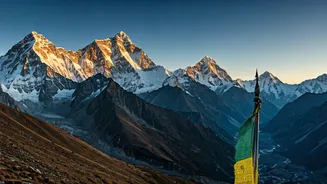
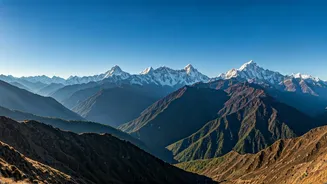
For most places, a mountain range is a pretty postcard view. In Sikkim, the Himalayas are the main character. This tiny Indian state, nestled between Nepal, Bhutan, and Tibet, exists in the shadow of giants. Chief among them is Kangchenjunga, the third-highest
peak on Earth. It’s not just a backdrop; it’s a constant, humbling presence. The Sikkimese people revere it as a guardian deity, and its snow-covered face changes with the light, shifting from a soft morning pink to a harsh, golden-hour glow. When international delegates arrived for G20-related meetings here, they weren't just discussing policy. They were doing it under the gaze of a 28,169-foot behemoth, a setting that instantly elevates the mundane to the monumental. The sheer scale makes everything feel more significant, turning a simple motorcade or a diplomatic handshake into something that feels scripted for the big screen.
A Kingdom in the Clouds
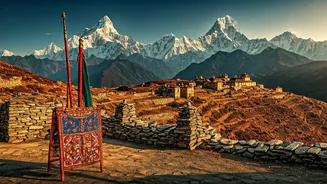
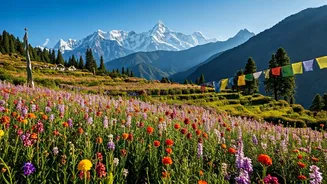
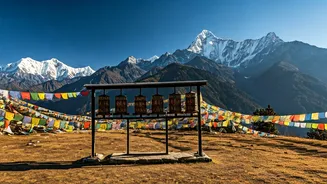
Sikkim’s cinematic quality isn’t just about geography. It’s steeped in a unique history and a deeply spiritual culture that adds layers of narrative depth. Until 1975, Sikkim was its own independent kingdom, a Buddhist monarchy with a rich tapestry of traditions. That legacy is visible everywhere, from the fluttering prayer flags that send blessings into the wind to the ancient, ornate monasteries perched on seemingly impossible hillsides. Stepping into a place like the Rumtek or Pemayangtse Monastery feels like entering another era. The air is thick with the scent of incense and butter lamps, the low hum of chanting monks providing a constant, meditative soundtrack. This isn't a historical reenactment for tourists; it’s the living, breathing soul of the region. Any event, whether a local festival or a global summit, unfolds within this powerful spiritual context, lending it a gravity and mystique that a modern metropolis simply cannot replicate.
Nature as an Active Participant
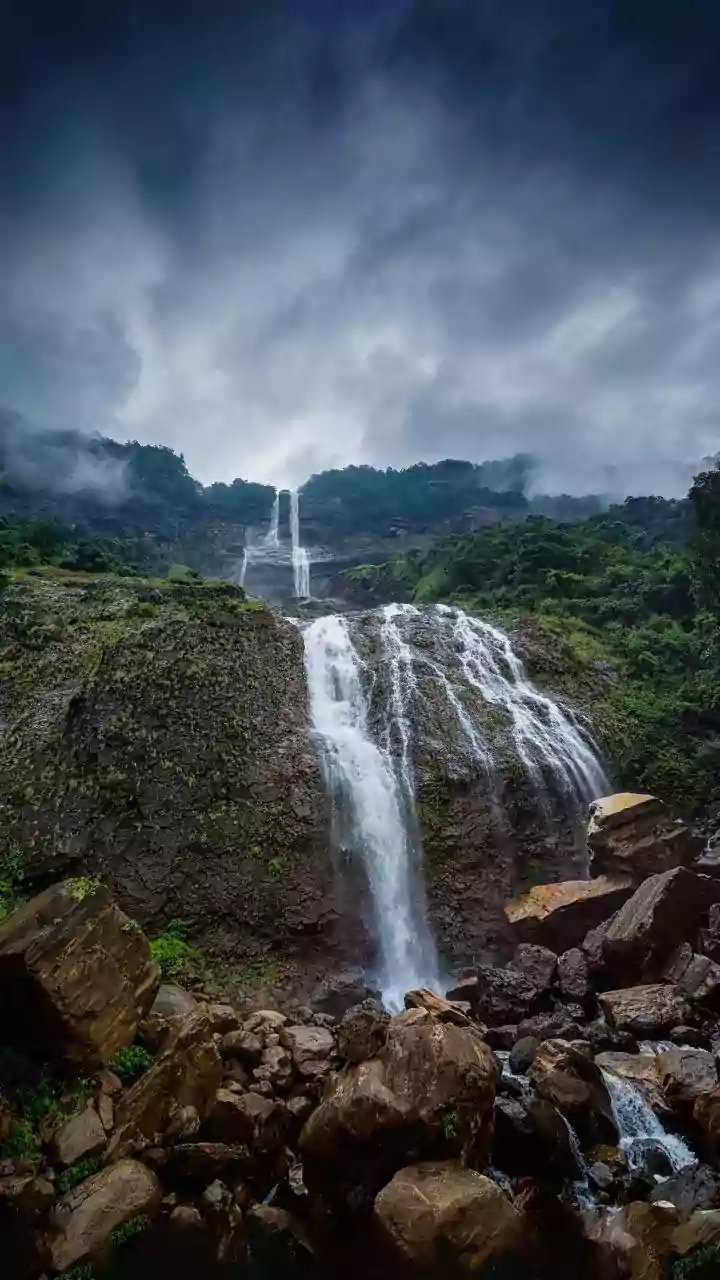
In a film, the environment is never passive. A storm signals turmoil; a sun-drenched field suggests hope. In Sikkim, nature is just as active. The weather is a dynamic force, with mist and clouds rolling through valleys in minutes, alternately revealing and concealing the colossal peaks. One moment you're in a sunlit town, the next you're enveloped in a soft, ethereal fog that muffles sound and focuses the eye on what’s directly in front of you. This constant interplay of light, shadow, and atmosphere creates a sense of drama and unpredictability. For visitors attending an event, this means the landscape is part of the experience. A journey from the airport isn't a forgettable commute; it's a winding, thrilling ascent through cloud forests and past plunging waterfalls. A morning meeting might begin with a crystal-clear view of Kangchenjunga, only for the mountain to vanish behind a curtain of mist by lunchtime, a silent reminder of nature’s power and whimsy.
Where Every Detail Matters
Ultimately, what makes Sikkim feel so cinematic is the combination of sensory details. It’s the vibrant colors of traditional Sikkimese dress against the stark white of the snow-capped mountains. It’s the sound of prayer wheels spinning in unison, a rhythmic percussion beneath the quiet hum of mountain life. It’s the taste of hot, salty butter tea on a cold morning. These elements come together to create a cohesive, immersive world that feels curated by a master filmmaker. The landscape provides the epic establishing shots, the culture offers a compelling story, and the ever-changing atmosphere directs the mood. It’s a place where you don't just see the view; you feel it. You’re not just an observer; you become part of the scene, dwarfed and inspired by the grandeur all around you.