







More Than a Hashtag
So, what’s behind the shift? It’s not just one thing. A perfect storm of changing values, heightened climate awareness, and a post-pandemic hunger for meaningful experiences has pushed sustainable travel into the spotlight. Younger travelers, particularly
Millennials and Gen Z, are driving the demand. They don’t just want to see the world; they want to know their visit isn’t harming it. This generation actively seeks out brands and experiences that align with their values, and the travel industry is racing to keep up. The result is a surge in everything from hotels advertising their water conservation efforts to tour operators who build local community support into their itineraries. It’s no longer a fringe benefit but a core selling point.
The New National Park Rules
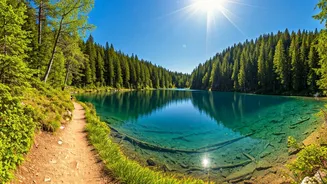
The most visible sign of this trend is happening in our own backyards: America’s national parks. For decades, the goal was simply to *go*. Now, the focus is on *how* you go. The 'Leave No Trace' principles have evolved from a suggestion for hardcore backpackers into a mainstream mantra plastered on trailheads from Acadia to Zion. Visitors are more conscious of staying on marked paths to prevent erosion, packing out every last granola bar wrapper, and keeping a safe distance from wildlife for that perfect photo. There’s also a growing movement to visit during the 'shoulder seasons' (spring and fall) to reduce the strain of over-tourism that plagues popular parks like Yellowstone and the Grand Canyon in the summer, helping preserve these natural wonders for generations to come.
Your Lodging Has a Conscience
Where you stay is becoming just as important as where you go. The rustic, off-grid eco-lodge still exists, but the concept has expanded dramatically. Today, mainstream hotel chains and boutique properties alike are competing on their green credentials. Travelers are now looking for—and finding—hotels that use renewable energy, implement serious recycling programs, source their restaurant food locally, and conserve water. Booking platforms have taken notice, adding sustainability filters that let you sort properties by their environmental practices. Even 'glamping' has gone green, with luxury tent and cabin companies emphasizing minimal site impact, solar power, and a commitment to preserving the natural landscape they occupy.
From 'Voluntourism' to Citizen Science
The idea of a 'service vacation' has also matured. The once-popular but often problematic model of unskilled 'voluntourism' is being replaced by something more impactful: citizen science and conservation work. Instead of flying across the world for a photo-op, travelers are opting for structured programs that make a real difference. These adventures might involve helping biologists track whale migrations off the coast of California, participating in a weekend of trail maintenance in the Appalachians, or joining a coastal cleanup project in Florida. These trips offer a tangible connection to a place and the satisfaction of leaving it better than you found it, turning a simple vacation into a purposeful mission.
The Hyper-Local Adventure
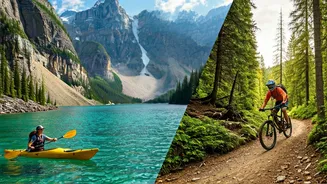
Perhaps the most significant shift is the redefinition of 'adventure' itself. The pandemic taught many of us to appreciate the beauty within driving distance. This mindset has stuck. Eco-friendly adventuring is now just as likely to mean kayaking in a local river and picking up litter along the way, foraging for mushrooms with a local expert, or spending a day supporting a nearby organic farm. By reducing the carbon footprint associated with long-haul flights and investing money in local communities, these smaller-scale trips have become a powerful and accessible way for anyone to embrace the spirit of sustainable exploration without needing a passport.