





The Allure of the Downpour
For many Americans, a vacation is synonymous with sunshine. But in certain parts of the world, particularly South and Southeast Asia, the opposite is true. Rain tourism, or monsoon tourism, is a deliberate choice to travel to a destination during its
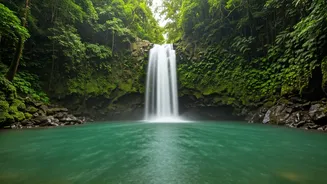
rainy season. Destinations like Kerala in India, known as “God’s Own Country,” have masterfully marketed the experience. Instead of a nuisance, the monsoon is the main attraction—a time of renewal, beauty, and tranquility. Tourists trade crowded beaches for cozy homestays, hot tea, and the hypnotic sound of rainfall. The air is fresh and dust-free, the vegetation is vibrant, and popular sites are blissfully uncrowded. It’s an atmospheric and introspective form of travel that appeals to those seeking a respite from the frantic pace of modern life.
An Economy Built on Clouds
This isn’t just a quirky trend; it’s a vital economic engine. In places like Kerala, Goa, and parts of Thailand, the tourism industry has ingeniously turned a potential liability—the off-season—into a lucrative market. Hotels offer significant discounts, wellness centers promote Ayurvedic treatments said to be more effective in the humid monsoon weather, and tour operators create packages centered on the experience of the rain itself. By smoothing out the dramatic peaks and valleys of seasonal travel, monsoon tourism provides more stable, year-round employment for local guides, hoteliers, restaurant staff, and artisans. An entire ecosystem has adapted to, and now depends on, the timely arrival and steady presence of the seasonal rains. The predictability of the monsoon, for decades, was a bankable asset.
When the Weather Breaks Its Promise
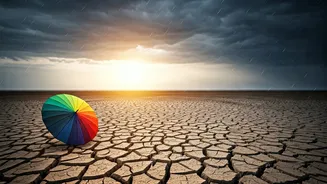
The foundation of this unique travel model is now cracking. In recent years, the famed Indian monsoon has become increasingly erratic and unreliable, a trend scientists link to global climate change. Instead of a steady, predictable season of rain from June to September, regions are experiencing prolonged dry spells, delayed onsets, and weaker-than-average rainfall. For example, some recent years have seen significant rainfall deficits across India during what should be peak monsoon months. This variability wreaks havoc on the agricultural sector, but its impact is now being felt acutely in tourism as well. The very phenomenon tourists travel to witness is becoming a no-show. A weak monsoon doesn't just mean less rain; it means the entire atmosphere of the experience is lost. The lushness fades, the rivers don’t swell, and the cooling relief never quite arrives.
The Ripple Effect on Livelihoods
For travelers, a weak monsoon might just be a disappointment—a trip that didn't live up to its Instagram-filtered expectations. For the communities that host them, the consequences are far more severe. A lackluster rainy season can lead to a cascade of economic problems. Resorts and homestays that banked on off-season bookings see cancellations. Wellness centers that built their reputation on monsoon-specific treatments lose their unique selling proposition. The entire marketing promise of a “monsoon getaway” rings hollow when the weather is hot and dry. This uncertainty makes it difficult for businesses to plan, invest, and retain staff. The economic cushion that monsoon tourism once provided is becoming frayed, leaving local economies more vulnerable to the whims of an increasingly unpredictable climate. The romance of the rain was always tied to its reliability, and without that, the model falters.