



Beyond the Postcard Picture
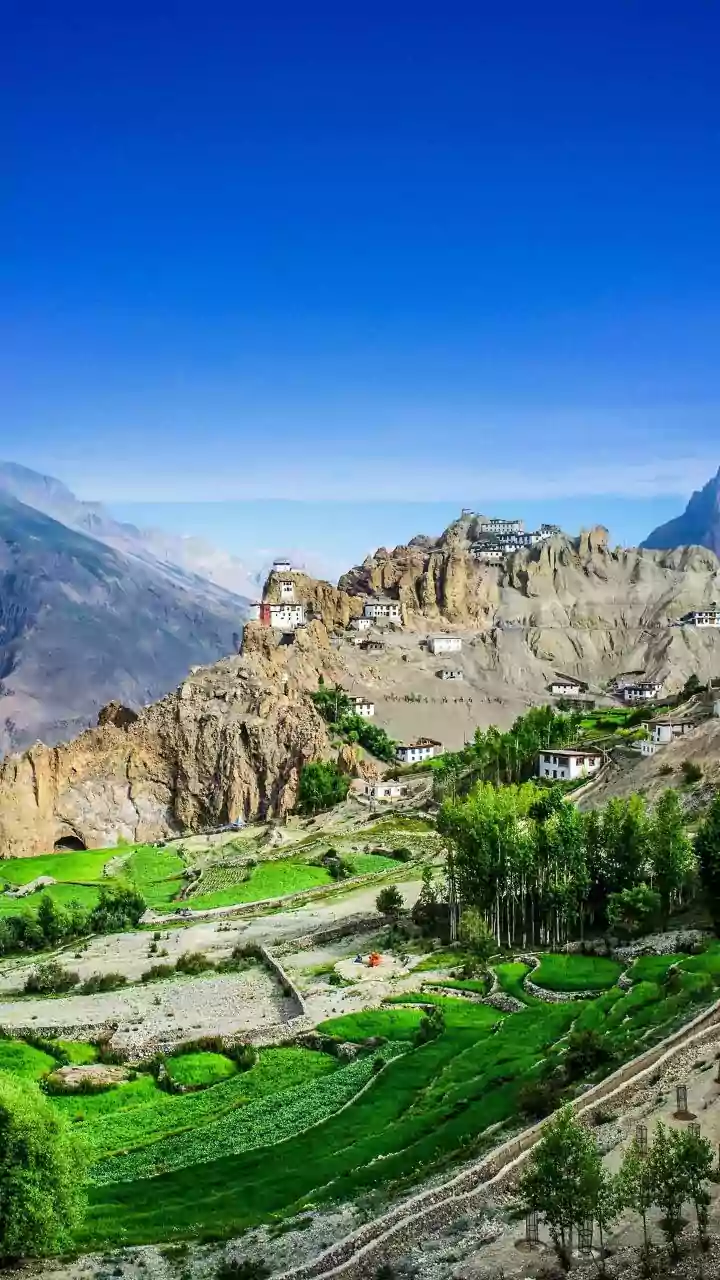
For decades, the mark of a successful trip was a catalog of famous sights visited: the Eiffel Tower, the Colosseum, the Great Wall. Travel was often a race against time to accumulate visual proof of being somewhere important. But a significant shift is underway.
An increasing number of American travelers are redefining what makes a vacation meaningful. Instead of simply looking at a culture from the outside, they want to step inside it. The new goal isn't just to see the world, but to engage with it, learn from it, and come home with more than just a souvenir—to come home with a new skill, a deeper understanding, or a genuine human connection. This isn't just about being a tourist anymore; it's about being a student, an apprentice, and a guest.
The Quest for Genuine Connection
What’s driving this change? In a hyper-digital, often disconnected world, there's a growing hunger for authenticity. The curated perfection of an Instagram feed can feel hollow compared to the messy, imperfect, and deeply rewarding experience of trying and failing to shape clay on a potter’s wheel in Oaxaca or learning the complex folds of a dumpling from a grandmother in her Shanghai kitchen. These experiences offer something a landmark photo can’t: a story. They provide a direct line to the traditions, history, and daily rhythms of a place. This desire for 'transformative travel'—journeys that change your perspective—is a response to a world of fleeting digital interactions. Travelers are looking for moments that feel real, tangible, and lasting, moving beyond consumption to find connection.
From Souvenirs to Skills
This new travel currency is measured in experiences, not things. Instead of buying a hand-woven rug in Morocco, travelers are signing up for workshops to learn the ancient weaving techniques themselves. Rather than just dining at a celebrated farm-to-table restaurant in Vermont, they’re participating in cheesemaking classes on the farm. The souvenir becomes the skill itself. These activities are powerful because they are immersive. They require focus, patience, and a willingness to be a beginner. The value isn't in the finished product—a wobbly pot or a slightly misshapen loaf of bread—but in the process. It’s in the conversations with the artisan, the shared laughter over mistakes, and the pride of creating something with your own hands, guided by local expertise passed down through generations.
How the Travel Industry Is Responding
The travel industry, from massive tour operators to boutique hotels, has taken notice. Companies like Intrepid Travel and G Adventures have built their brands on small-group, culturally immersive trips that prioritize local interaction. High-end hotels are no longer just offering infinity pools and spas; they're curating bespoke experiences like private cooking classes with their executive chefs, guided foraging expeditions, or workshops with resident artists. Tourism boards are shifting their marketing to highlight these hands-on cultural opportunities. They understand that the modern traveler is looking for a unique selling proposition that goes beyond scenic beauty. They are selling the chance to participate, not just observe. This isn't a niche market anymore; it's rapidly becoming the new standard for meaningful, memorable travel.