
The Rise of the Minimalist Museum
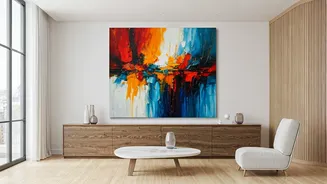
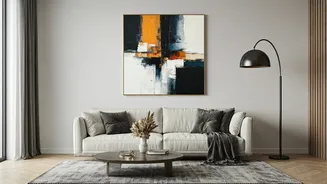
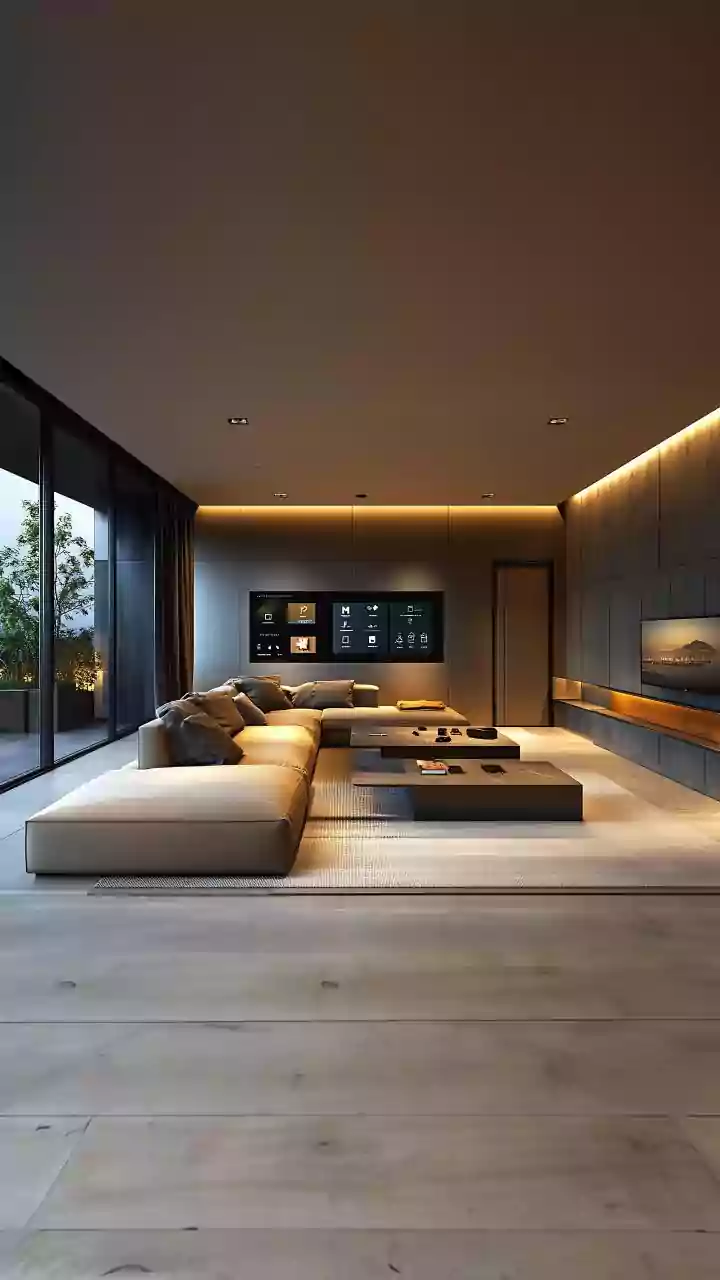
Remember the dominant interior design aesthetic of the last decade? It was a world of stark whites, cool grays, and polished concrete. Fueled by Instagram and Pinterest, the ultra-modern, minimalist look became the ultimate symbol of sophisticated living.
Every surface was decluttered, every object had a purpose, and personality was often edited out in favor of a sleek, uniform appearance. This wasn't just a home; it was a statement about an orderly life. But for many, living in a space that resembled a tech-store showroom began to feel sterile and uninviting. These picture-perfect interiors, while beautiful in a photograph, often lacked a crucial element: a soul. The pressure to maintain a flawless, impersonal environment can be exhausting, leaving residents feeling like curators of a museum dedicated to someone else’s idea of good taste rather than inhabitants of a comfortable, personal sanctuary.
Nostalgia as a Design Tool
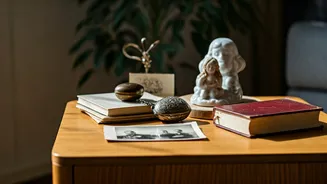
Enter nostalgia. Not as a desire to live entirely in the past, but as a deliberate design choice to inject warmth, history, and story into contemporary spaces. Instead of gutting a home of its character, designers and homeowners are now embracing it. This isn't about creating a flawless period-piece room; it's about strategic layering. A curvy, velvet-upholstered 1970s sofa can soften the hard edges of a modern living room. A collection of mismatched, inherited dishware can turn a sterile white kitchen into a hub of family history. The goal is to create friction—a pleasing contrast between the new and the old. This approach acknowledges that our lives are not minimalist. They are messy, layered, and full of stories. Our homes are finally starting to reflect that reality, using items with a past to make the present feel more grounded and human.
From 70s Curves to Grandmillennial Chic
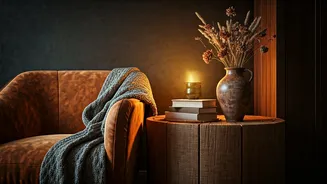
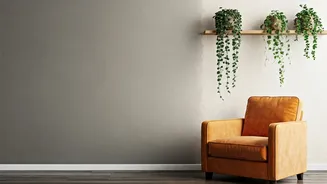
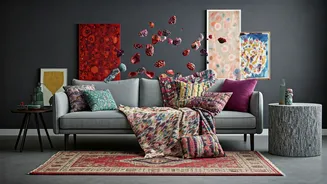
This nostalgic wave isn’t limited to one specific era. Instead, it’s a pick-and-mix of decades, each offering a different emotional flavor. The 1970s are back in a big way, with their earthy color palettes (think rust, avocado, and mustard), sunken conversation pits, and bold, rounded furniture that feels like a hug. These elements are a direct counterpoint to the sharp angles and cool tones of recent modernism. Simultaneously, the “Grandmillennial” style celebrates the comforting, traditional aesthetics of our grandparents' homes—chintz, floral wallpaper, ruffled upholstery, and dark wood furniture—but with a fresh, curated eye. It’s a rebellion against the idea that “new” is always better. Even the bold, geometric, and sometimes-garish patterns of 1980s Memphis Design are being reinterpreted, used as playful, sculptural accents that inject a dose of irony and fun into otherwise serious rooms.
Why We Crave the Comfort of the Past
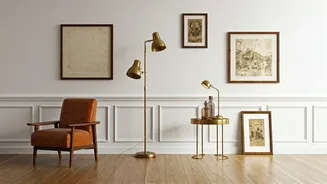
So, why now? This turn toward nostalgia is more than just a fleeting trend; it’s a psychological response to our modern world. In an age of digital ephemera and global uncertainty, surrounding ourselves with objects that feel permanent and hold personal or historical significance provides a deep sense of comfort and stability. After years of staring at sleek, cold screens, we crave texture, color, and imperfection. A vintage armchair isn't just a place to sit; it’s a tangible link to a different time, imbued with the stories of its previous owners. It has patina and character, things that cannot be mass-produced. By bringing these items into our homes, we are curating an environment that tells our unique story, not just replicating a popular image from a catalog. It’s a declaration that our homes are for living in, not just for looking at.