

1. Sophisticated Spirits, Sans Alcohol
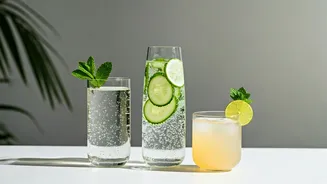
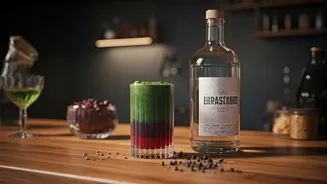
The “mocktail” has officially grown up. Gone are the days of sugary juice medleys being the only option for non-drinkers. Today’s top bars and restaurants are building entire non-alcoholic programs using a new generation of sophisticated, zero-proof spirits.
Brands like Seedlip, Ghia, and Kin Euphorics have created complex botanical distillates designed to mimic the experience of drinking gin, aperitifs, or whiskey—without the alcohol. The result? Bartenders can now craft N/A cocktails with the same level of nuance, bitterness, and complexity as their boozy counterparts. It’s a direct response to the “sober curious” movement, catering to diners who want the social ritual of a craft cocktail without the side effects.
2. Functional Ingredients Take the Spotlight
Your morning smoothie’s favorite ingredients are now showing up on evening drink menus. We’re talking about functional add-ins like adaptogens and nootropics. Adaptogens are herbs and roots (like ashwagandha and rhodiola) believed to help the body resist stress, while nootropics (like L-theanine, found in green tea) are compounds thought to enhance cognitive function. You might find them in a “Zen Latte” with ashwagandha to help you unwind or a “Focus Elixir” with lion’s mane mushroom for mental clarity. It’s an extension of the wellness-as-lifestyle trend, turning a simple beverage into a tool for optimizing your mood or mind.
3. The Fermentation Fascination
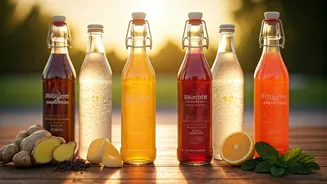
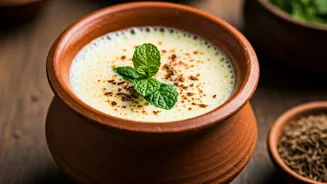
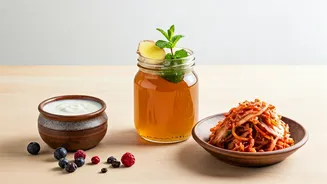
Thanks to a widespread focus on gut health, fermented drinks are no longer a niche health-food-store item. Kombucha is the undisputed star, with many restaurants now offering it on tap in a variety of house-made or locally sourced flavors. This fizzy, tangy tea is packed with probiotics, which are beneficial for digestion. But the trend extends beyond kombucha. You might also see menus featuring water kefir, a milder and often fruitier fermented drink, or even kvass, a traditional Eastern European beverage made from rye bread. These drinks offer a complex, slightly sour flavor profile that pairs surprisingly well with food, providing a compelling alternative to both soda and wine.
4. Coffee and Tea Get a Superfood Boost
The humble cup of coffee or tea is also getting a serious upgrade. The “golden milk” latte, made with turmeric and other spices like ginger and cinnamon, has become a cafe staple for its anti-inflammatory properties. Matcha, a finely ground powder of specially grown green tea leaves, continues its reign, prized for its high antioxidant content and the calm, focused energy it provides. Now, mushroom coffee is entering the mainstream. Blends incorporating powdered chaga or lion's mane mushrooms are being marketed as a way to get the energy of coffee without the jitters, often with added cognitive or immune-support benefits.
5. A Return to Natural Flavors
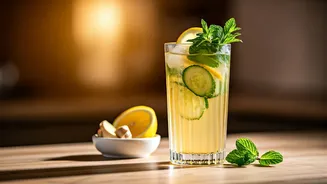
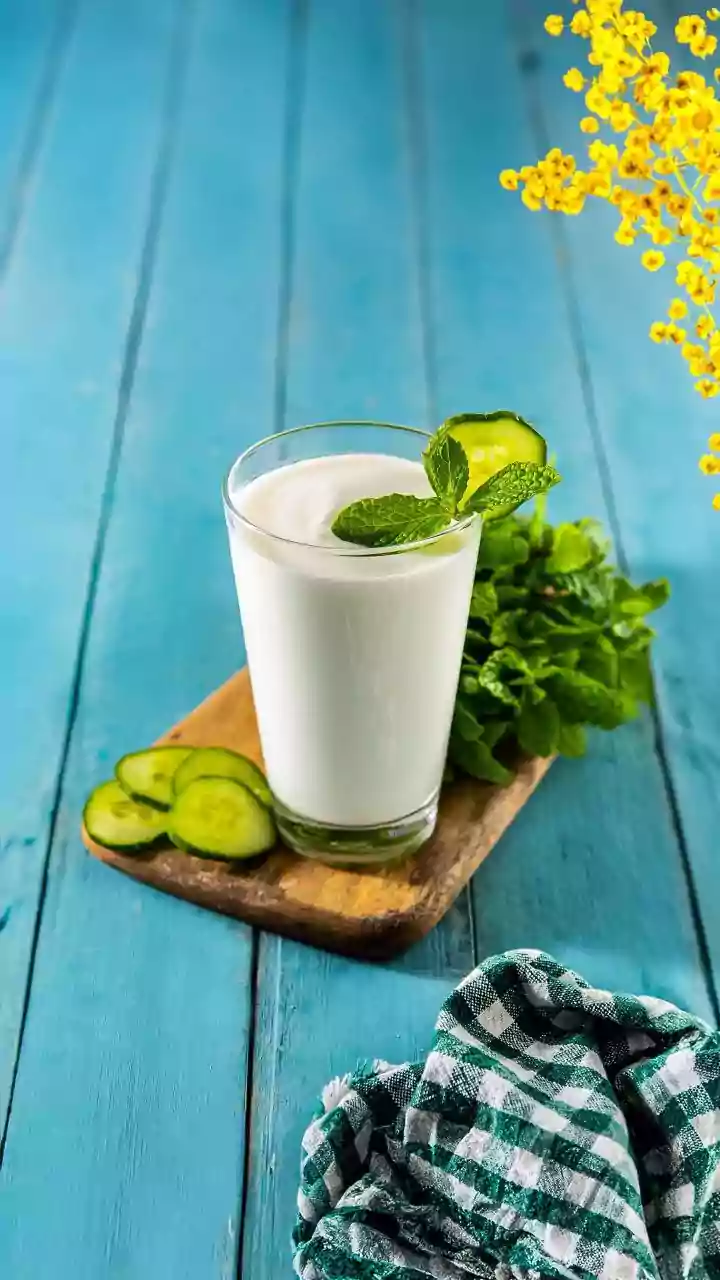
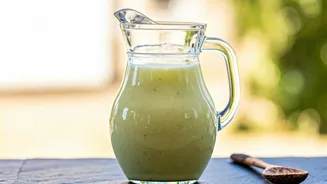
Perhaps the simplest—and most welcome—upgrade is the move away from high-fructose corn syrup and artificial additives. Restaurants are doubling down on high-quality, natural ingredients. This can be as straightforward as house-made sodas flavored with real fruit syrups, artisanal iced teas brewed with premium leaves and botanicals, or simply infused water that’s been elevated with ingredients like cucumber, mint, and citrus. It reflects a broader consumer demand for transparency and “clean” labels. People want to know what they’re putting in their bodies, and a drink made with fresh-squeezed lime and agave is increasingly more appealing than a post-mix soda from a fountain gun.