

From Gourmet to Scrappy
For years, the ultimate foodie status symbol was scarcity. It was the farmer’s market haul featuring a single, perfect heirloom tomato that cost eight dollars. It was the dish that required a trip to three different specialty stores. This was cooking
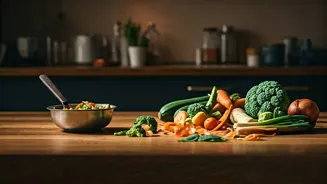
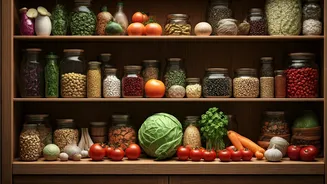
as an act of acquisition. But a quiet rebellion has been simmering, and it’s finally boiled over. Today, the real flex isn’t what you can buy; it’s what you can create with what you already have. It’s the art of turning culinary dregs into dinner. This shift transforms cooking from a project of consumption into a feat of creativity and resourcefulness. The hero is no longer the person with the most exotic pantry, but the one with the emptiest fridge and a full, happy stomach.
The Inflation-Proof Kitchen
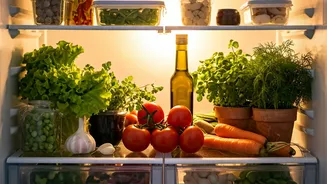
Let’s be honest: a major driver of this trend has a dollar sign attached. With grocery bills climbing relentlessly, the romance of a last-minute trip for fresh basil has faded. Suddenly, that wilting bunch of cilantro in the crisper drawer doesn’t look like a failure; it looks like an opportunity. Skyrocketing prices for eggs, produce, and meat have forced a collective reckoning with our shopping habits and, more importantly, our waste. Pantry cooking, once seen as a student-budget necessity, is now a savvy financial strategy for everyone. Making do isn't just virtuous; it's smart. Every meal cobbled together from leftovers and pantry staples is a small but satisfying victory against a checkout receipt that feels increasingly hostile.
Sustainability Goes Mainstream
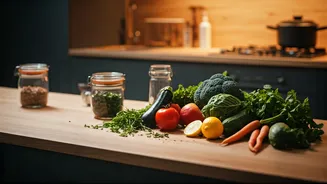
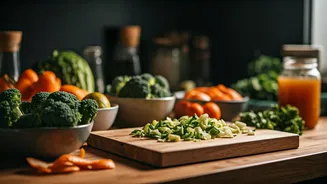
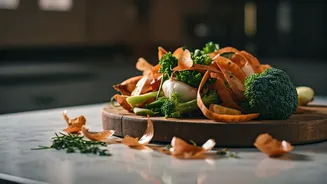
Alongside the economic pressure is a powerful cultural current: the drive to live more sustainably. The staggering statistics on household food waste in the U.S.—where families toss out hundreds of pounds of food per year—have moved from niche environmental reports to mainstream consciousness. Using every part of a vegetable (a practice now trendily called “root-to-stem” cooking) or finding a use for stale bread is no longer just a Depression-era throwback. It’s a tangible, daily action in the fight against waste. This mindset reframes a half-used jar of salsa not as clutter, but as a potential component for chilaquiles or a soup base. Turning scraps into something delicious provides a sense of personal agency and moral satisfaction that buying another perfect avocado simply can't match.
The Social Media Spotlight
If a flex happens and no one sees it, did it even happen? Social media, particularly TikTok and Instagram, has been instrumental in turning this thrifty practice into a spectator sport. The “fridge clean-out” video is a genre unto itself, where creators showcase a seemingly random assortment of ingredients before revealing a surprisingly cohesive and appetizing meal. These posts are part magic trick, part cooking tutorial, and part aspirational lifestyle content. They’ve gamified resourcefulness, turning the humble act of using up leftovers into a viral challenge. Watching someone transform sad-looking vegetables and a can of tuna into a gorgeous pasta dish is both inspiring and deeply validating for anyone staring into their own chaotic fridge, wondering what’s for dinner.
Redefining the 'Good Cook'
Ultimately, the rise of “cook what you have” is redefining what it means to be a good cook. The old model prized precision: the ability to follow a complex recipe to the letter. The new model prizes intuition and adaptability. A great cook isn't someone who can perfectly replicate a Thomas Keller dish; it’s someone who can look at three random ingredients and see a dozen possibilities. This skill is less about technical mastery and more about a kind of kitchen wisdom. It’s the confidence to swap ingredients, invent sauces on the fly, and trust your own palate. This approach is more forgiving, more creative, and frankly, more relevant to the way most people actually live and eat.