



More Than Just Decoration
The drive to bring the outdoors in is about more than just aesthetics. For many living in concrete jungles, houseplants are a vital link to nature, purifying the air and boosting mental well-being. Studies have shown that interacting with indoor plants can
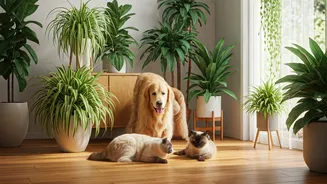
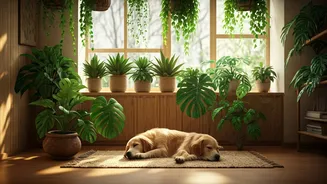
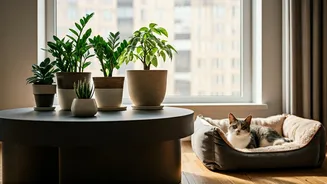
reduce stress and increase feelings of calm. When you add a pet to the mix, these benefits are compounded. A well-curated indoor garden can provide sensory enrichment for a curious cat or a chill dog, offering new smells and textures. It turns a static living room into a dynamic micro-ecosystem, creating a healthier, more stimulating environment for every member of the household, two-legged or four.
The Non-Negotiable Safety Check
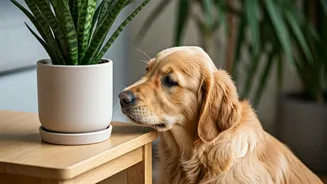
Before you turn your home into a botanical garden, the first and most crucial step is understanding plant toxicity. What’s harmless to humans can be dangerous, or even fatal, for cats and dogs. The American Society for the Prevention of Cruelty to Animals (ASPCA) maintains an exhaustive and searchable database of toxic and non-toxic plants, which should become your go-to resource. Common offenders found in many homes include lilies (extremely toxic to cats), sago palms, snake plants, and pothos. If ingested, these can cause anything from mild gastrointestinal upset to severe kidney failure. If you already own a potentially toxic plant, the safest choice is to re-home it. If you suspect your pet has ingested a toxic plant, contact your veterinarian or the ASPCA Animal Poison Control Center immediately.
Go-To Greenery: Pet-Friendly Favorites
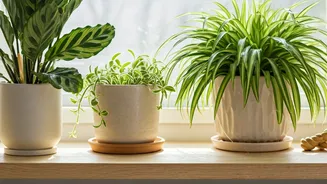
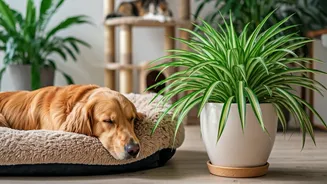
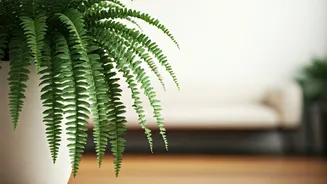
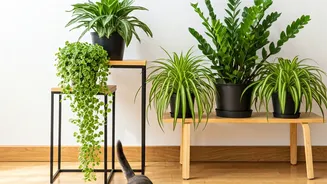
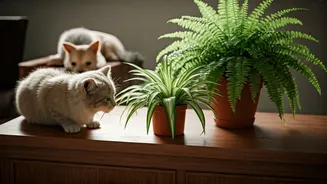
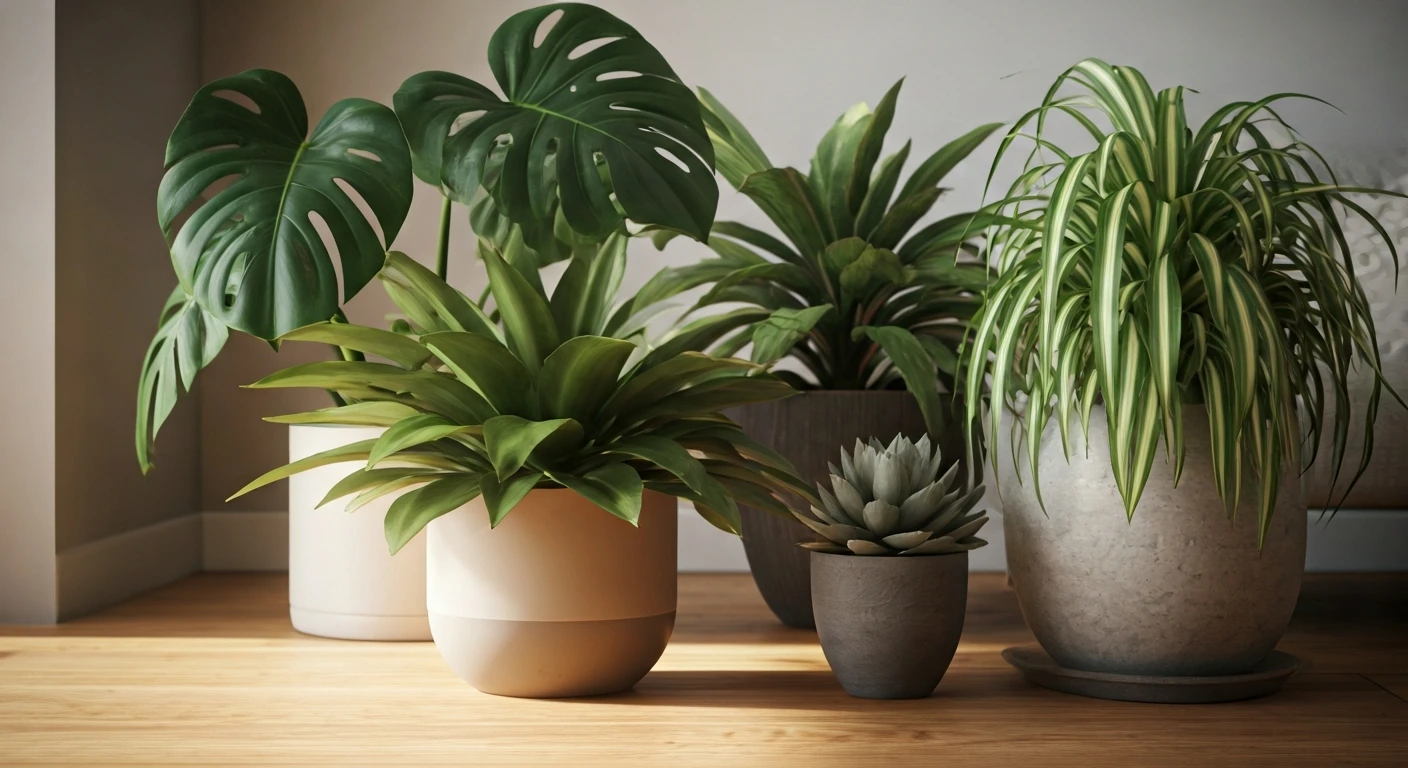
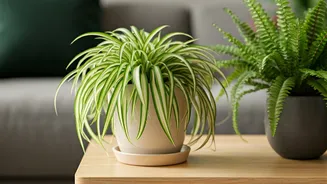
Building a pet-safe plant collection is easier than ever, with plenty of beautiful, non-toxic options available. The Spider Plant is a classic for a reason; it’s resilient, an excellent air purifier, and completely safe for pets (though cats love to bat at its dangling “spiderettes”). Prayer Plants (Calathea) offer stunning, patterned foliage and are non-toxic. For a tropical vibe, the Parlor Palm or Boston Fern are fantastic choices that are safe for both cats and dogs. If you’re looking for something that’s both stylish and symbolic, the Money Tree is non-toxic and believed to bring good fortune. These plants allow you to create a lush, green interior without putting your furry friend at risk, forming the foundation of a harmonious pet-plant home.
Strategic Placement Is Everything
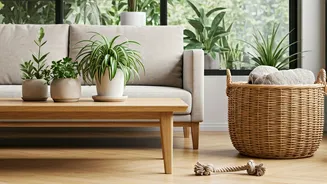
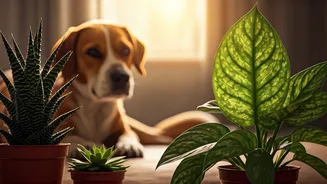
Even with non-toxic plants, you may want to prevent your pet from turning your favorite fern into a chew toy or salad bar. Smart placement is the key to protecting both your plants and your peace of mind. Hanging planters are an elegant solution, keeping greenery well out of reach of curious paws and mouths. High shelves, mantels, or the tops of sturdy bookcases also create safe zones. You can also designate a specific room or corner as a plant-only area, using a stylish pet gate to restrict access. For floor plants, consider using larger, heavier pots that are difficult for a pet to knock over. Some owners even place smaller, less appealing plants like cacti (with caution) or prickly succulents around the base of a larger plant to create a natural deterrent.
Training and Redirection
A harmonious pet-plant household also relies on behavior. Most pets can be taught to leave plants alone through gentle training and redirection. If you see your cat or dog showing interest in a plant, firmly say “no” and immediately redirect their attention to an appropriate toy or a healthy treat. Make their designated toys more interesting than the plants. For cats who love to dig, ensure their litter box is clean and appealing. You can also provide them with their own pot of pet-safe cat grass or catnip, giving them a “yes” plant to chew on. Consistency is key. Over time, your pet will learn that plants are part of the scenery, not part of their playground.