

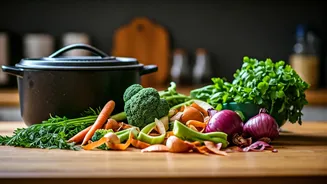
From Trash to Culinary Treasure
Remember when tossing potato peels felt as automatic as breathing? That era is ending. A quiet revolution is happening in American kitchens, driven by a philosophy that chefs call “root-to-stem” cooking. It’s the vegetable equivalent of the “nose-to-tail”
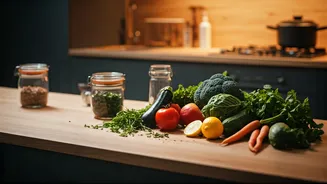
movement for meat, and its premise is simple: use the whole thing. What was once destined for the compost bin—the skins of potatoes, the peels of citrus, the fibrous outer layers of onions—is being rebranded as a source of flavor, texture, and nutrition. This isn’t just about being frugal; it’s a creative challenge that chefs and home cooks are embracing with surprising enthusiasm. They're discovering that the part we’ve been throwing away for centuries might just be one of the most interesting ingredients of all.
Why Now? A Perfect Storm of Trends
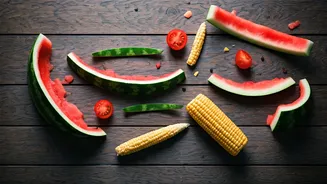
So why is this happening now? It’s a convergence of several cultural currents. First, there’s the massive, social-media-fueled push against food waste. As we become more aware of the environmental and financial costs of throwing food away, saving scraps feels both responsible and savvy. Viral videos show creators turning watermelon rinds into pickles and potato peels into crunchy, addictive chips. Second, our collective palate is getting more adventurous. We’re actively seeking out new textures and more complex flavors, like the pleasant bitterness found in citrus peel or the earthy depth of a roasted carrot skin. Finally, it’s a matter of nutrition. Many peels are packed with fiber, vitamins, and antioxidants that are absent from the flesh of the fruit or vegetable. In a wellness-obsessed culture, eating the peel is an easy way to get more nutritional bang for your buck.
The Gateway Peel: Potatoes and Carrots
If you're new to the peel party, start with the classics. Potato and sweet potato peels are the easiest entry point. Instead of tossing them, give them a good scrub, toss with olive oil and seasonings (smoked paprika, garlic powder, and salt is a great combo), and roast at 400°F until crispy. They become savory, crunchy snacks that rival any store-bought chip. Carrot peels work the same way. While many people peel carrots out of habit, their skins are thin, tender, and full of earthy flavor. For most recipes, a thorough wash is all you need. If you do peel them, save the peels to toss into your next batch of roasted vegetables or blend into a pesto for a pop of color and sweetness.
Citrus Peels: The Flavor Powerhouse
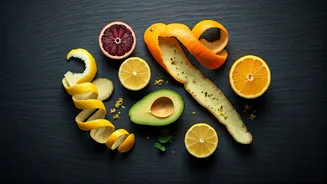
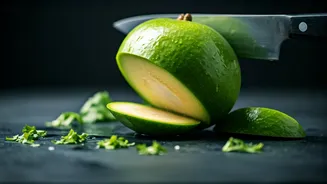
This is where the real magic happens. The zest and peel of lemons, limes, oranges, and grapefruit are flavor bombs. The brightly colored outer layer, or zest, contains concentrated aromatic oils. Use a microplane to shave it into salad dressings, marinades, baked goods, or cocktails. The whole peel (including the white pith) can be candied to create a sweet, chewy garnish. You can also make a classic bartender’s ingredient called oleo saccharum (“oily sugar”) by muddling citrus peels with sugar and letting them sit for a few hours. The sugar draws out the essential oils, creating a fragrant syrup perfect for lemonade or cocktails. Or, simply drop a few strips of peel into a bottle of olive oil or white vinegar to create a custom infusion.
The Unexpected All-Stars
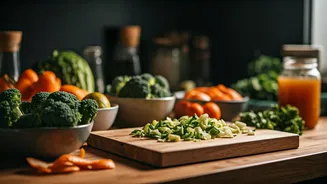
Ready to get more experimental? The papery skins of onions and garlic are fantastic additions to homemade stocks and broths. They contribute a deep, savory flavor and a beautiful golden-brown color—just be sure to strain them out before serving. Another surprising hero is the banana peel. Yes, you can eat it. In many parts of the world, it's a common ingredient. When cooked low and slow with barbecue sauce and spices, the fibrous texture breaks down, creating a surprisingly convincing substitute for pulled pork. Even the tough outer leaves of cauliflower and the stems of broccoli, which are often discarded, can be roasted until tender and delicious.
A Quick Word on What to Avoid
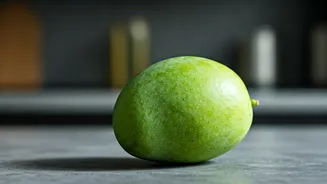
While many peels are delicious, not all are created equal. First and foremost, always wash produce thoroughly, especially if it’s not organic, to remove dirt, wax, and pesticide residue. Some peels are simply too tough or bitter to be enjoyable, like those from thick-skinned winter squashes (butternut, spaghetti squash), which are best composted. The skins of avocados and mangoes are also generally considered unpalatable. And while you *can* eat the fuzzy skin of a kiwi, many people find the texture off-putting. The key is to use your judgment: if it looks and smells good, it’s probably worth a try.