



The Sprawling Green Heartbeat
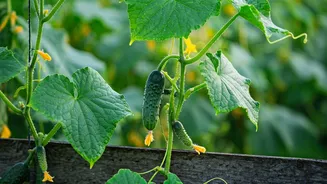
There's a specific energy that cucumber vines bring to a garden. It’s a feeling of vigorous, untamed life. In the height of July, when other plants might be struggling in the heat, a healthy cucumber plant is a study in ambition. Its large, palmate leaves
create a dense canopy of deep green, offering shade and a sense of cool relief. Its delicate tendrils reach out, grabbing onto anything they can find—a fence post, a string, a neighboring tomato plant—pulling the vine upward and outward. This isn't the tidy, polite growth of a manicured boxwood; it's the sprawling, generous, slightly wild mood of high summer. It’s the visual equivalent of a lazy, humid afternoon, a green curtain that signals abundance and the simple, satisfying work of growing your own food.
Choose Your Vining Character
To achieve this signature look, you need to pick the right plant. Cucumbers generally come in two types: bush and vining. While bush varieties are great for containers and small spaces, they won't give you that dramatic, climbing effect. For the full 'summer mood,' you want vining cucumbers. These are the classic climbers that will happily scale a trellis six feet or higher. Look for reliable, productive varieties like 'Marketmore 76,' a dark green slicer that’s famously disease-resistant, or 'Straight Eight,' an heirloom that produces perfectly uniform fruits. For something a bit different, 'Lemon' cucumbers grow into yellow, ball-shaped fruits on equally enthusiastic vines. The key is to check the seed packet or plant tag for the word 'vining' to ensure you’re getting a climber, not a clumper.
Give Them a Stage to Perform
A vining cucumber without support is just a tangled mess on the ground, prone to pests and rot. The magic happens when you give it something to climb. This structure, or trellis, is what transforms the plant from a sprawling groundcover into a living piece of architecture. You don't need anything fancy. A simple A-frame made of wood and string works beautifully. A cattle or hog panel, arched between two T-posts, creates a stunning green tunnel you can walk through. Even a section of wire fencing propped against a wall will do the trick. The goal is to provide a vertical stage. As the vine climbs, the leaves create a dense wall of green, and the cucumbers hang down, straight and clean, making them incredibly easy to spot and harvest. This vertical growth also improves air circulation, which helps prevent common fungal diseases like powdery mildew.
The Daily Rhythm of Care
Maintaining the cucumber mood is about establishing a simple rhythm. These plants are thirsty and hungry. The single most important rule is consistent watering. Irregular watering stresses the plant and is the primary cause of bitter-tasting cucumbers. Aim to water deeply at the base of the plant every few days, or daily during a heatwave, keeping the soil evenly moist but not waterlogged. A thick layer of straw mulch can help retain that moisture. Cucumbers also thrive in full sun, needing at least six to eight hours of direct light to produce well. They are heavy feeders, so enriching your soil with compost at planting time and giving them a dose of balanced liquid fertilizer once they start flowering will fuel their explosive growth and ensure a steady supply of fruit all summer long.
The Payoff: From Vine to Table
The ultimate reward for cultivating this mood is the harvest. There is a unique satisfaction in parting the giant leaves to find a perfect, dew-kissed cucumber ready to be picked. A fresh-from-the-vine cucumber tastes fundamentally different—crisper, sweeter, and more alive than anything from the grocery store. The payoff isn't just one big event; it's a rolling bounty. One day it’s a cucumber and tomato salad, the next it’s slices in a glass of ice water, and by August you might find yourself exploring the world of quick pickles. This constant, tangible reward is what makes the cucumber vine the true star of the summer garden. It’s not just pretty to look at; it’s a productive powerhouse that keeps on giving.