

The New Culinary Beta Test
For generations, the path for an ambitious chef was clear: work your way up the line, secure a massive loan, sign a crippling lease, and pray your restaurant survives its first year. But a new wave of food entrepreneurs is rewriting that playbook. They’re
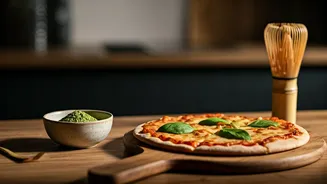
treating the food world less like real estate and more like the tech industry, using temporary events—pop-ups, market stalls, and ticketed dinners—as their real-world laboratories. Think of it as beta testing for a menu. Instead of sinking a life’s savings into a single concept, they can launch a “Minimum Viable Product”—say, a specific style of dumpling or a unique sourdough pizza—and get immediate feedback from paying customers. If a dish is a hit, it stays. If it flops, the stakes are low. There’s no expensive signage to change, just a menu update for the next event.
The Economic Recipe for Disruption
This shift isn’t just about creative freedom; it’s a pragmatic response to brutal economic realities. The average cost to open a restaurant can easily soar into the six figures, a barrier that has kept countless talented but undercapitalized chefs out of the game. By contrast, a pop-up can be launched for a few thousand dollars, covering little more than ingredients, temporary permits, and a spot at a local brewery or market. Social media has become the great equalizer in marketing, allowing a chef with a compelling story and mouth-watering photos to build a loyal following without a PR budget. Platforms like Instagram and TikTok aren’t just for promotion; they are the entire business infrastructure, used for announcing locations, selling tickets, and fostering a community that feels personally invested in the chef's success.
From Side Hustle to Center Stage
Consider the story of a chef like Woldy Reyes of Woldy Kusina, who built a name in New York and Los Angeles through vibrant, Filipino-inspired pop-up dinners before they became a mainstream phenomenon. His success wasn't built on a fixed address, but on a roving culinary identity that brought a unique experience to different neighborhoods. This model allows chefs to showcase hyper-specific concepts that might be too niche for a full-scale restaurant. You might find a weekend pop-up dedicated entirely to Detroit-style pizza, Oaxacan-style tamales, or vegan pastries. These entrepreneurs aren’t just cooking; they're building a brand, one event at a time. The direct interaction with diners allows them to tell the story behind their food, creating a connection that a traditional restaurant kitchen, hidden behind swinging doors, rarely can.
Is a Restaurant Still the Endgame?
For some, the pop-up life is a stepping stone, a way to prove their concept and attract investors for an eventual brick-and-mortar. But for a growing number, the roving model *is* the endgame. Why take on the headaches of landlords, permanent staff, and utility bills when you can have a profitable, flexible career built on a series of successful events? This new path might involve a combination of private catering, a residency at a food hall, a packaged consumer product (like a signature hot sauce), and collaborations with other chefs. It redefines success not as a single, static location, but as a dynamic and diversified culinary brand. This agility makes the food scene more resilient, exciting, and democratic, allowing more voices to enter the conversation and letting consumer tastes, not just investor capital, determine what's next.