



More Than Just Yogurt
Walk down the dairy aisle in any American supermarket, and you’re met with a wall of choices: Greek, Icelandic, Australian, plant-based. They’re thick, often sweetened, and packed in single-serving plastic cups. But dahi is different. Known simply as yogurt
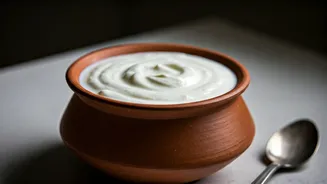
in India and across the South Asian diaspora, dahi is a staple made not in a factory but in the home. Its consistency is softer and lighter than the strained Greek variety, with a clean, tangy flavor that isn’t masked by fruit puree or artificial sweeteners. Unlike commercial yogurts, which are produced with specific, isolated bacterial strains for a uniform product, traditional dahi is made with a starter culture—a spoonful from a previous batch—that contains a unique and complex community of live microorganisms. This heirloom approach gives each family’s dahi a subtly different character, a taste of place and tradition that can’t be replicated on an industrial scale.
The Probiotic Powerhouse
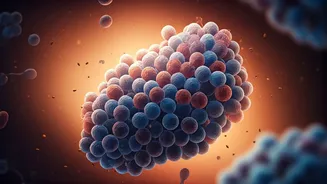
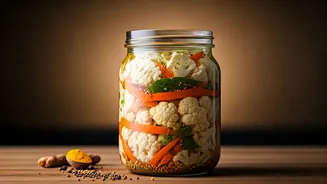
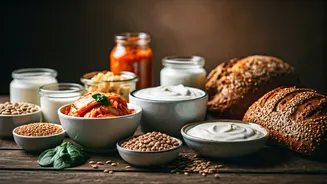
The wellness world is obsessed with the gut microbiome, and for good reason. A healthy gut is linked to better digestion, a stronger immune system, and even improved mood. This is where dahi truly shines. As a fermented food, it’s a natural source of probiotics—beneficial bacteria that help maintain a healthy balance in your digestive tract. The live cultures in homemade dahi work to support your gut lining and aid in the digestion of other foods. The process of fermentation also makes some of the nutrients in milk, like calcium and B vitamins, more easily absorbed by the body. While you can get probiotics from a pill, consuming them through a whole food like dahi provides a synergistic blend of protein, vitamins, and live cultures working together. It’s a simple, effective, and delicious way to nourish the trillions of microbes that call your gut home, no complex regimen required.
A Daily Ritual, A Taste of Home
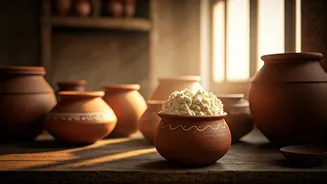
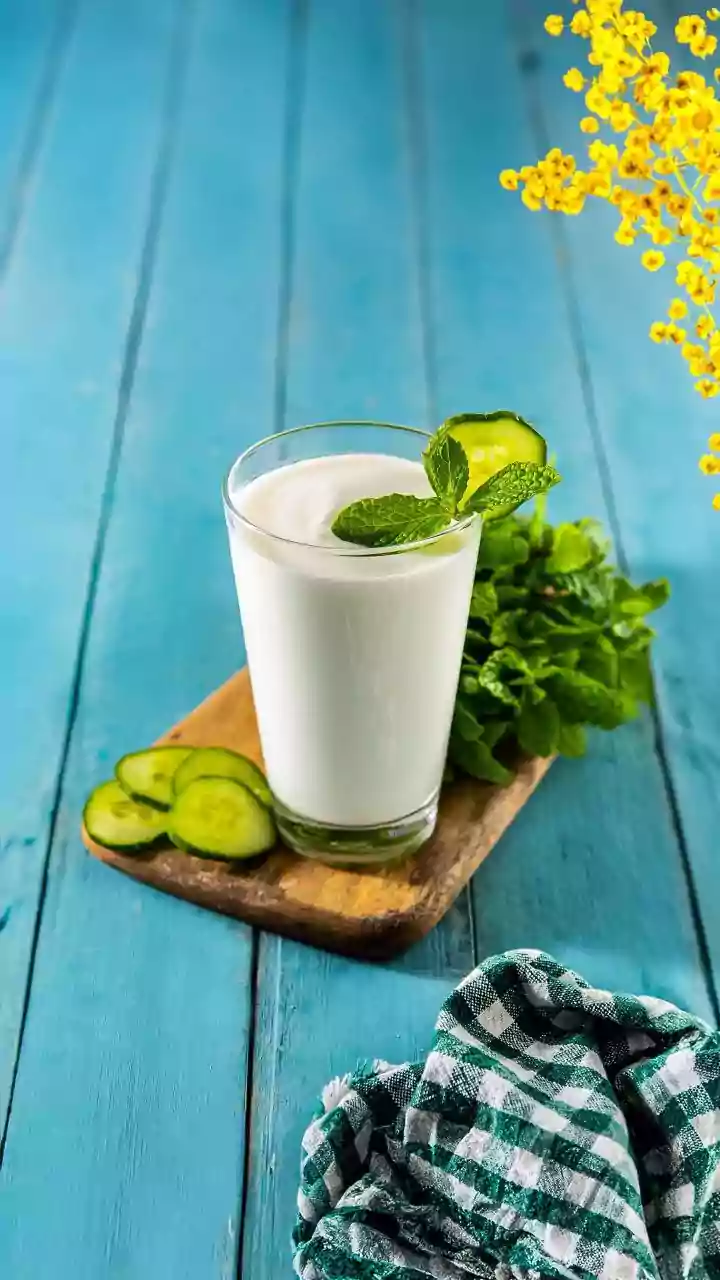
For millions of people in the Desi community, dahi is far more than a health food. It’s an essential, non-negotiable part of daily life. It’s the cooling element that balances a fiery curry, served in a small bowl alongside rice and dal. It's the base for raita, a savory dip mixed with grated cucumber, mint, or roasted cumin that tames the heat of spicy dishes. It’s whipped into a refreshing lassi on a hot afternoon or used to marinate meat, its enzymes tenderizing chicken for the tandoor. Seeing a pot of dahi setting on the kitchen counter is a deeply familiar and comforting sight. It represents continuity—a living culture passed down through generations. This connection transforms dahi from a mere ingredient into a ritual, a tangible link to family heritage and the flavors of home. It’s the simplicity of a food that does everything, a quiet constant in a fast-changing world.
Simple to Make, Simple to Love
Perhaps the most beautiful part of the dahi tradition is its accessibility. Making it at home demystifies fermentation and puts you in control. The process is elegantly simple: milk is gently heated and then cooled until it’s lukewarm—about the temperature of a baby’s bottle. A spoonful of starter culture from a previous batch (or a store-bought plain yogurt with live cultures, for your first time) is stirred in. The pot is then covered and left in a warm, undisturbed spot for several hours or overnight. In the morning, you’re greeted with a fresh, wobbly, perfectly set pot of dahi. There are no preservatives, no added sugars, and no plastic waste. This simple act of creation is empowering, connecting you directly to your food and a practice that has sustained families for centuries. It’s a quiet rebellion against the hyper-packaged, over-processed nature of modern food.