

Not Your Grandfather’s Log Cabin
When you hear “wood and stone,” it’s easy to picture a rustic, heavy-handed look: a knotty pine-paneled den or a hulking fieldstone fireplace better suited to a mountain lodge. But the current revival is anything but cliché. Today’s designers are using
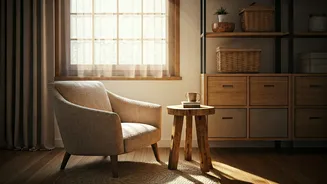
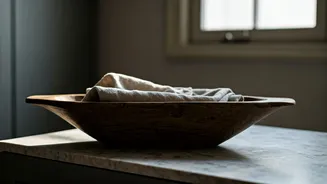
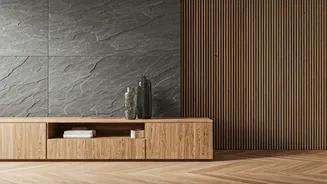
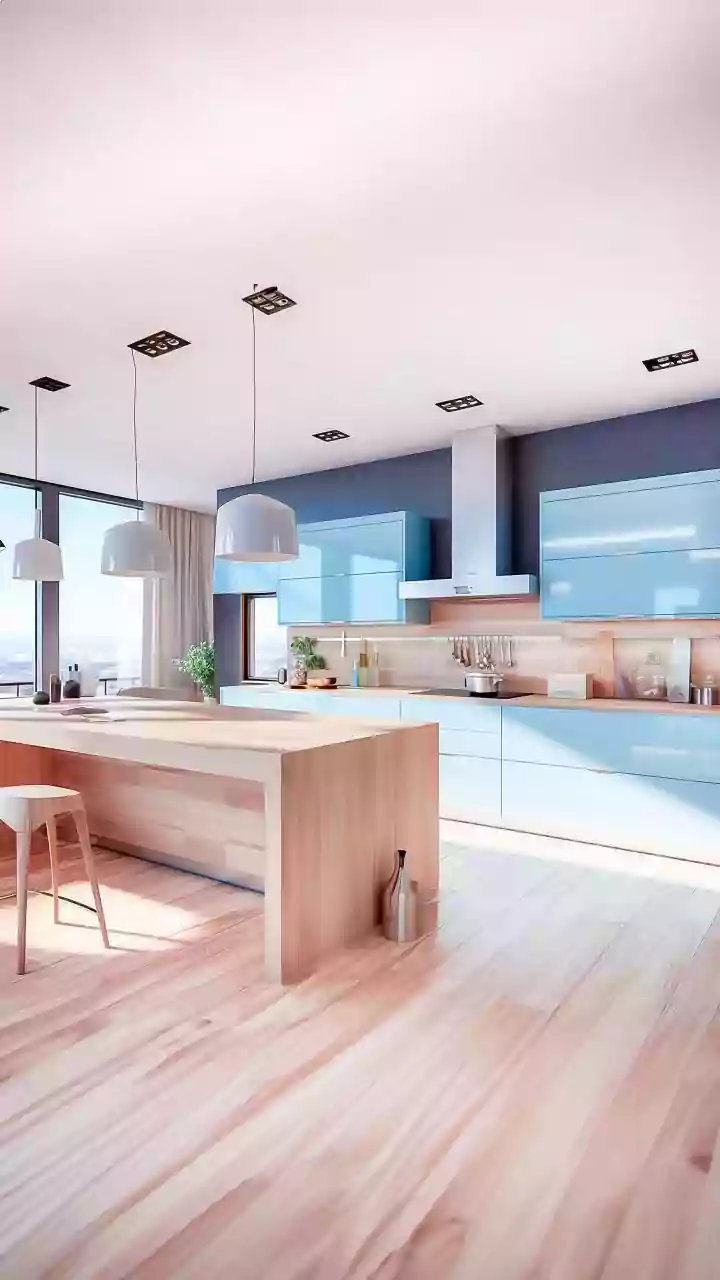
these materials with a surgeon’s precision and an artist’s eye. Think of a sleek, minimalist kitchen where the only ornament is the dramatic, deep-green veining in a marble backsplash. Picture a living room where a single, unadorned travertine coffee table serves as a sculptural centerpiece. This isn’t about creating a theme; it’s about leveraging the inherent beauty and texture of the materials themselves. We’re seeing fluted oak panels replacing drywall, rough-hewn stone sinks in powder rooms, and live-edge wood shelves that seem to float on air. The new look is sophisticated, restrained, and deeply intentional.
The Deep Craving for Authenticity
So, why now? The resurgence of stone and wood is a direct response to the world we live in. After years spent in increasingly digital, synthetic environments, we’re collectively experiencing a kind of sensory deprivation. Our fingers scroll on glass, our eyes stare at screens, and much of our furniture is mass-produced from materials with no story. This trend is rooted in a concept called biophilic design—the idea that humans have an innate need to connect with nature for their well-being. Bringing natural materials indoors is more than an aesthetic choice; it’s a form of self-care. The cool, solid feel of a stone countertop or the subtle scent of a wooden cabinet provides a grounding, tactile experience that plastics and laminates simply cannot replicate. It’s a quiet way of reintroducing a piece of the outside world into our personal sanctuaries, making them feel calmer, safer, and more real.
An Investment in Timelessness
This movement is also a quiet protest against the culture of “fast furniture”—cheap, trendy items designed to be replaced every few years. Stone and wood are honest materials. They are durable, they age gracefully, and they carry a sense of permanence. A solid oak dining table or a slate-floored entryway isn't just a purchase; it's an investment. These are pieces that can last for generations, acquiring a patina and a story over time. In a world obsessed with the new, there is a growing appreciation for things that endure. Choosing these materials is a vote for sustainability and longevity over disposability. It signals a shift toward a more considered, 'buy-it-for-life' mentality, where the goal is to create a home that evolves with you, not one that needs a complete overhaul with every changing trend.
The Art of Contrast: Raw Meets Refined
The real magic of this trend lies in its execution. The most compelling spaces are not monolithic temples of wood and stone. Instead, they masterfully play with contrast. The key is pairing these raw, earthy elements with something sleek, soft, or modern. Imagine a rough, chiseled stone accent wall as the backdrop for a plush velvet sofa. Or think of a highly-polished concrete floor warmed up with a richly textured wool rug. It’s the tension between opposites that creates visual interest and emotional depth. A raw-wood beam looks even more rustic when set against a crisp, white ceiling. A smooth marble island feels even more luxurious when surrounded by warm, handmade ceramic accessories. This interplay of textures—hard and soft, rough and smooth, ancient and modern—is what keeps the look from feeling dated and elevates it into something truly dynamic and personal.