

First, What Exactly Is Chaat?
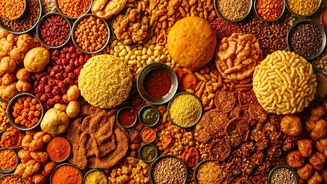
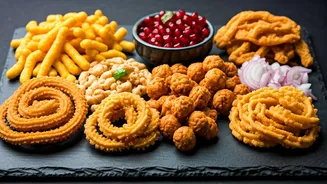
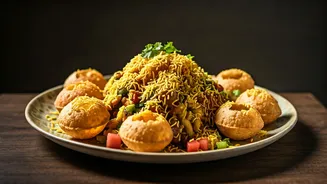
Chaat isn’t a single dish; it's a whole category of savory snacks that deliver a sensory explosion. The word itself comes from the Hindi verb 'chaatna,' meaning 'to lick,' which perfectly captures its finger-licking-good quality. Most chaat dishes start
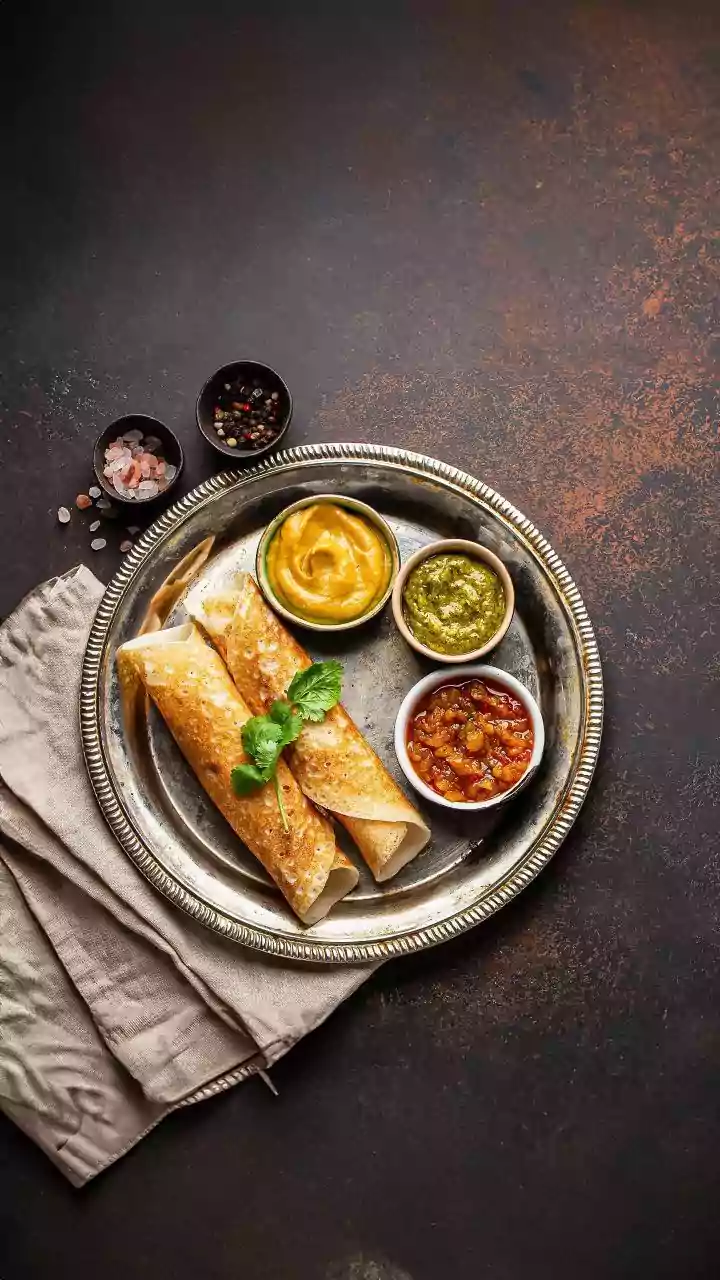
with a crunchy base—like a fried cracker (papdi), a potato patty (aloo tikki), or a hollow puff (pani puri). Then come the layers. Think tender chickpeas or potatoes, a cooling yogurt (dahi), a sweet-and-sour tamarind chutney, a vibrant green cilantro-mint chutney, and a final dusting of chaat masala—a pungent, funky spice blend featuring amchur (dried mango powder) and kala namak (black salt). It’s this masterful layering of texture and taste that makes chaat so addictive. It’s not just food; it’s an event in your mouth.
The Craving Goes Mainstream
So why is this specific craving suddenly influencing Frito-Lay’s competitors? The answer lies in the evolution of the American palate. For years, 'global flavors' often meant a simplified, one-note version of a complex cuisine—think sweet-and-sour sauce or a generic 'curry powder.' But today’s consumers are more sophisticated. Driven by a growing and influential South Asian diaspora, the popularity of food-focused social media, and a post-pandemic desire for culinary adventure at home, shoppers are actively seeking authenticity and complexity. They don’t just want 'spicy'; they want the nuanced heat of a specific chili, balanced by the tang of tamarind. Chaat, with its signature sweet, sour, spicy, and savory profile, is the perfect answer to this demand. It offers a bold, exciting flavor journey that stands in stark contrast to the familiar profiles of salt-and-vinegar or sour-cream-and-onion.
Deconstructing Flavor for the Snack Aisle
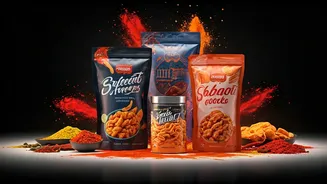
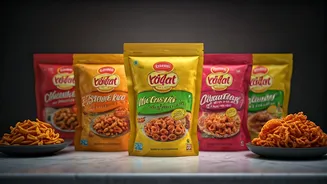
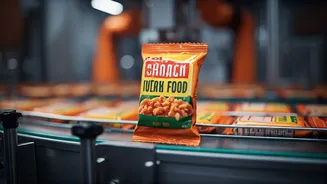
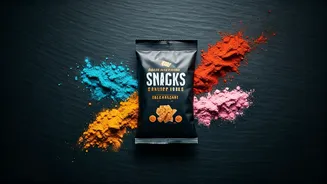
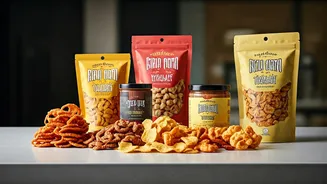
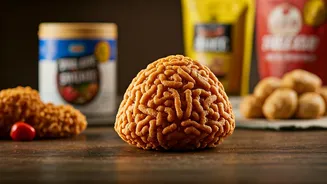
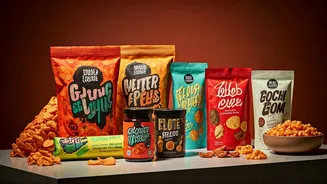
Food giants and nimble startups are taking notice, but translating a multi-component street food into a single, shelf-stable product is a challenge. You can't exactly put yogurt-soaked crackers in a bag. Instead, brands are deconstructing chaat and borrowing its most compelling elements. The most common approach is flavor-dusting. Potato chips, lentil crisps, and chickpea puffs are now appearing in 'Masala' or 'Tamarind' varieties, using the core notes of chaat masala to deliver that tangy, savory kick. You can see this in products like Peatos' 'Fiery Masala' curls or various brands' masala-flavored popcorn. Another strategy is to re-imagine the components. Instead of a wet chutney, companies create dry seasoning blends. Instead of fresh yogurt, they offer a savory, spiced yogurt dip. Brands like Deep Indian Kitchen and Saffron Road have been pioneers, introducing Americans to these flavor profiles through frozen meals and, increasingly, snacks that echo the chaat experience.
More Than Just Chips
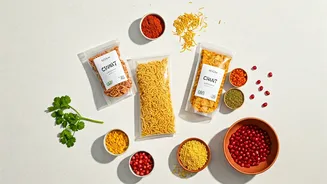
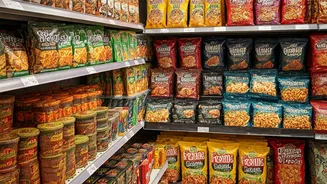
The trend is evolving beyond just flavoring existing snack formats. We're now seeing the core components of chaat being packaged for at-home assembly. Grocery stores in major cities are stocking bags of 'puri' (the hollow shells for pani puri) alongside jars of tamarind and mint chutneys, creating DIY chaat kits. This represents a deeper level of consumer engagement, inviting people to participate in the creation of the dish. Furthermore, the flavor logic of chaat—the artful balance of opposites—is influencing other categories. You might find a 'spicy tamarind' simmer sauce for chicken or a 'chaat masala' vinaigrette for salads. This demonstrates that the trend isn't just about mimicking a single snack, but about adopting a whole flavor philosophy that can be applied across the kitchen. It’s a sign that these once-niche tastes are becoming part of America's everyday flavor toolkit.