






The Air Changes, and So Do We
The first sign is sensory. You step outside in the morning, and for the first time in months, the air has a texture. It’s thin, clean, and carries the scent of dry leaves instead of blooming honeysuckle. This change triggers a switch in our brains that
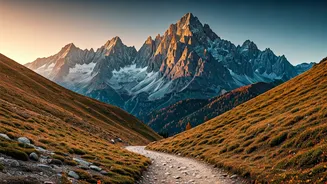
is more profound than a simple preference for sweater weather. Summer’s heat is oppressive, forcing us indoors to the hum of air conditioning. It’s a season of seeking relief. But the first cool snap is an invitation to come back outside, to engage with the world on new terms. The mountain trip becomes the ultimate expression of this re-engagement. It’s a pilgrimage to the source of that crispness, a desire to be fully immersed in the very thing that has altered our daily experience. It’s a response to a signal from the planet that a great change is underway, and we feel compelled to go witness it up close.
A Call to Something Primal
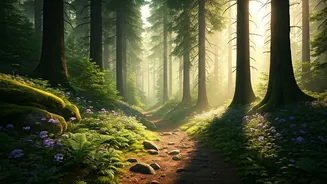
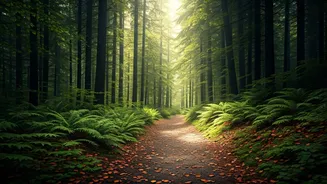
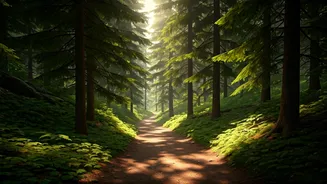
Why does this urge feel so non-negotiable? Psychologists and biologists might point to “biophilia,” our innate tendency to connect with nature. But it feels deeper, almost ancestral. Autumn is historically a season of gathering and preparation. As the days shorten and the landscape transforms, our DNA seems to remember a time when this meant storing food, seeking shelter, and taking stock before the lean months of winter. A mountain trip in the fall taps into this primal rhythm. The act of hiking a ridge, surrounded by the vibrant decay of the forest, feels like a modern form of foraging—not for nuts and berries, but for perspective and peace. We are gathering moments of clarity, stocking up on tranquility to get us through the coming indoor season. The panoramic views from a summit aren't just pretty; they feel essential, providing a sense of scale that puts our small, modern anxieties in their place.
The Quiet After Summer’s Roar
Let’s be honest: summer can be exhausting. It’s a season of social obligation—barbecues, beach trips, weddings, and a relentless pressure to have fun in the sun. It’s loud, crowded, and outward-facing. The cool air of autumn brings with it a collective sigh of relief and a permission slip for introspection. The desire for a mountain trip is, in part, a rejection of summer's social chaos. It’s a trade-in: swapping crowded beaches for quiet trails, loud patios for the sound of wind in the pines, and sprawling group chats for the company of a chosen few, or perhaps no one at all. The mountain becomes a sanctuary. It’s a place where the main event is the quiet grandeur of the landscape, not another scheduled activity. This retreat isn’t antisocial; it’s restorative. It’s the balance we need after a season spent performing for others.
More Than Just Pretty Leaves
Of course, the spectacle of fall foliage is a huge part of the appeal. The transformation of a green hillside into a tapestry of crimson, gold, and orange is one of nature’s greatest performances. But the feeling that a mountain trip is “necessary” goes beyond the visual. It’s about the silence of a forest floor blanketed in leaves, the satisfying crunch under your boots, and the way the low-angled sun filters through the thinned-out canopy. It’s about the feeling of cold air in your lungs on a strenuous ascent and the warmth of a flask of coffee at the summit. The mountains in fall offer a full sensory experience that grounds you in the present moment. Unlike the fleeting satisfaction of a filtered photo for social media, this experience is visceral and lasting. It recalibrates your senses and reminds you of a world that operates on a timescale far grander than our own.