

The Rise of the Living Pantry
For years, the ideal kitchen was all about stainless steel, granite countertops, and high-tech appliances. But a quieter, greener revolution is taking place just outside the sliding glass door. The concept of 'balcony greens' reframes a small outdoor
space not as an afterthought, but as a functional, living extension of your kitchen. Imagine snipping fresh basil for your pasta sauce, grabbing a handful of mint for a mojito, or harvesting crisp lettuce for a salad, all within seconds of needing them. This isn't just gardening; it's about creating a hyper-local, zero-waste pantry that delivers unparalleled flavor and freshness. It connects the act of cooking with the satisfaction of growing, turning a simple meal into a more mindful and delicious experience.
Your Non-Intimidating Starter Kit
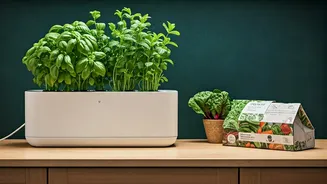
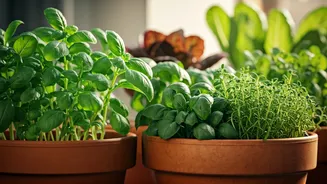
Getting started is simpler and cheaper than you think. You don't need a sprawling yard or a degree in horticulture. Your basic setup includes just a few key items. First, containers. Anything with drainage holes will work, from classic terracotta pots to fabric grow bags or railing planters that save floor space. Second, the right soil. Opt for a quality potting mix specifically designed for containers, as it's lighter and provides better drainage than garden soil. Finally, your plants. You can start from seeds, which is rewarding but slower, or buy 'starters'—small, young plants from a local nursery—for a significant head start. A small watering can or a self-watering planter completes your kit. The goal is to start small and make it manageable.
The Easiest Edibles for Beginners
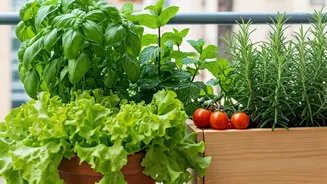
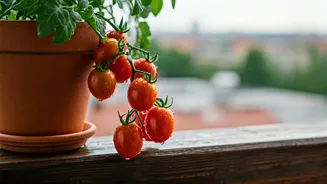
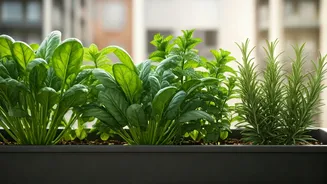
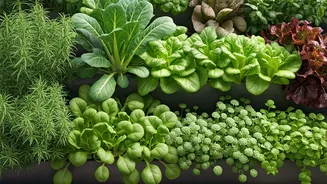
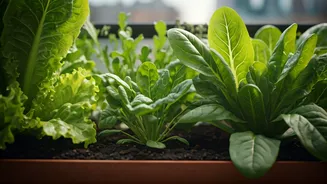
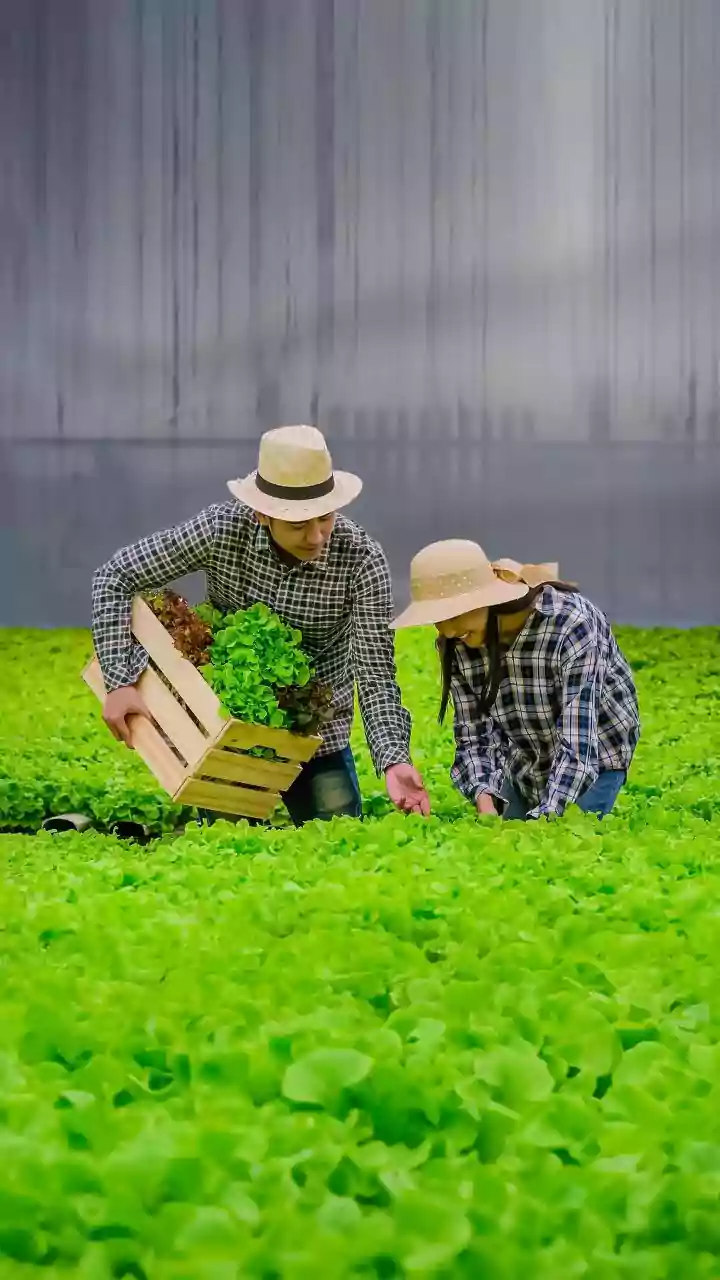
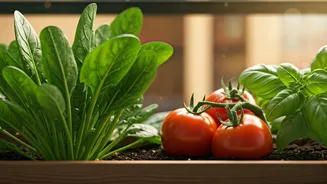
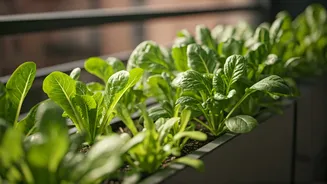
The key to success is choosing plants that are forgiving and deliver a big flavor payoff. Herbs are the undisputed champions of the balcony garden. Basil, mint, rosemary, thyme, and chives are incredibly resilient and grow prolifically in pots. A single mint plant can provide enough for drinks and dishes all summer. For leafy greens, look for 'cut-and-come-again' varieties of lettuce, spinach, and kale. You can harvest the outer leaves, and the plant will continue producing from the center. If you have a bit more sun and space, a single cherry tomato plant in a large pot can be incredibly productive and rewarding, yielding sweet, sun-ripened fruit that tastes nothing like its grocery store counterpart.
From Balcony to Plate in 30 Seconds
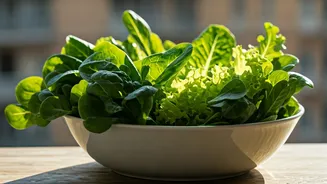
The real magic happens when you start incorporating your harvest into daily meals. This is where the 'kitchen upgrade' becomes tangible. A boring salad is transformed by a mix of fresh, tender lettuces. A simple grilled chicken breast becomes a gourmet meal when topped with fresh-chopped rosemary and thyme. Even a glass of water feels luxurious with a sprig of fresh mint and a slice of lemon. Having these ingredients on hand encourages culinary experimentation and reduces food waste—you snip only what you need, so there are no more half-used bunches of herbs wilting in your refrigerator's crisper drawer. It fundamentally changes your approach to cooking, making freshness the default setting.
Maximizing Your Small Space
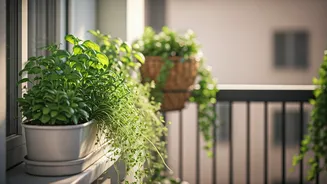
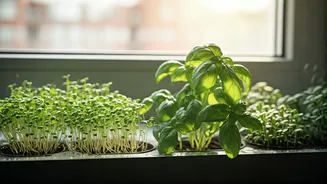
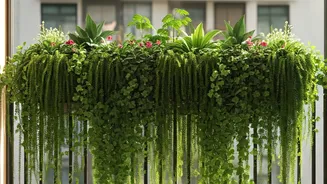
Don't let a tiny footprint deter you. The most innovative balcony gardens are born from constraints. Vertical gardening is your best friend. Stacked planters, wall-mounted pockets, or simple shelving units can multiply your growing area without taking up valuable floor space. Use your railings to hang planters for herbs and flowers. Consider trellises for vining plants like peas or certain types of beans to grow upwards. Even a sunny windowsill can host a small herb collection. By thinking vertically and using clever container solutions, you can create a surprisingly lush and productive garden on even the smallest of urban balconies.