


An Auspicious Day in an Extra Month
So, what exactly is Parama Ekadashi? In the Hindu lunisolar calendar, an extra month, known as ‘Adhik Maas’ or ‘Purushottam Maas,’ is added roughly every three years to keep the calendar aligned with the solar cycle. This month is considered especially
sacred. Within this special month falls Parama Ekadashi, a day dedicated to devotion, prayer, and seeking blessings from Lord Vishnu. Like other Ekadashis, which occur twice a month, it’s traditionally a day of fasting. But for many observers, the 'fast' is less about total abstention and more about a profound dietary reset, swapping out everyday foods for a specific, spiritually pure menu that is both delicious and incredibly simple.
The Fast That’s Actually a Feast
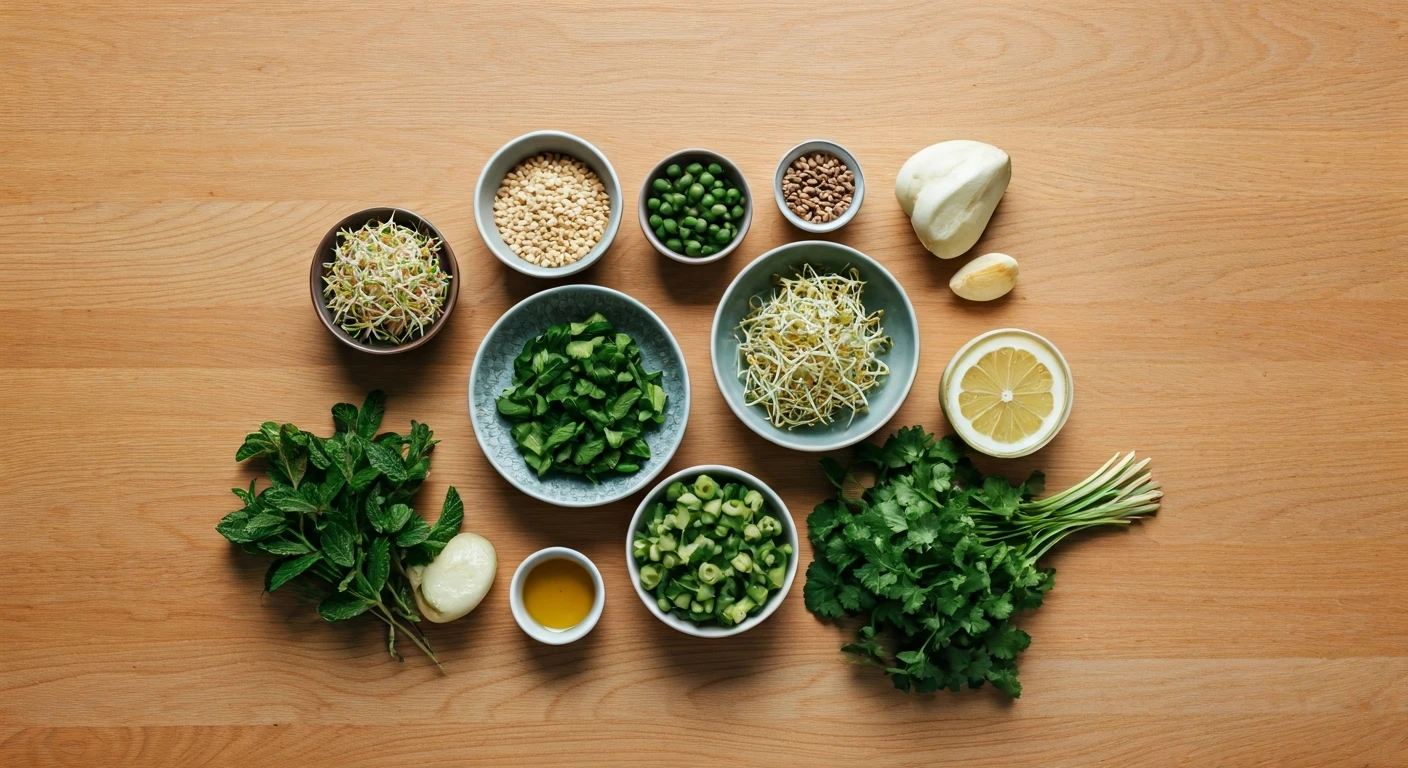
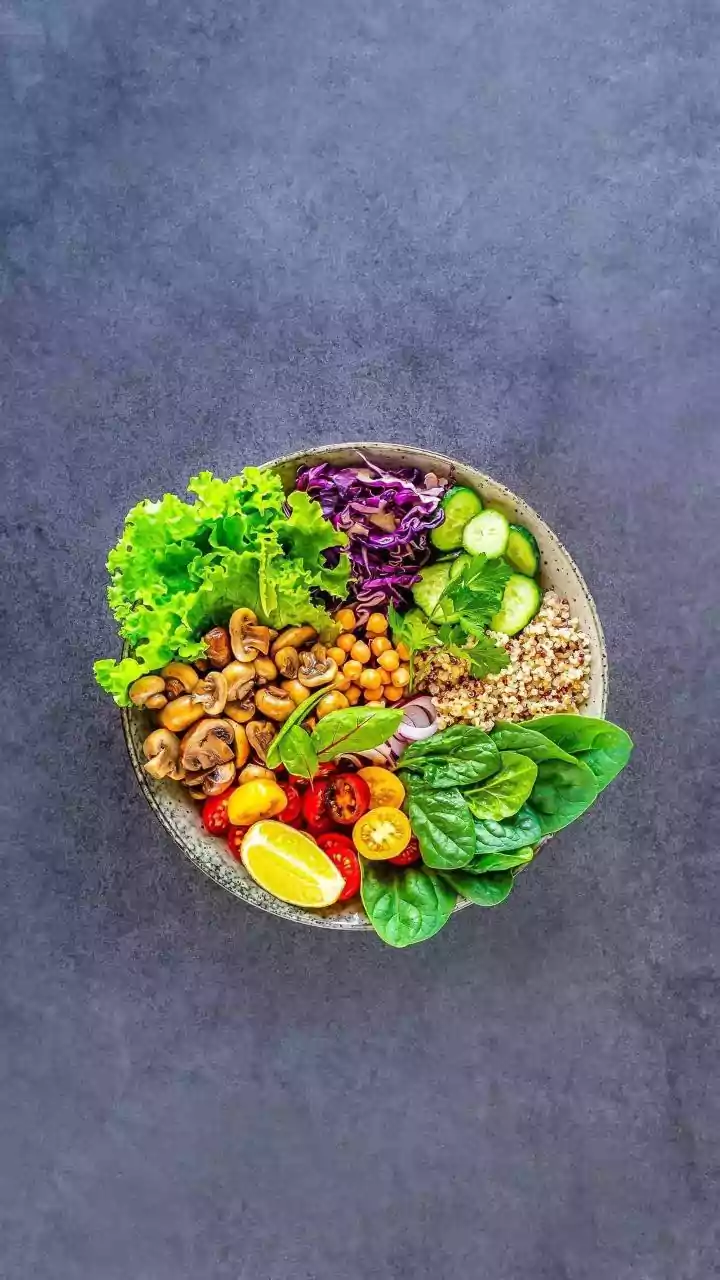
The key to understanding the food of Parama Ekadashi lies in the concept of ‘vrat ka khana,’ or fasting food. The rules are straightforward: no grains (like wheat and rice), no lentils, and no onions or garlic. For an American home cook, this might sound incredibly restrictive, like taking away the building blocks of most savory meals. But this is where the creativity and simplicity shine. Instead of deprivation, the focus shifts to a whole different category of ingredients that are light, easy to digest, and considered ‘sattvic’—a term in yoga and Ayurveda for foods that are pure, essential, and energy-giving. This isn’t about starving; it’s about eating mindfully, with ingredients that calm the body and focus the mind on spiritual pursuits.
The Humble Stars of the Plate
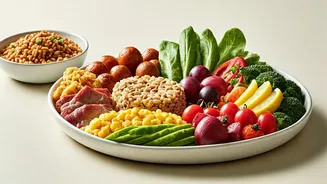
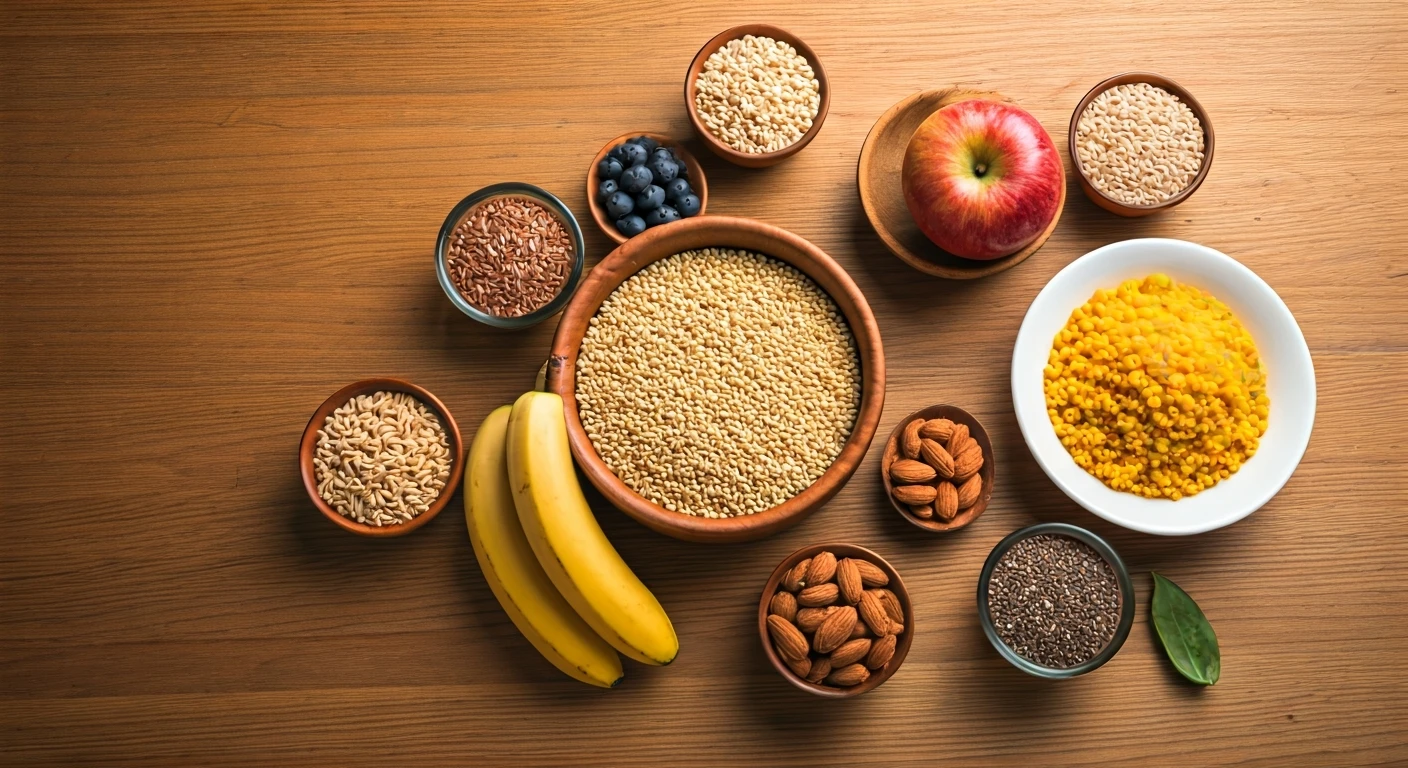
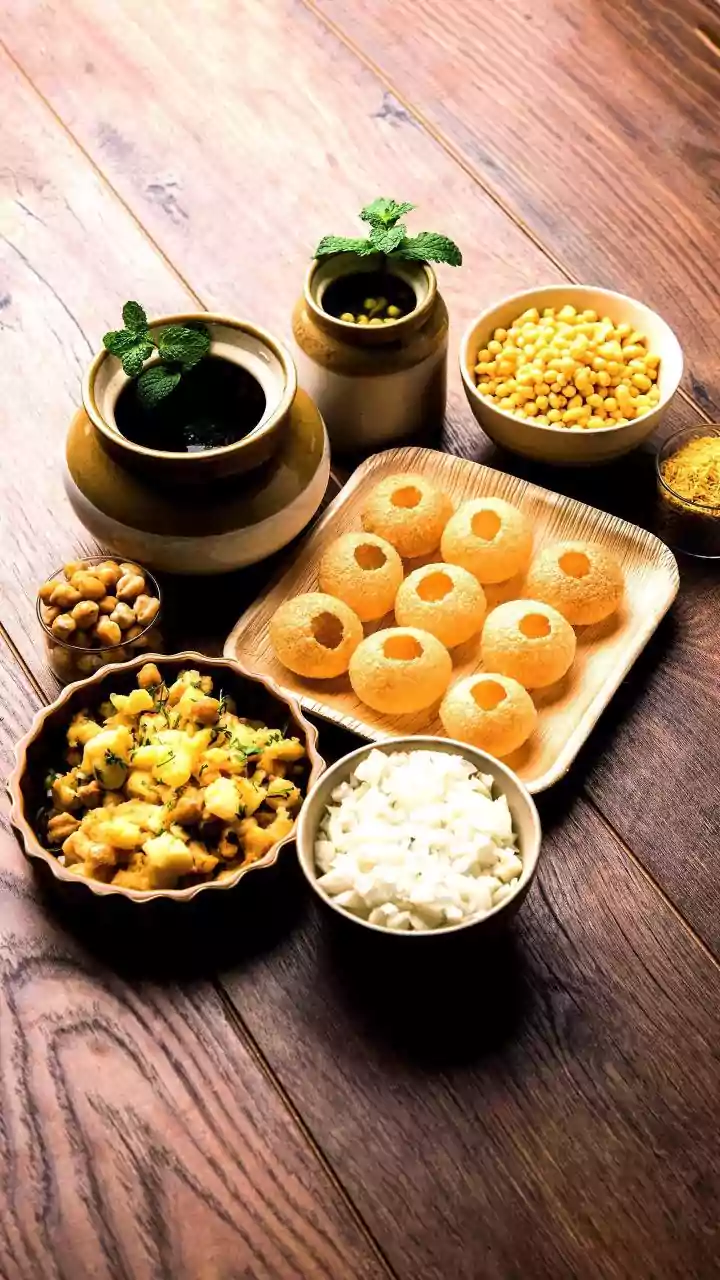
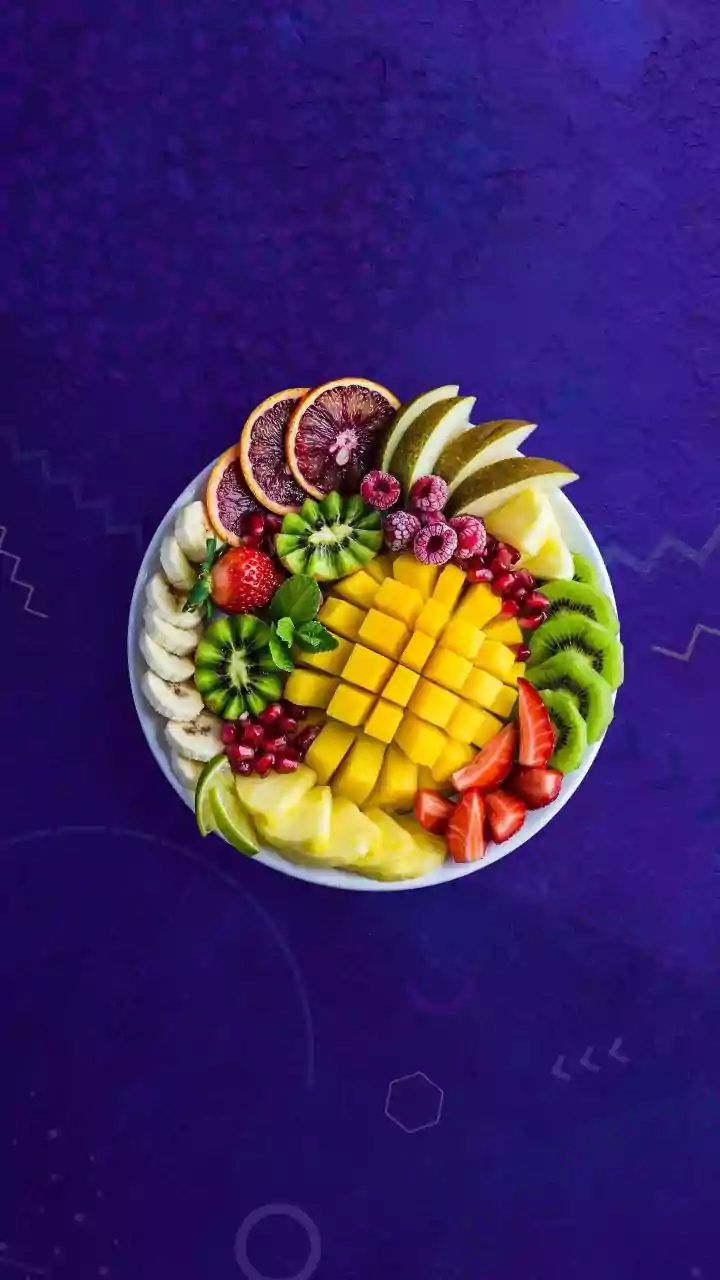
The pantry for Parama Ekadashi is where the ‘simple’ in the headline really comes to life. The star ingredient is often sabudana (tapioca pearls), used to make a light, fluffy, and savory pilaf-style dish called Sabudana Khichdi, studded with peanuts and potatoes. Potatoes, yams, and sweet potatoes are staples, often simply boiled and spiced or turned into crispy patties. Flours are made from buckwheat (kuttu), water chestnut (singhara), or amaranth (rajgira), which are used to make light, unleavened breads called puris or rotis. The rest of the menu is rounded out with the purest foods of all: fresh fruits, milk, yogurt, and nuts. There’s no complex sauce, no multi-day brine, and no fighting for oven space. The dishes are cooked quickly with minimal spices—typically just rock salt, black pepper, ginger, and green chilies.
Why Simplicity Is the Real Celebration
When you compare a Parama Ekadashi meal to a Thanksgiving spread, the contrast is stark. One is a maximalist explosion of flavors and textures that leaves you happily stuffed on the couch. The other is a minimalist meditation on purity and restraint. The beauty of Ekadashi food is that its simplicity is the entire point. By removing the clutter of complex ingredients and cooking methods, the celebration becomes less about culinary performance and more about inner reflection. It frees up time and energy for prayer, family, and self-care. It proves that festive eating doesn't have to be a project-managed, three-day affair. It can be as simple as a bowl of fruit and yogurt or a plate of perfectly seasoned potatoes, enjoyed with gratitude and a clear mind.