



Go Beyond the Banana
For decades, the banana has been the undisputed king of smoothie creaminess. It’s sweet, affordable, and effective. But it can also be overpowering, dominating the flavor profile and adding a significant sugar load. This year, it’s time to expand your
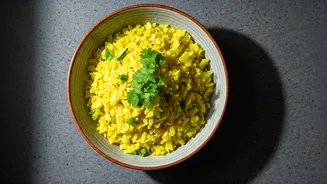
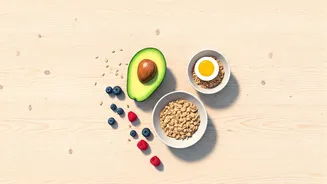
base. For a truly neutral, thick, and creamy foundation, turn to frozen vegetables. A handful of frozen riced cauliflower or steamed-then-frozen zucchini will vanish into your blend, adding bulk and a velvety texture with zero veggie taste. Seriously. For a richer, more decadent feel, a quarter of a ripe avocado provides healthy fats and a pudding-like consistency that’s perfect for smoothie bowls. These additions not only help you sneak in more nutrients but also let the flavors of your berries, mangoes, or peaches truly shine through.
Build a Smarter Protein Punch
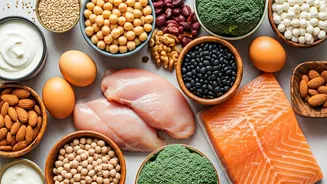
If your smoothie is meant to be a meal, it needs staying power. The easiest way to achieve that is with protein, but that doesn't mean you're doomed to chalky, artificially flavored powders. Whole-food protein sources blend just as easily and provide a more balanced nutritional profile. Plain Greek yogurt is a classic for a reason, offering a tangy flavor and a serious protein boost. For a dairy-free option, silken tofu creates an incredibly smooth texture. A tablespoon or two of nut butter, hemp hearts, or chia seeds not only adds protein but also healthy fats and fiber, which work together to keep you full and satisfied long past breakfast. This approach turns your smoothie from a light snack into a legitimate, energizing meal replacement.
Master the Art of the Boost
A good smoothie is fruit and liquid. A great smoothie has depth and a little something extra. This is where “boosts” come in. These are small additions that pack a big nutritional or flavorful punch. A knob of fresh ginger can add a spicy, warming kick that beautifully complements stone fruit or pineapple. A half-teaspoon of turmeric, paired with a pinch of black pepper to aid absorption, provides potent anti-inflammatory benefits. For an earthy, nutrient-dense addition, spirulina or other green powders can elevate your green smoothie. Even simple pantry staples like cinnamon, which helps regulate blood sugar, or a dash of high-quality vanilla extract can transform a boring blend into a gourmet experience. Start with small amounts and find the combinations that you love.
Fix Your Texture and Technique
Is your smoothie gritty, too thin, or full of un-blended chunks of kale? The problem might not be your ingredients, but your technique. The order in which you add ingredients to the blender pitcher matters. A good rule of thumb is to go from softest to hardest: start with liquids at the bottom, then add soft ingredients like yogurt or fresh greens, followed by fruits and vegetables, and finally, the hardest frozen ingredients and ice on top. This creates a vortex that pulls the solid items down into the blades, resulting in a smoother blend. Also, don't be afraid to let your blender run. Give it a solid 60-90 seconds to fully pulverize everything. If it's too thick, add liquid a tablespoon at a time; too thin, toss in a few more pieces of frozen fruit or a couple of ice cubes.
Prep for Grab-and-Go Success
The best smoothie habit is one you can actually stick to, and morning chaos is the enemy of consistency. The solution is the make-ahead smoothie pack. Take out a few zip-top freezer bags on a Sunday afternoon. Into each bag, portion out all of your solid ingredients for a single smoothie: the frozen fruit, the kale or spinach, the chia seeds, the protein powder, and any boosts. Squeeze out the air, seal them, and line them up in your freezer. In the morning, all you have to do is dump the contents of one bag into your blender, add your liquid of choice, and blend. It’s a five-minute process that delivers a fresh, perfectly portioned smoothie with almost no effort or cleanup, making it just as convenient as any drive-thru option.