

So, What Exactly Is Poha?
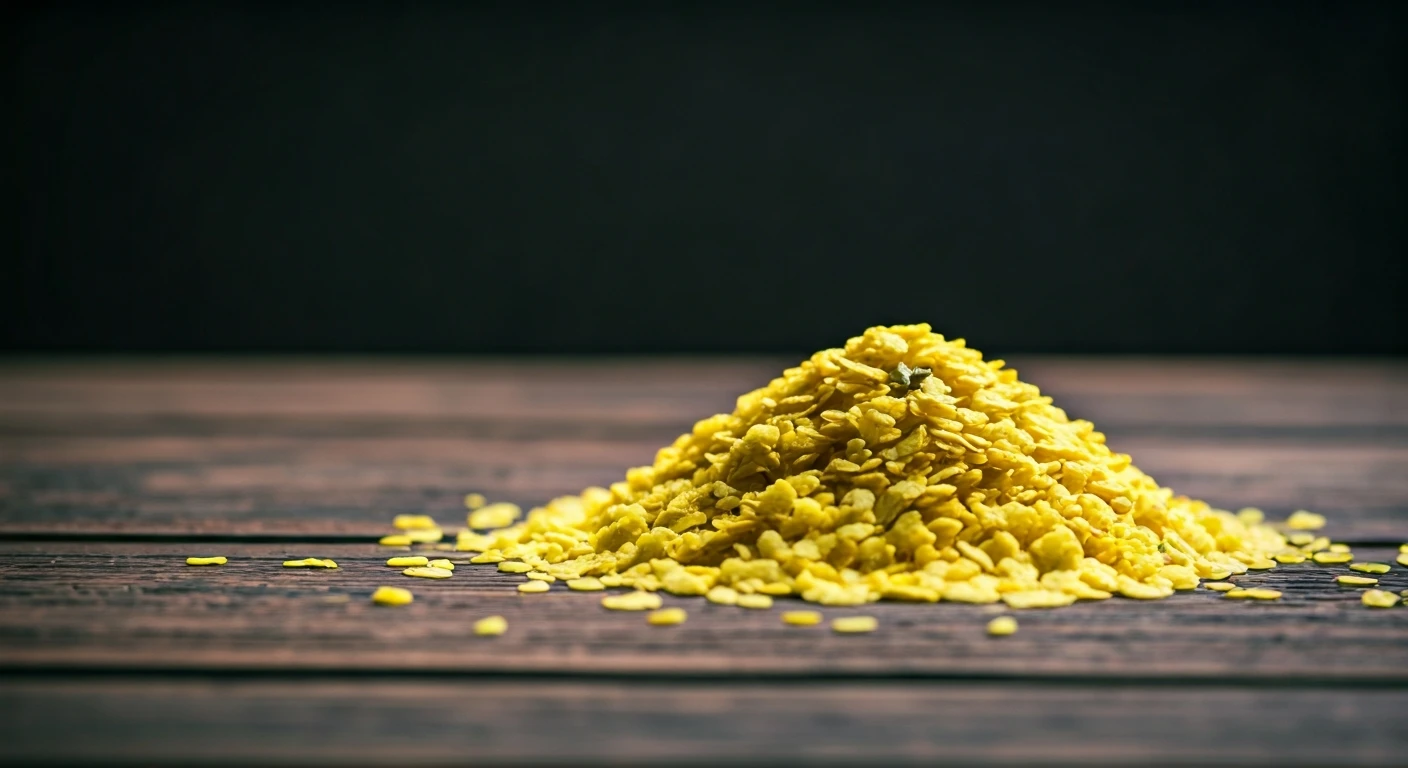
Before you can appreciate the celebration, you have to meet the star of the show. Poha (pronounced PO-ha) isn't a grain itself, but a product. It’s made from rice that has been parboiled, flattened into thin, light flakes, and dried. Think of it like
the Indian equivalent of rolled oats, but with a fluffier, more delicate texture when prepared. When you buy a bag of poha from an Indian grocery store, you’re holding a canvas. These ivory-colored flakes are bland on their own, but they have a superpower: they absorb moisture and flavor almost instantly, transforming from brittle sheets into a tender, satisfying base in minutes. Unlike regular rice, it requires no lengthy boiling or soaking—just a quick rinse is usually enough to get it ready for the pan.
The Classic: Breakfast in Five Minutes
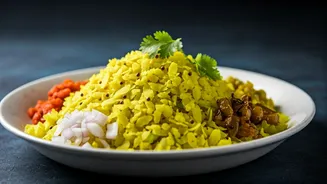
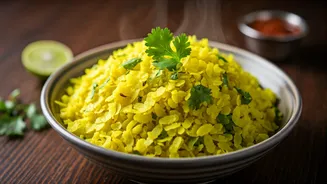
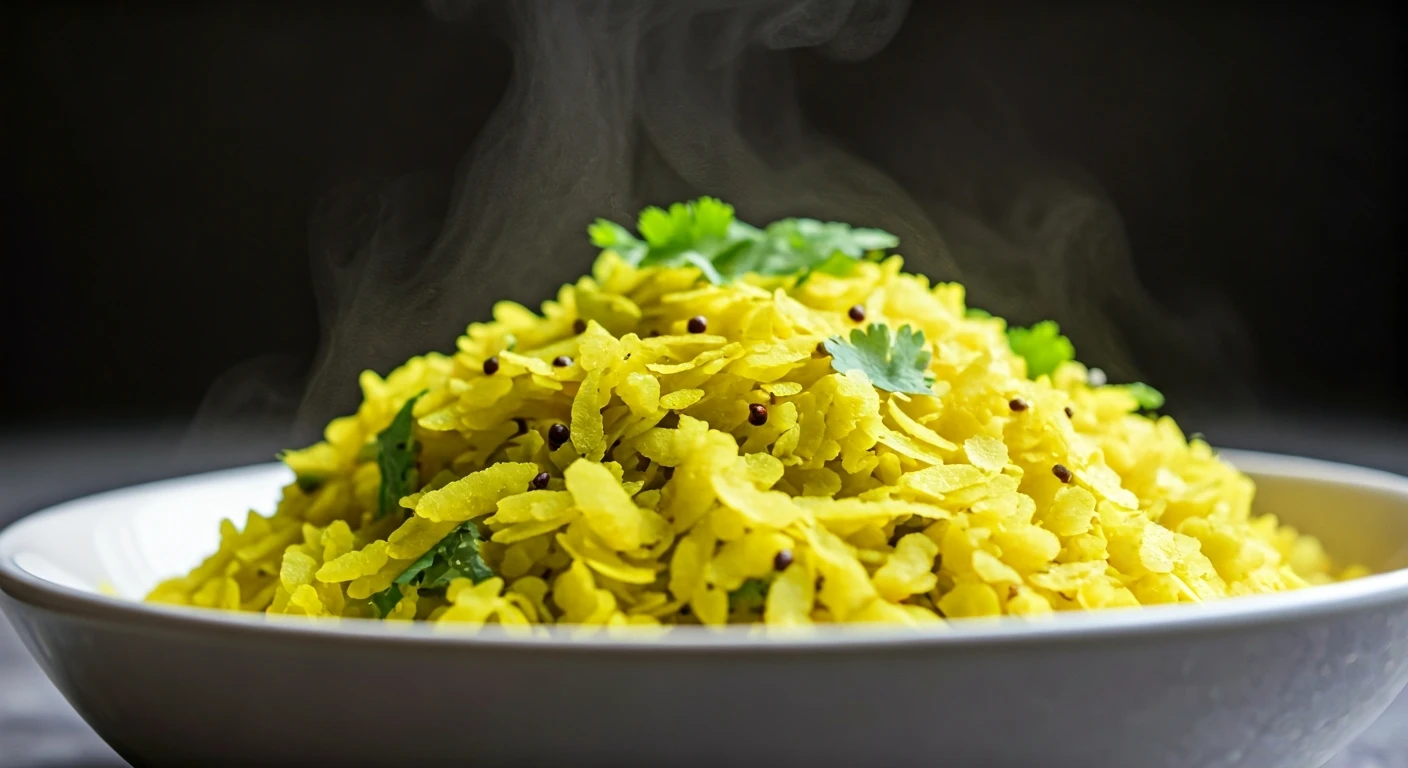
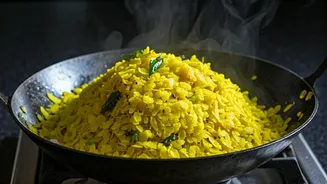
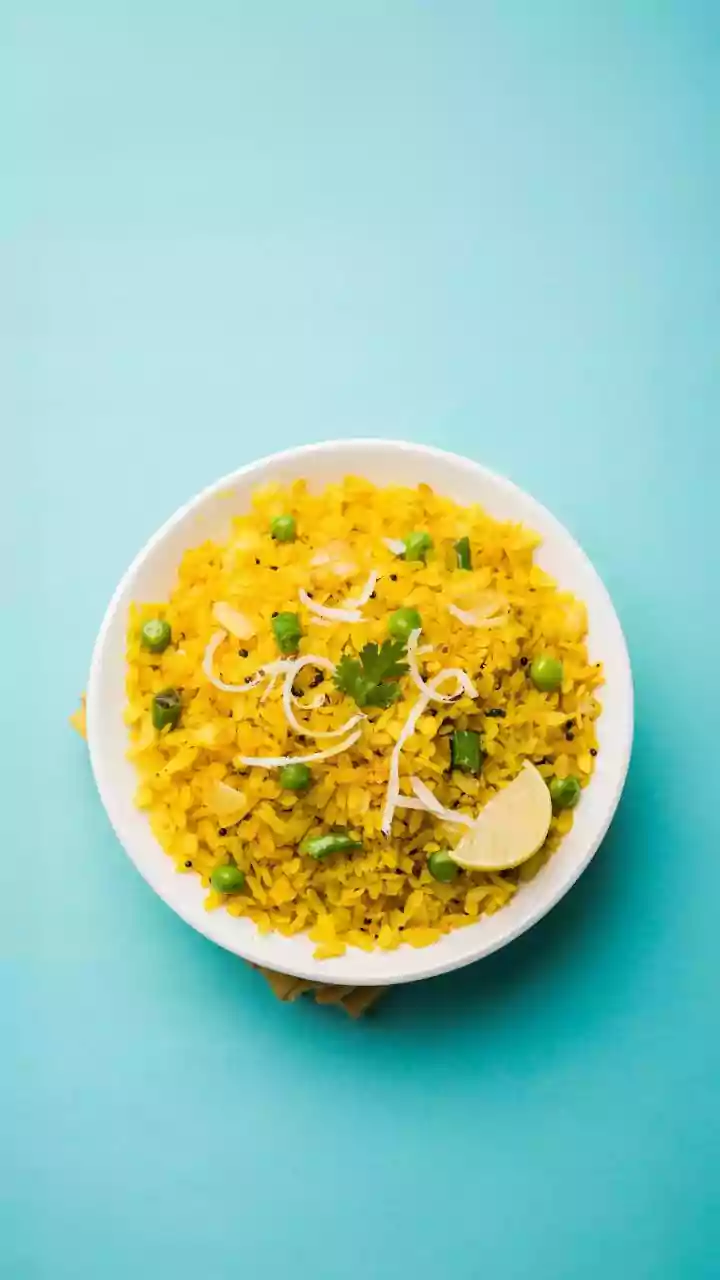
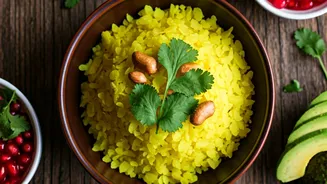
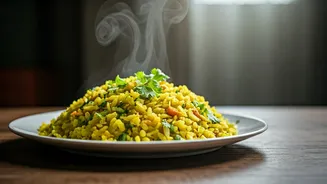
The most common introduction to poha for anyone, in India or abroad, is *Kanda Poha*. This classic breakfast dish from the state of Maharashtra is the culinary equivalent of a warm, reliable friend. The process is a masterclass in efficiency. You start by tempering spices: popping mustard seeds, fragrant curry leaves, and perhaps some peanuts and green chilies in hot oil. Sautéed onions (*kanda*) are added for sweetness, and a pinch of turmeric gives the dish its signature sunny-yellow hue. The rinsed, softened poha flakes are tossed in, absorbing all the aromatic flavors. A minute or two later, it’s done. Finished with a squeeze of fresh lime juice and a sprinkle of cilantro, it’s a savory, tangy, and deeply satisfying meal that comes together faster than you can make a pot of coffee. It’s light enough not to weigh you down but substantial enough to power you through the morning.
The Ultimate Shape-Shifter
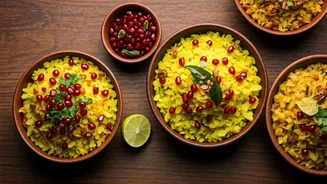
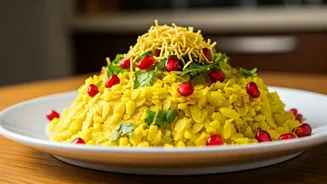
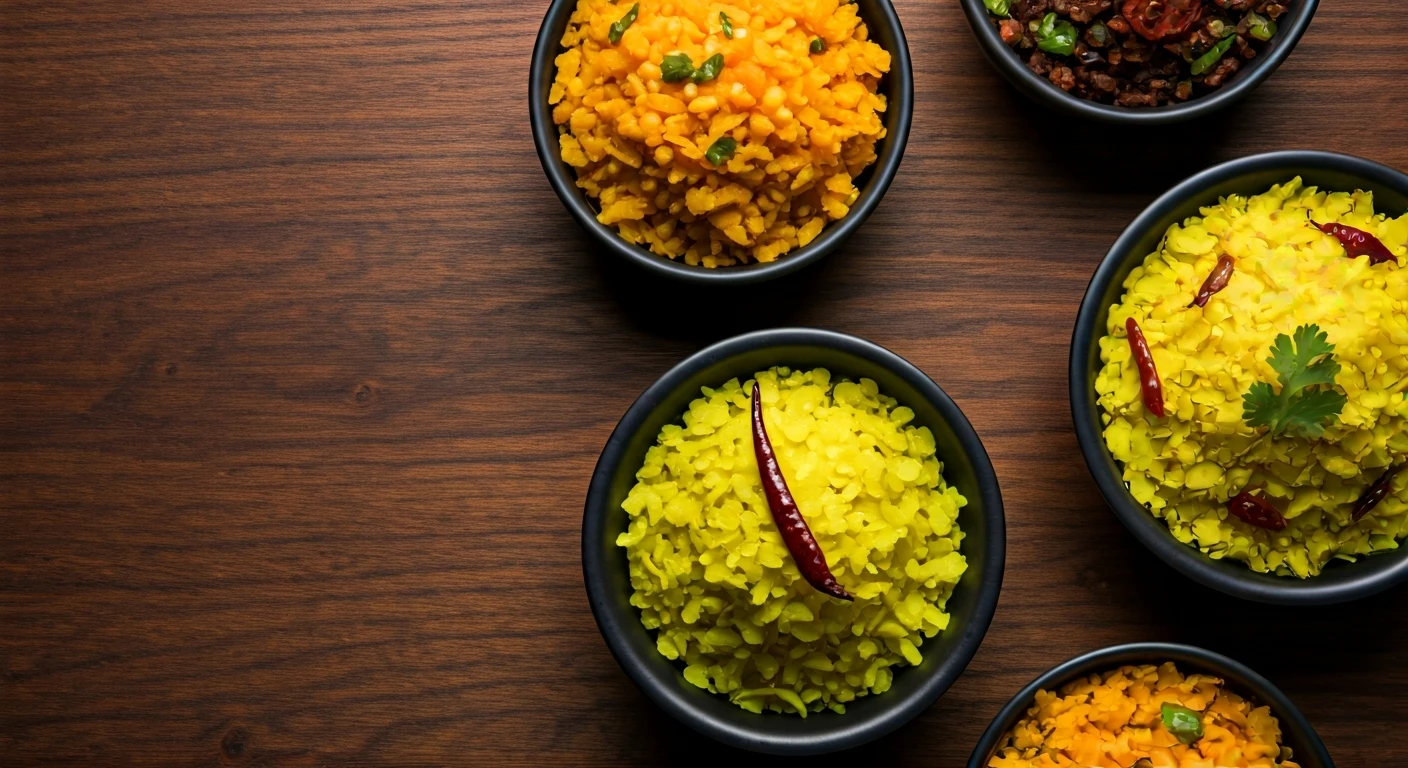
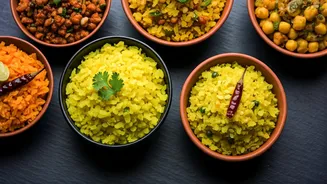
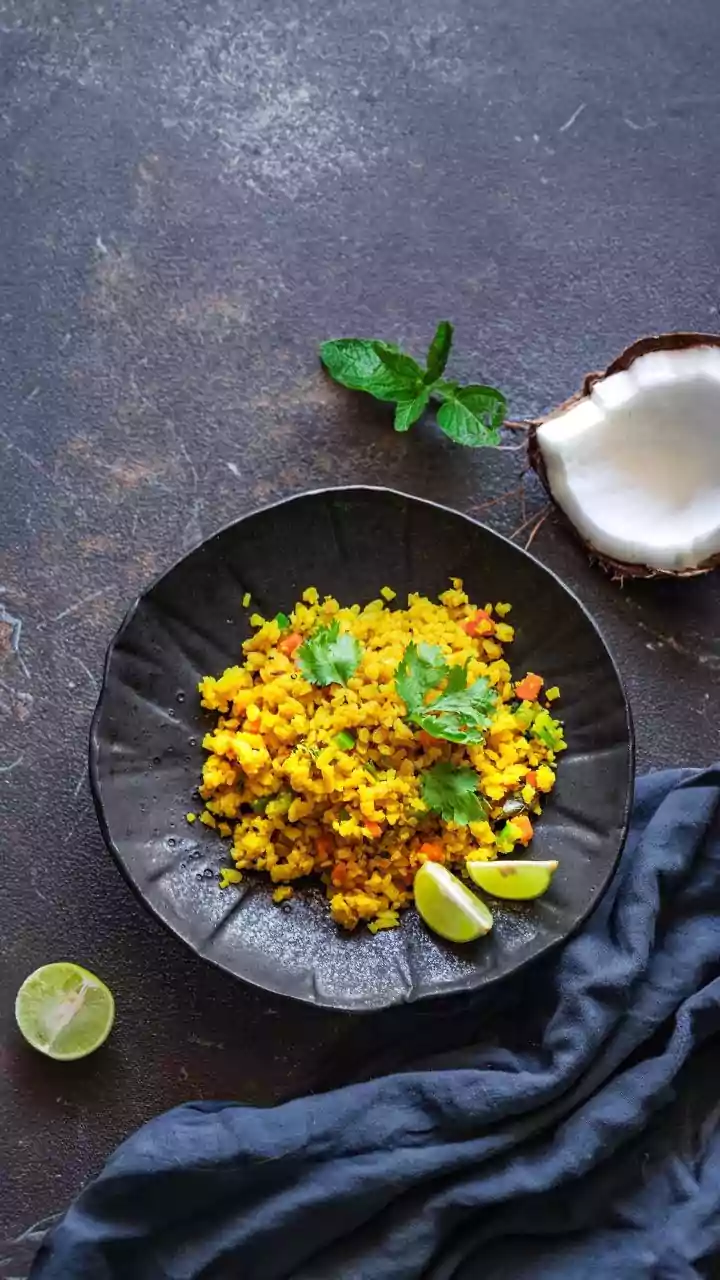
The headline’s claim of “most versatile” isn’t just hyperbole; it’s a reflection of poha’s incredible adaptability across India’s diverse culinary landscape. Head to the city of Indore in central India, and you’ll find *Indori Poha*, a regional legend topped with a sweet and savory mix of fennel seeds, crunchy sev (fried chickpea noodles), and pomegranate seeds. In Maharashtra, *Dadpe Poha* is a no-cook marvel, where the flakes are mixed with freshly grated coconut, onions, and spices, and left to soften in their own juices—a perfect summer salad. In the south, it’s used to make savory patties or added to batters for dosas and idlis to make them crispier and softer. It can be a light breakfast, a hearty brunch, a teatime snack, or even a base for a sweet pudding. Poha can be whatever you need it to be.
A Day Born From Local Pride
So why does this snack get its own day? World Poha Day, observed on June 7th, is a relatively new phenomenon born out of immense local pride. The tradition reportedly began in Indore, a city so famous for its street food that it’s often called the food capital of central India. Poha is not just a dish there; it's a cultural institution, available on every street corner from dawn till dusk. The day started as a social media campaign by enthusiasts and local businesses to honor this culinary heritage. It quickly gained traction, becoming a day for people to share photos of their homemade poha, for restaurants to offer specials, and for the city of Indore to celebrate its most iconic export. It’s a grassroots tribute to a food that is simple, affordable, nutritious, and loved by millions.