



The 30-Second Time Machine
They call it “snackable content” for a reason. Short-form videos on platforms like TikTok, Instagram Reels, and YouTube Shorts are designed for quick, satisfying consumption. But while much of this content is new—dances, challenges, comedy skits—a huge
and disproportionately successful category is built on resurrecting the past. It’s the grainy theme song to a Saturday morning cartoon you haven’t thought about in 25 years. It’s a supercut of fashion from a high school movie set in 2003. It’s a POV video of someone walking through a Blockbuster video store. Each clip, often lasting less than a minute, doesn’t just show you something old; it acts as a tiny, potent time machine, instantly transporting you to a different era of your own life. The power isn’t in the quality of the clip, but in the immediacy of the feeling it evokes. For creators and marketers, this isn’t just a fun trip down memory lane; it’s one of the most reliable ways to stop a user’s endless scroll.
Why Our Brains Crave a Throwback
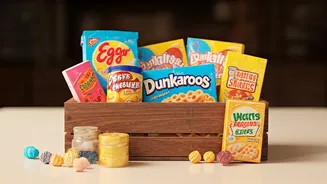
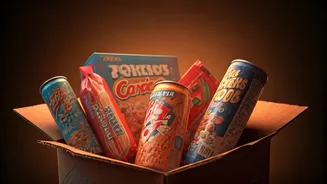
The pull of nostalgia is more than just a wistful sigh; it's a powerful psychological phenomenon. Research has shown that nostalgic feelings can counteract loneliness, boredom, and anxiety. When we engage with media from our youth, our brains release dopamine, the same neurochemical associated with pleasure and reward. It creates a comforting, low-stakes sense of security. In a world that often feels chaotic and uncertain, a reminder of a simpler time—or at least, a time we’ve retrospectively simplified—is incredibly soothing. Nostalgia provides a sense of continuity, connecting our current selves to our past in a neat, unbroken line. It tells us: “You’ve been through things, you have a history, you are part of a shared story.” When a video about Dunkaroos or dial-up internet goes viral, it’s not just because people miss the product; it’s because thousands of people are simultaneously affirming a shared, comforting memory, creating a fleeting but powerful sense of community.
The Algorithm Knows Your Childhood
If nostalgia is the fuel, then social media algorithms are the hyper-efficient engines. These platforms are designed with one primary goal: to keep you watching. They rapidly learn what content elicits an emotional response from you—a like, a comment, a share, or even just pausing your scroll for a few extra seconds. Nostalgia is a cheat code for engagement. When you interact with one video about a 2000s-era cell phone, the algorithm correctly infers that you have a positive association with that period. It then serves you more: the fashion, the music, the movies, the commercials. This creates a powerful feedback loop. Creators, seeing that nostalgia-driven content performs exceptionally well, produce more of it. The algorithm, in turn, pushes that content to users it knows will respond. You’re not just randomly stumbling upon these memories; a sophisticated system is curating and delivering them directly to you because it knows, with startling accuracy, that the soundtrack to your high school prom is a guaranteed hit.
From Personal Memory to Marketing Gold
This trend has not been lost on the business world. What began as an organic user-generated phenomenon has become a core marketing strategy. Brands are constantly mining their own archives for old logos, packaging, and jingles to resurrect for new campaigns. Hollywood is dominated by reboots, sequels, and prequels that bank on audiences’ pre-existing affection for established characters and worlds. On social media, this is even more direct. Companies like McDonald's brought back their Halloween Pails, and Pepsi revived Crystal Pepsi, all fueled by years of online chatter and nostalgic longing. Influencers build entire careers on unboxing vintage toys or reviewing forgotten fast-food items. The secret ingredient of snack content has become the main course for a significant portion of the attention economy. It proves that the most valuable intellectual property isn't always something new; sometimes, it’s a memory that an entire generation already shares.