







1. Ignoring Your Wiper Blades All Year
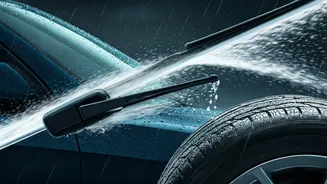
This is the most common mistake, and it starts long before the first raindrop falls. Intense, year-round sun in desert climates cooks the rubber on your wiper blades, making them brittle, cracked, and useless. When that first torrential downpour hits,
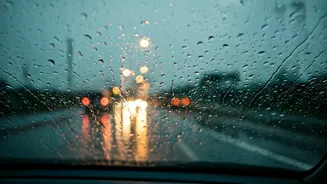
you switch them on only to find they do nothing but smear dirt and water across your windshield, creating a dangerous visibility hazard. Don't wait for the rain to discover your wipers are shot. Inspect them every few months by running your finger along the rubber edge. If it feels hard, chipped, or doesn't flex easily, replace them. Consider silicone blades, which are more resistant to UV damage and last longer in high-heat environments. A fresh pair of wipers is one of the cheapest and most effective safety investments you can make.
2. Underestimating Your Tire Tread
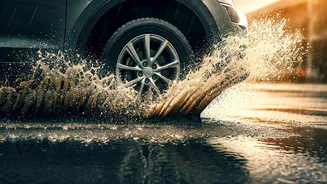
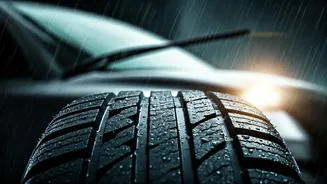
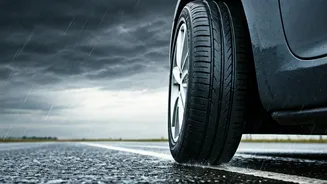
After months of dry weather, roads accumulate a slick film of oil, rubber particles, and grime. The first rain of the season lifts this film, creating exceptionally slippery conditions. This is where your tire tread becomes critical. Worn tires can't channel water away effectively, leading to hydroplaning—where your car essentially floats on a thin layer of water, causing a complete loss of steering and braking control. Use the penny test: place a penny with Lincoln's head upside down in your tire tread. If you can see all of his head, your treads are too shallow and it's time for new tires. Also, check your tire pressure regularly. In fluctuating monsoon temperatures, pressure can change, affecting handling and fuel economy.
3. Forgetting About Air Filters
Monsoons aren't just about rain; they're often preceded by powerful dust storms, or haboobs, that can engulf entire cities in a wall of dirt. Your car has two important air filters that take a beating. The engine air filter prevents dust and debris from getting into your engine, and a clogged one can reduce horsepower and fuel efficiency. More importantly for you, the cabin air filter cleans the air coming into the passenger compartment. After a dust storm, this filter can become saturated with fine particulate matter. If you notice a musty smell or reduced airflow from your A/C vents, a dirty cabin filter is the likely culprit. Replacing it is a simple job that dramatically improves the air quality inside your car.
4. Treating a Flooded Wash Like a Puddle
Every year, drivers in monsoon regions get caught in flash floods, often by attempting to cross a flooded wash or underpass. It's a fatal miscalculation. It takes only six inches of moving water to knock an adult off their feet, and just a foot of water can float many vehicles. You have no way of knowing how deep the water is or how fast it's moving, and the road beneath could be washed away entirely. Emergency services have a clear and simple rule: "Turn Around, Don't Drown." It’s not a suggestion; it’s a command. No destination or errand is worth risking your life. If you encounter a flooded roadway, stop, turn around, and find an alternate route.
5. Neglecting Your Battery
Extreme heat is a battery killer. The high temperatures common in the months leading up to monsoon season can accelerate the degradation of your car's battery. While it may start your car just fine during the hot, dry days, the increased electrical load from running your wipers, headlights, and defroster during a dark, rainy commute can be the final straw for a weakened battery. Before the season starts, have your battery's health checked at an auto parts store or by your mechanic—most places will do it for free. They can tell you if it’s holding a proper charge. Also, make sure the terminals are clean and free of corrosion, which can interfere with the electrical connection.
6. Relying on Cruise Control in the Rain
Cruise control is a fantastic feature for long, dry highway drives, but it's a significant hazard in the rain. The system's job is to maintain a constant speed. If your car begins to hydroplane, the cruise control will sense the wheels slowing down and may actually try to accelerate to maintain speed, which is the exact opposite of what you should do. This can exacerbate the skid and make it much harder to regain control. When the roads are wet, turn cruise control off. Keep your foot on the pedal so you can respond instantly to changing conditions and feel how the car is interacting with the road.