





The Instagram-to-TikTok Pipeline
If the Millennial fitness boom was documented with Facebook albums of muddy obstacle courses and marathon finish lines, the Gen Z approach is broadcast in 15-second TikToks. The visual nature of social media has fundamentally changed what kind of exercise
gets glorified. A long, grueling run is hard to capture compellingly. A personal record on a deadlift, however, is a perfect, bite-sized piece of content: a clear before-and-after, a moment of triumph, and a quantifiable achievement. Platforms like Instagram and TikTok are flooded with 'fitfluencers' who build their brands not on endurance, but on aesthetics and raw power. They share workout splits, form tips, and nutrition advice, making strength training—once seen as the intimidating domain of bodybuilders—feel accessible, aspirational, and community-driven. The algorithm rewards this content, creating a powerful feedback loop that places lifting at the center of online fitness culture.
Redefining a “Healthy” Body
This shift isn't just about what looks good on camera; it’s tied to a broader evolution in how young adults define health. For decades, mainstream fitness was dominated by a cardio-centric, weight-loss-oriented mindset. The goal was often to be smaller, thinner. Running, with its high calorie burn, was the default prescription. Today, the conversation has changed. There's a growing emphasis on being strong, capable, and functional. Building muscle is now framed as an act of self-care and empowerment, not just vanity. It’s associated with improved metabolism, bone density, and mental resilience. This aligns with a cultural move away from diet culture and toward body neutrality and strength for all body types. The goal is less about fitting into a certain size and more about what your body can *do*. Lifting a heavy weight is a tangible, empowering demonstration of that capability.
A Reaction to the Endurance Era
Every generation tends to react to the one before it, and fitness is no exception. The 2000s and 2010s saw the democratization of the marathon. Signing up for a 26.2-mile race became a bucket-list goal for millions of amateur athletes, a testament to mental fortitude and discipline. But the immense time commitment, high cost of entry, and punishing physical toll of endurance training may have created a void for a different kind of fitness to fill. For a generation juggling side hustles, demanding schedules, and a desire for immediate feedback, strength training offers a different value proposition. A highly effective workout can be done in 45 minutes. Progress is measurable week to week. It can be done at a commercial gym, in a garage, or with a few key pieces of equipment at home. While running certainly hasn't disappeared, its status as the default 'serious' fitness activity has been challenged by a more efficient, aesthetically driven, and arguably more empowering alternative.
Knowledge Is Power (Literally)
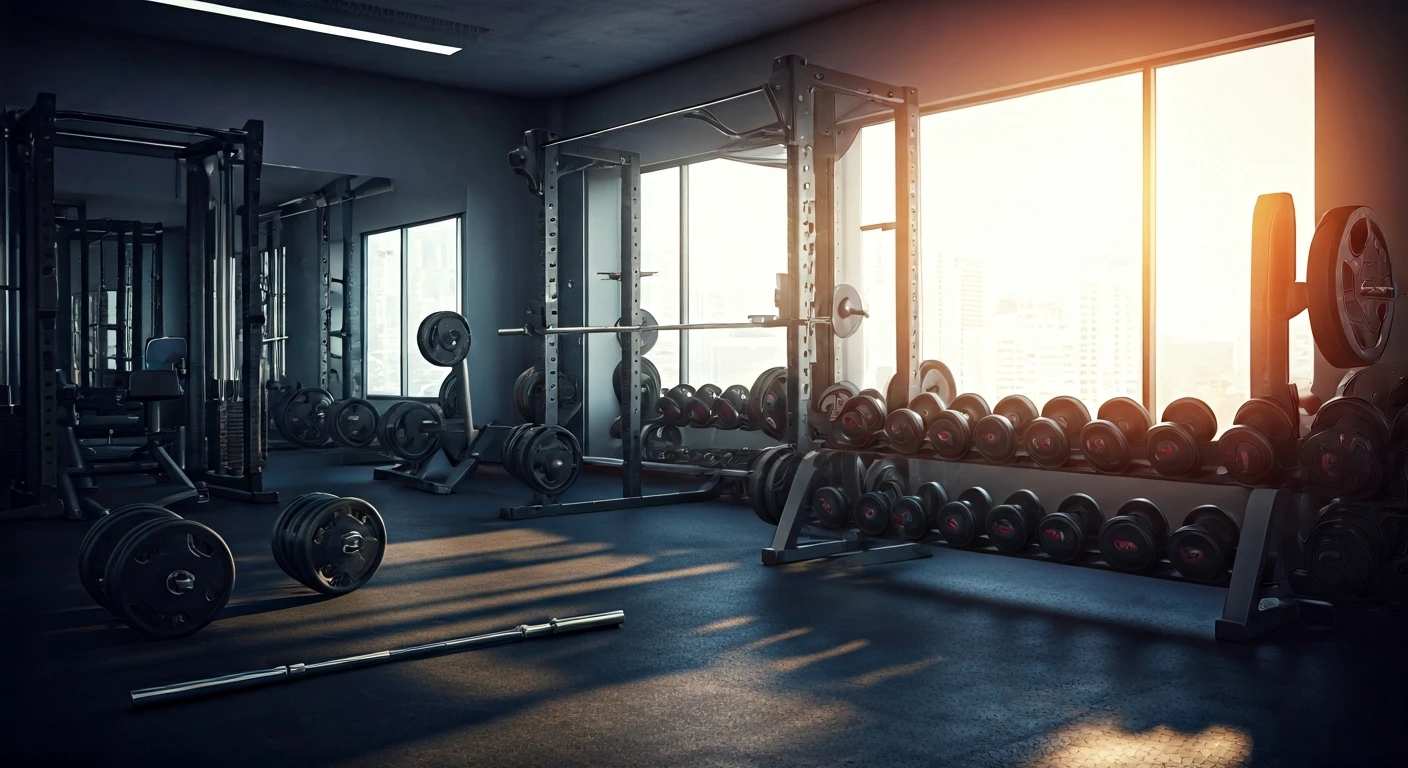
Getting into strength training used to be intimidating. You’d walk into a weight room dominated by grunting veterans and feel completely lost. That barrier to entry has crumbled. The same digital tools that popularize lifting also democratize the knowledge needed to do it safely and effectively. Fitness apps provide structured programs, YouTube channels offer detailed form breakdowns for every conceivable exercise, and online communities provide support and accountability. You no longer need to hire an expensive personal trainer to learn how to squat or bench press properly. This explosion of accessible information has empowered a new wave of lifters to walk into the gym with confidence. They arrive with a plan, a basic understanding of progressive overload, and a community in their pocket, turning the once-daunting weight room into their personal playground.