


The Rise of the Leftover ‘Glow-Up’
The humble leftover is having a major moment. Driven by a perfect storm of rising grocery prices, a desire to reduce food waste, and the endless scroll of aspirational social media feeds, Americans are no longer just reheating their food—they’re reinventing
it. The “leftover glow-up” is about seeing the dregs of last night’s roast chicken or pasta not as a burden, but as a head start on a new, exciting meal. It’s a mindset shift from mere reheating to active reimagining, treating day-old components with the same creative respect you’d give to fresh ingredients. This isn't about saving a few bucks at the expense of flavor; it's about culinary resourcefulness as a form of art.
Technique 1: Deconstruct and Rebuild
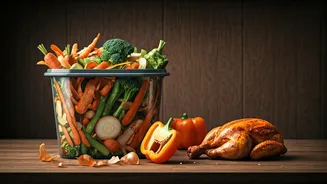
The first rule of the premium leftover is to break the original dish down into its core components. Instead of microwaving a slab of lasagna, savvy cooks are scooping out the cheesy filling to stuff into a bell pepper, or using a slice as a rich base for a new pasta sauce. That leftover steak? Don’t just warm it up. Slice it thinly against the grain and it becomes the star of a steak salad with a zesty vinaigrette, steak tacos with fresh pico de gallo, or a Philly-style cheesesteak sandwich. By seeing leftovers as a collection of ingredients rather than a finished plate, you open up a world of possibilities beyond the microwave.
Technique 2: The Art of Re-Plating
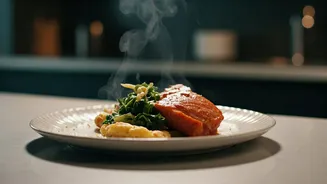
We eat with our eyes first, and nothing screams “sad leftover” like a mismatched pile of food slumped on a plate. The premium approach is all about presentation. It means taking the time to plate with intention. Imagine a scoop of leftover chili. Instead of just plopping it in a bowl, picture it artfully placed in the center, surrounded by a dollop of sour cream or Greek yogurt, a sprinkle of sharp cheddar cheese, some finely chopped red onion, and a scattering of fresh cilantro. It’s the same chili, but the care taken in its presentation elevates the experience from a hasty refuel to a deliberate, enjoyable meal. Proper plating makes it feel new, even if the flavors are familiar.
Technique 3: The Power of a Fresh Contrast
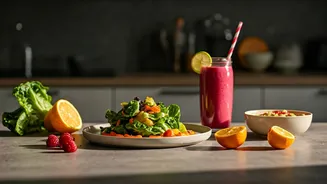
Reheated food often suffers from a single textural note: soft. The secret to making it feel vibrant and new is to introduce a contrasting texture and temperature. Add something crunchy, something fresh, something acidic. That leftover curry or stew can be completely revitalized by a shower of crunchy roasted peanuts, a handful of fresh herbs like basil or mint, and a big squeeze of lime juice right before serving. Leftover roasted vegetables? Toss them into a fresh salad with a crispy lettuce base and a bright, acidic dressing. This simple step cuts through the monotony of reheated food and tricks your brain into thinking you’re eating something made completely from scratch.
Technique 4: When in Doubt, Add an Egg
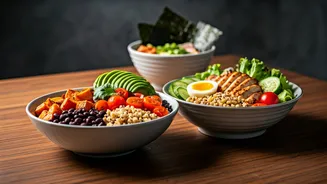
It’s the oldest trick in the book for a reason: putting a fried or poached egg on top of something makes it feel instantly more luxurious. A perfectly jammy, runny yolk acts as a rich, self-saucing element that can bring almost any leftover back to life. Think about a pile of leftover roasted potatoes and vegetables, crisped up in a pan and topped with a sunny-side-up egg. Or consider leftover rice, stir-fried with a few vegetables and crowned with a beautiful egg. It adds protein, richness, and a bit of culinary drama, transforming a simple plate of leftovers into a meal that feels like a weekend brunch special.