





More Than a Mint on the Pillow
For decades, a luxury hotel stay was defined by indulgent amenities: high-thread-count sheets, a fancy minibar, and maybe a pool with a view. A spa was a nice bonus, a place to get a massage after a day of sightseeing. But that model is being upended.
The wellness hotel isn't just a hotel *with* a spa; it's a property where the entire experience is engineered around well-being. This philosophy permeates every aspect of your stay, from the air you breathe to the light that wakes you up. Think of it as the difference between a restaurant that has a 'healthy option' on the menu and a restaurant where the entire culinary vision is built on nutrition and flavor. These hotels are betting that what travelers crave most isn't opulence, but peace.
The Architecture of Serenity
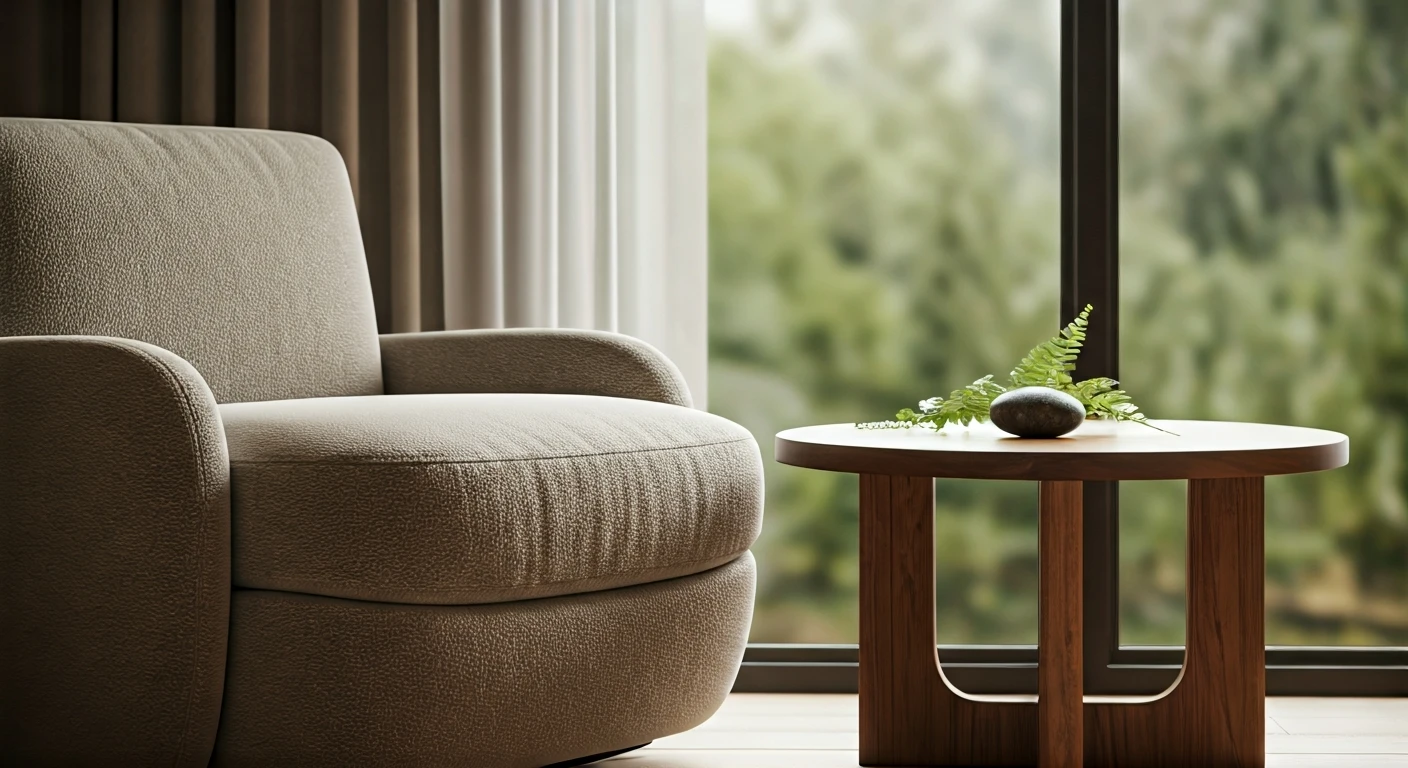
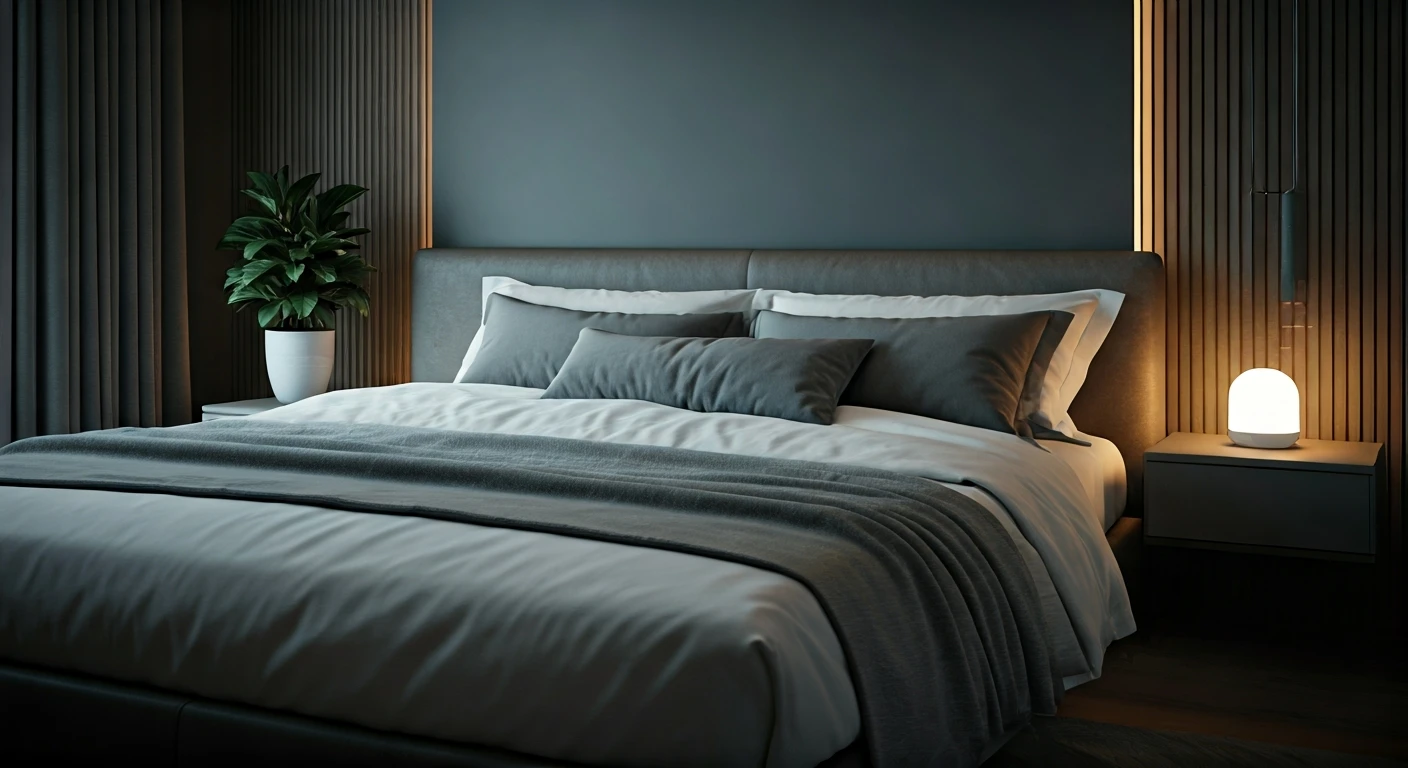
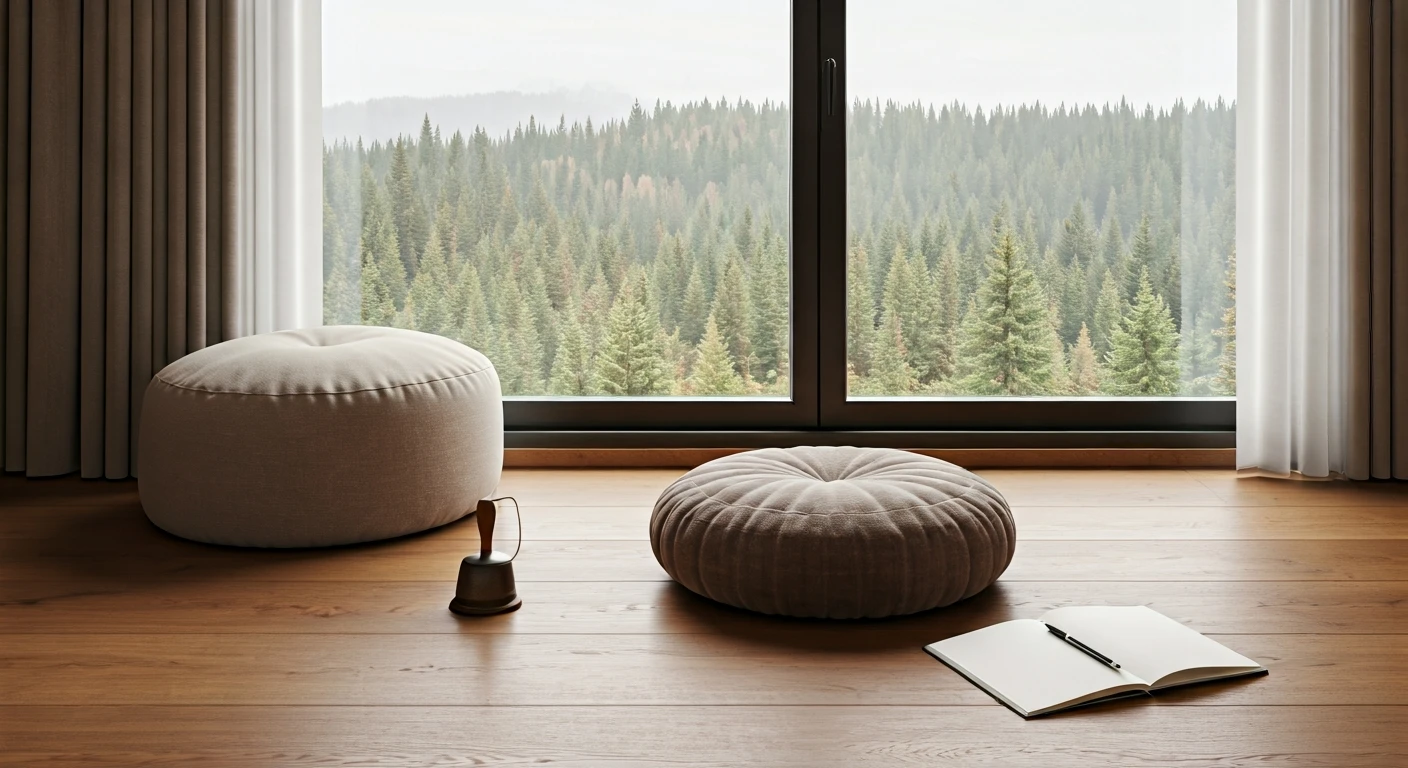
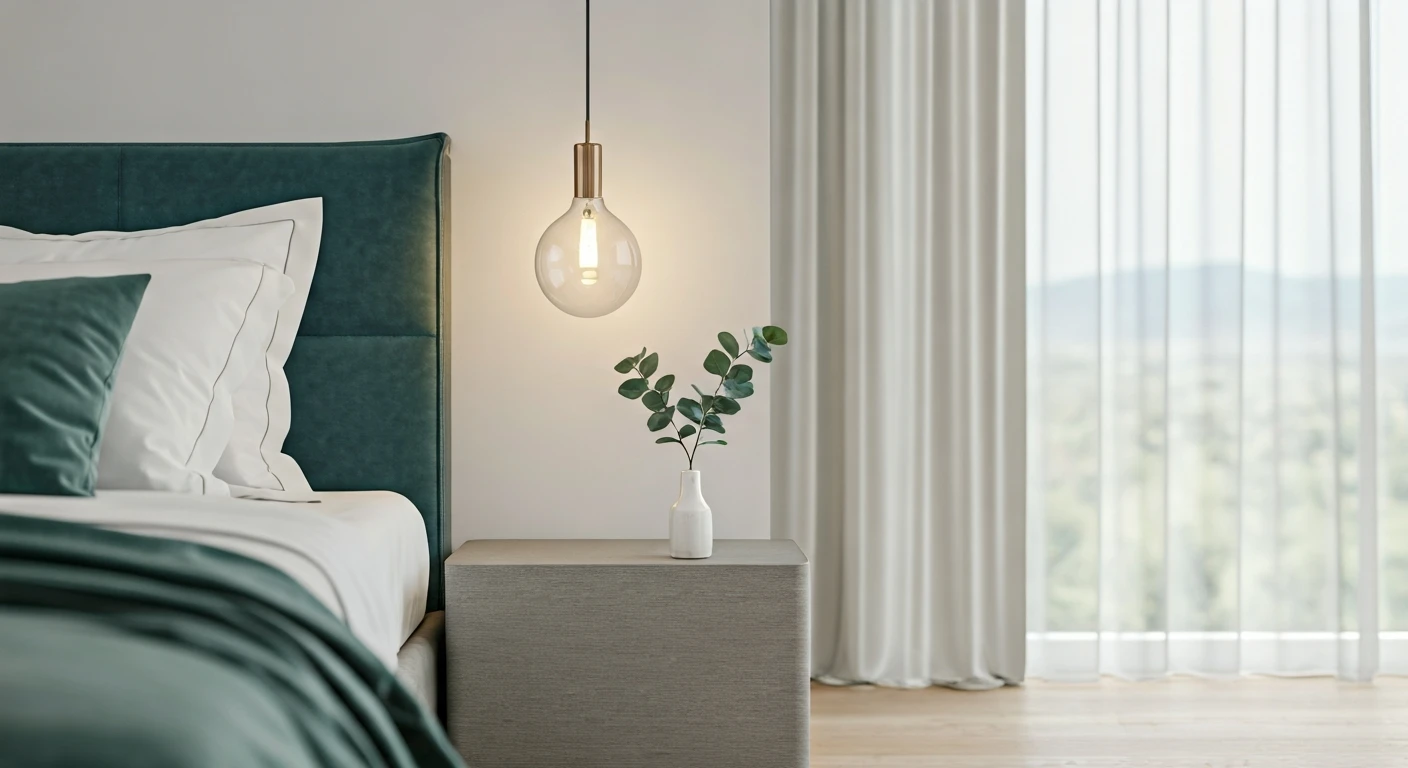
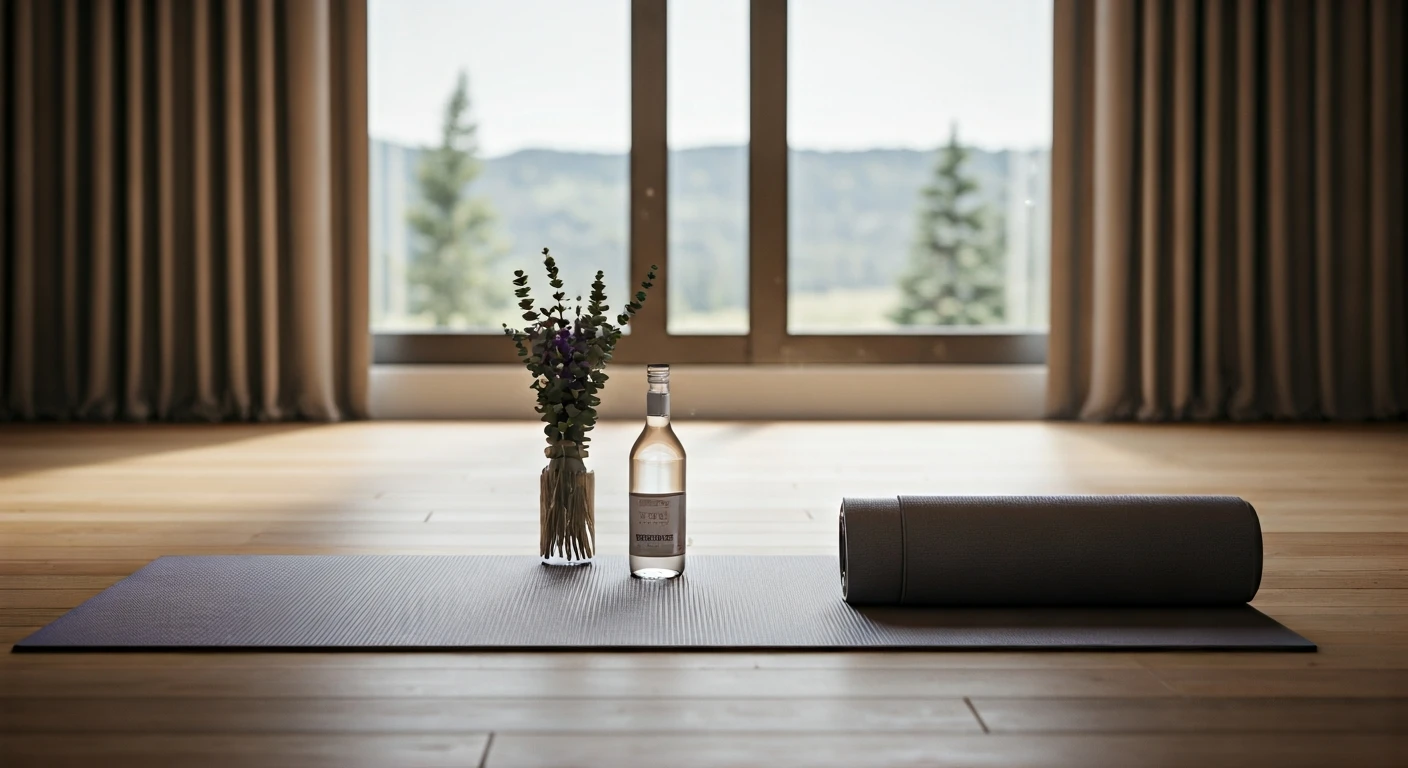
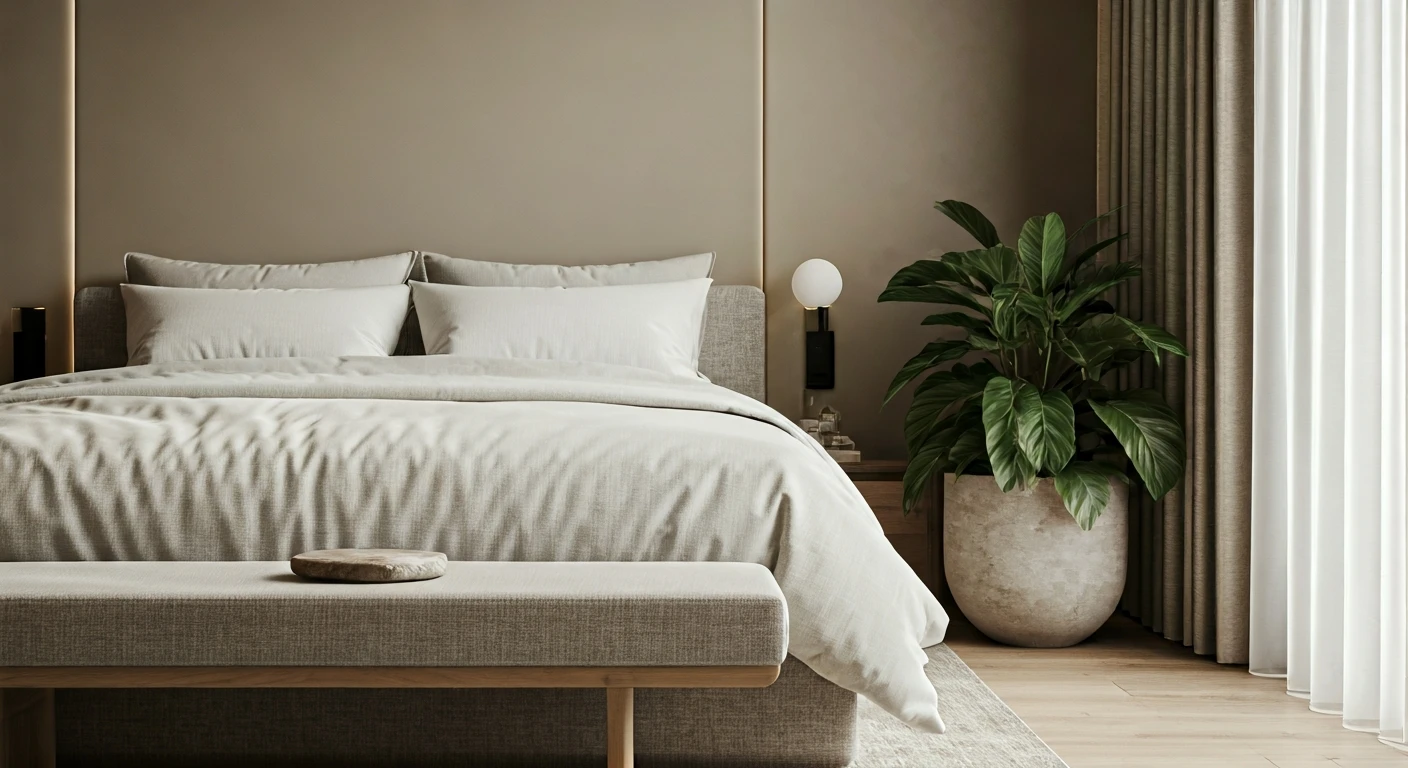
The sense of calm begins the moment you walk in, and that’s by design. Wellness hotels are masters of biophilic design, an architectural approach that connects people with nature. This goes far beyond a few potted plants in the lobby. It means maximizing natural light, using organic materials like wood and stone, incorporating water features for their soothing sounds, and ensuring clean, purified air circulates through every room. Some properties, like the 1 Hotel group, use reclaimed wood and living green walls to create an immersive, natural environment. In-room features might include circadian lighting systems that mimic the natural progression of sunlight to help regulate your sleep-wake cycle, aromatherapy diffusers with calming essential oils, and even private meditation corners. The goal is to create a space that quiets the mind before you’ve even had your first yoga class.
Programming Your Peace of Mind
While the environment sets the stage, the real heart of the wellness hotel is its 'programming'—the curated menu of experiences designed to heal, restore, and educate. This is where they truly separate themselves from the pack. The spa menu expands from standard-issue massages to include specialized treatments like craniosacral therapy or lymphatic drainage. But the offerings extend far beyond the treatment room. You might find guided 'forest bathing' (shinrin-yoku) excursions, where you mindfully walk through nature. There are sound baths, where practitioners use crystal bowls and gongs to create meditative soundscapes. You'll see classes on mindful eating, consultations with nutritionists, and workshops with sleep experts. Hotels like Miraval Resorts or Six Senses have become destinations in their own right, where guests come not just to relax but to actively learn skills and build habits they can take home with them. It’s an active, intentional pursuit of rest, not a passive one.
The Lucrative Business of Burnout
This shift isn’t just happening out of the goodness of hoteliers' hearts; it’s a smart business strategy responding to a profound cultural need. We live in an 'always-on' culture, and burnout has become a public health talking point. The post-pandemic world has only accelerated a collective reevaluation of priorities, with mental and physical health now at the forefront. The Global Wellness Institute valued the wellness tourism market at hundreds of billions of dollars even before the pandemic, and it's projected to grow rapidly. Travelers are willing to pay a premium not just for a comfortable bed, but for a transformational experience that promises to offset the stresses of modern life. By selling 'calm,' these hotels are tapping into one of the most sought-after commodities of the 21st century. They’re offering a solution, packaged beautifully, to a problem we all feel.