
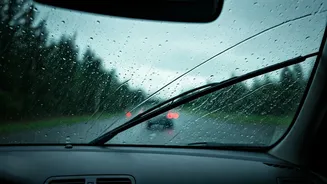


Protect Your Paint from Acid Rain
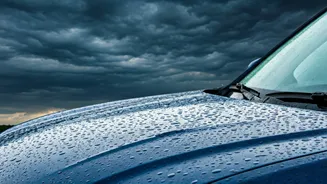
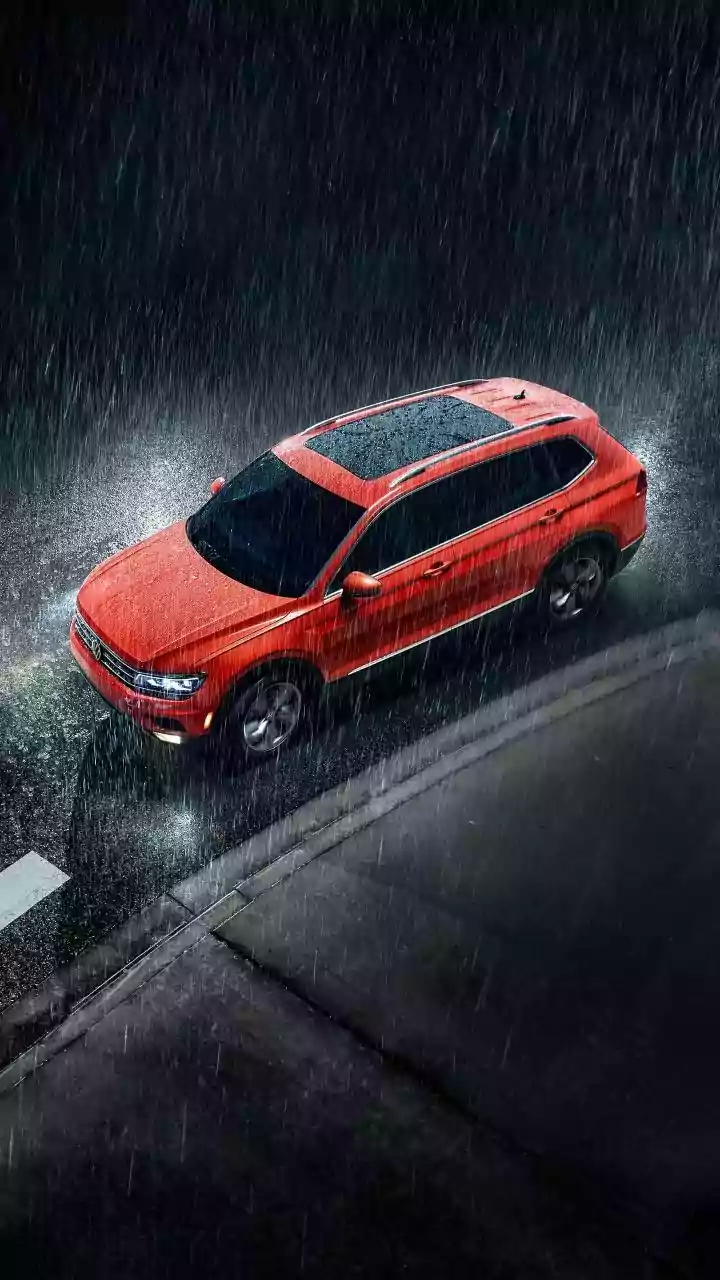
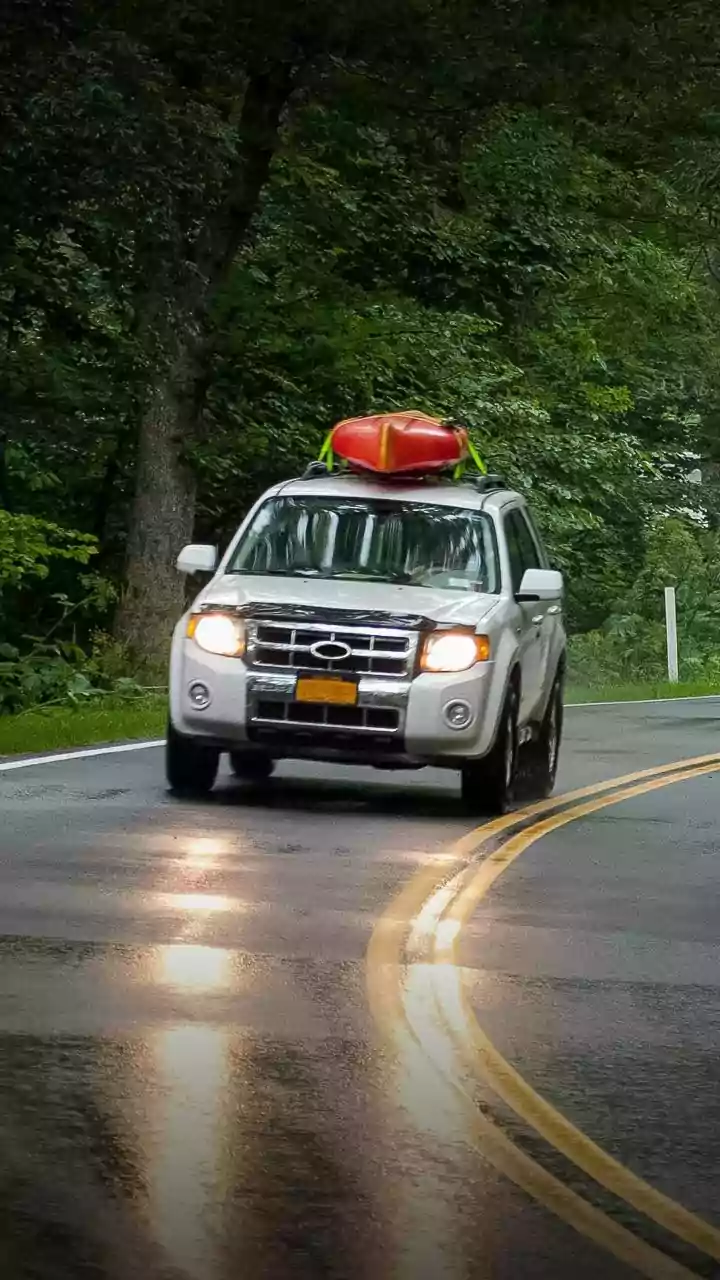
It’s not just water. Raindrops absorb pollutants like nitrogen and sulfur oxides from the atmosphere, creating a mild form of acid rain. When this water evaporates on your car's surface, these acidic deposits are left behind. Over time, they can etch
into your vehicle’s clear coat, creating permanent spots and dulling the finish. The sun then bakes these contaminants onto the surface, making them even harder to remove. This is more than just a cosmetic issue; it degrades the protective layer of your paint, leaving the metal underneath more vulnerable. **How to Prevent It:** The best defense is a good offense. Regularly apply a quality wax, sealant, or ceramic coating to your car. These products create a hydrophobic barrier that causes water to bead up and roll off, taking the contaminants with it. Instead of a free car wash, think of rain as a signal to give your car a proper wash and dry afterward to remove any lingering deposits before they can cause damage.
Guard the Undercarriage Against Rust
Out of sight, out of mind—until you’re facing a major repair bill. Your car’s undercarriage is its most vulnerable area during a rainstorm. Water, mud, and road grime get kicked up into the chassis, suspension components, and exhaust system. This moisture, especially when combined with road salts left over from winter, creates the perfect environment for rust and corrosion to take hold. Critical components like brake lines, fuel lines, and structural frame elements can slowly degrade, compromising your vehicle’s safety and longevity.
**How to Prevent It:** After driving through heavy rain or standing water, try to rinse your car's underbelly with a hose, if possible. Many automatic car washes offer an undercarriage spray option, which is a great investment, particularly after a long, wet season. For older vehicles or those in wetter climates, an undercoating treatment can provide an extra layer of protection against moisture and corrosive agents.
Keep Water Out of the Cabin
A musty, damp smell inside your car is a clear sign that water has found its way past your defenses. This isn't just unpleasant; it can lead to mold and mildew growth in your carpets and upholstery, which poses a health risk and can be very difficult to eradicate. Water typically gets in through aging or cracked rubber seals around your doors, windows, sunroof, or trunk. Blocked drainage channels, like the small weep holes at the bottom of doors or the drains in the cowl area below the windshield, are another common culprit.
**How to Prevent It:** Periodically inspect all the rubber weather stripping on your vehicle. Look for cracks, brittleness, or areas where it has pulled away from the body. You can treat healthy seals with a silicone spray to keep them supple. Also, make sure to clear any leaves, pine needles, or other debris from your car's cowl and sunroof drains to ensure water can flow out as intended, not into your interior.
Safeguard Your Electrical Systems
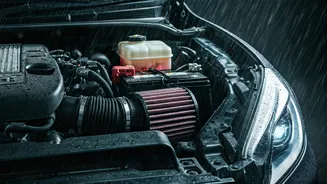
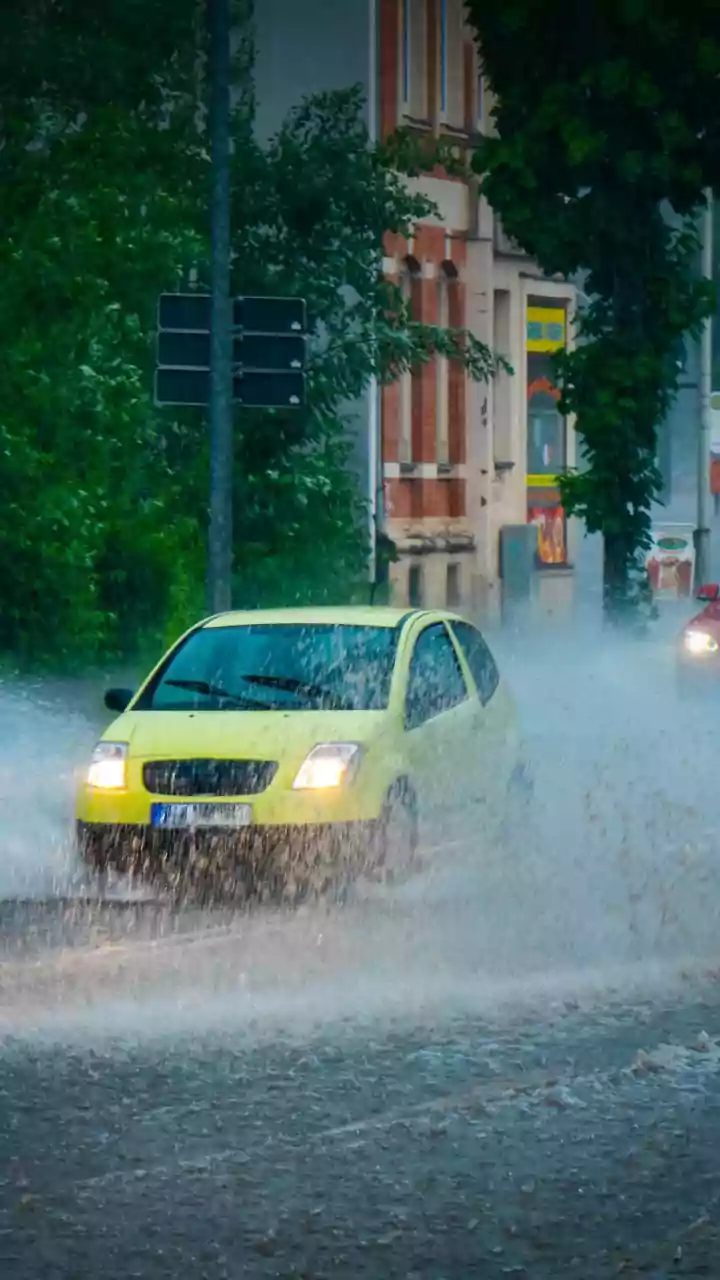
Water and electronics do not mix. While modern cars are designed with well-protected electrical systems, deep puddles and persistent moisture can still cause problems. Water can seep into wiring harnesses, corrode connectors, and lead to short circuits. This can manifest in frustrating, hard-to-diagnose ways, from a check engine light that won’t turn off to malfunctioning headlights or a car that won't start. A particularly risky move is driving through standing water that’s deep enough to reach the engine bay, which can cause catastrophic damage.
**How to Prevent It:** The golden rule is to never drive through standing water if you don't know its depth. It's often deeper than it looks and can hide potholes or other hazards. If you have driven through deep water, be alert for any new electrical quirks. Ensure the plastic shields in your wheel wells and under the engine are intact, as they are designed to deflect water away from sensitive components.
Maintain Brakes and Vision
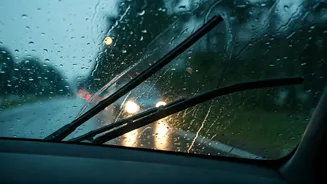
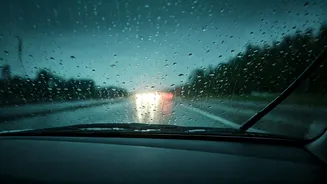
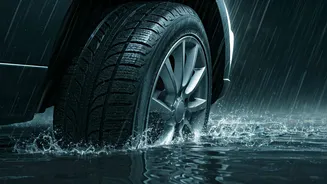
Rain's most immediate danger is its effect on driving safety. Water on the road reduces tire grip, increasing the risk of hydroplaning. It also gets between your brake pads and rotors, temporarily reducing their effectiveness. Furthermore, heavy rain can overwhelm old or worn-out windshield wipers, drastically reducing visibility when you need it most. These aren't long-term damages in the same way as rust, but they are direct consequences of rain that can lead to an accident.
**How to Prevent It:** Regularly check your tire tread depth—the legal minimum is 2/32 of an inch, but performance drops significantly below 4/32. Ensure your tires are properly inflated. Inspect your wiper blades every six months and replace them if they are streaking, chattering, or showing signs of cracking. Finally, applying a water-repellent glass treatment (like Rain-X) can dramatically improve visibility by causing rain to bead up and fly off the windshield at driving speeds.