






Defining the Perpetual Summer
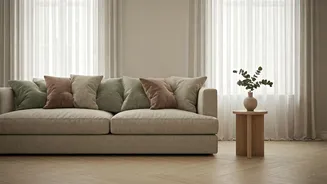
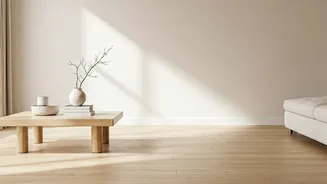
Let’s call it the Beach Era. It wasn’t just a season; it was a state of mind that quietly took over American lifestyle aesthetics for the better part of the last half-decade. You know the look: interiors filled with rattan furniture, pampas grass, and
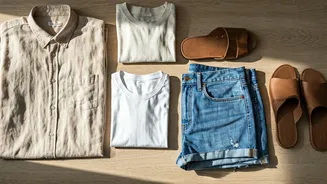
a determinedly neutral palette of beige, cream, and sand. Wardrobes overflowed with breathable linen, flowy sundresses, and Birkenstocks. On social media, the aspirational life involved a sunset, an Aperol spritz, and a caption about living simply. This was the empire of the “coastal grandmother,” an aesthetic popularized on TikTok that celebrated the breezy, moneyed comfort of a Diane Keaton character in a Nancy Meyers film. It was about projecting an image of effortless elegance and a life spent by the sea, even if you lived in a landlocked city. It was less about an actual beach and more about bottling its most serene qualities: calmness, simplicity, and a sense of being away from it all. It was a cultural security blanket woven from organic cotton.
The Powerful Appeal of Escape
Why did we all collectively decide to move into a virtual beach house? The timing isn't a coincidence. The Beach Era blossomed in the wake of a period marked by global uncertainty, social upheaval, and the anxieties of the pandemic. Our real lives felt complicated, claustrophobic, and chaotic. The Beach Era offered a potent fantasy: escape. It was a visual and psychological retreat. Decluttering our homes and filling them with light, natural materials felt like a way to control our immediate environment when the world outside felt uncontrollable. Wearing a simple linen set was an antidote to the complexities of dressing for a world that no longer had clear rules. This aesthetic wasn't about being lazy; it was about seeking peace. It promised that if you could just make your apartment look like a minimalist Malibu bungalow, perhaps your mind would feel just as clear and uncluttered. For a while, it seemed to work. It was the design equivalent of a deep, cleansing breath.
Cracks in the Seashell Facade
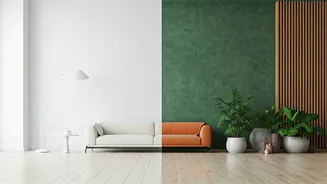
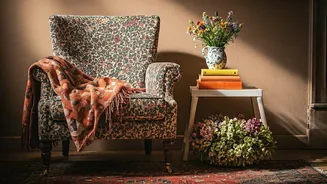
But no vacation lasts forever. Lately, the gentle waves of the Beach Era have been met with a choppier, more interesting current. The signs of a shift are everywhere. Look at the new aesthetic archetypes storming social media: the “eclectic grandpa,” with his love of patterned sweaters, worn-in loafers, and charmingly cluttered bookshelves; or the “office siren,” who favors sharp tailoring, 90s-era corporate chic, and a moody, urban glamour. These new trends reject the core tenets of the Beach Era. Where the beach was about minimalism, the new mood embraces maximalism and personality. Where coastal life was about escaping into nature, these aesthetics celebrate the energy of the city, the library, the office, and the thrift store. Color palettes are getting darker and richer. There’s a renewed interest in vintage, in pieces with history and patina rather than brand-new, mass-produced simplicity. The fantasy is no longer about escaping life, but about diving into its most textured, specific, and even eccentric corners.
So, What Comes After the Beach?
The end of the Beach Era doesn’t mean we’re all throwing out our linen pants. Instead, it signals a broader cultural fragmentation and a craving for more personal forms of expression. There isn’t one single aesthetic replacing the coastal vibe; there are dozens. It’s a move from a monolithic ideal to a more diverse, 'choose your own adventure' approach to style and living. What these new trends share is a sense of active participation. The Beach Era was often passive—about relaxing, unplugging, and being. The new mood is about doing—curating, collecting, creating, and performing a more defined identity. It's about finding beauty not in a blank canvas, but in a canvas crowded with personal history, intellectual curiosity, and bold choices. We’re trading the quiet luxury of the coast for the vibrant, sometimes messy, energy of a life fully lived. It’s less about finding a peaceful view and more about becoming the interesting view yourself.