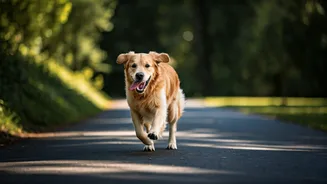




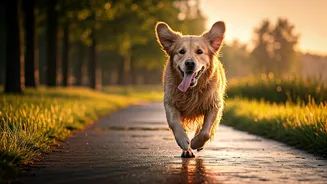




More Than Just a Pacing Partner
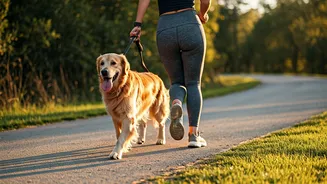
Anyone who has laced up for a long run knows the mental negotiation that precedes it. It’s you against the miles, the weather, and your own motivation. But for a growing cohort of runners, there's another presence on the trail: a wagging tail. Running
with a dog transforms the solitary act of logging miles into a shared experience. The dog isn’t just a companion; it's a living, breathing reason to get out the door. It doesn’t care about your pace, your gear, or whether you hit your splits. It’s just happy to be there, sharing the path. This simple partnership combats what psychologists call “exercise-induced loneliness.” While running can be a social activity in the form of races or clubs, the day-to-day training is often done alone. A canine companion fills that void with non-judgmental presence. Their enthusiasm is infectious, turning a grueling hill climb into a shared challenge and a cool-down walk into a moment of mutual satisfaction. This isn't just about having company; it’s about a fundamental shift in the psychology of the run, from a chore to a joy, from a solo grind to a team effort.
A Built-In Accountability Buddy
The alarm goes off. It's dark, it’s cold, and the warmth of your bed feels non-negotiable. For a solo runner, hitting the snooze button is an easy victory for comfort over discipline. For the dog owner, it’s not so simple. That gentle nudge of a wet nose or the expectant jingle of a leash is a powerful call to action. Dogs thrive on routine, and once they learn that a morning run is part of the schedule, they become the most reliable accountability partners a person could ask for. This built-in motivation is a game-changer. Unlike a human running buddy who might text to cancel, a dog is always ready to go. This consistency helps build habits that stick. Research on exercise adherence consistently shows that social support is a key factor in long-term success. While we usually think of that support as human, the unwavering expectation of a pet provides a similar, if furrier, form of encouragement. They force you to be a person who shows up, not just for yourself, but for them.
The Rise of the 'Pooch Pacer' Community
The trend extends beyond individual human-dog duos. All across the country, it’s fostering new kinds of communities. Informal groups gather at local parks, their runs dictated by dog-friendly trails. More formally, the sport of “canicross” (cross-country running while tethered to a dog) is gaining a foothold in the U.S. These events bring together people who share a passion for both running and their four-legged friends, creating a niche but fervent social scene. Online, Facebook groups and apps connect local dog runners looking for trail recommendations or new running partners—both human and canine. A dog acts as an instant icebreaker. A simple “What kind of dog is that?” at a trailhead can easily lead to a shared run and a new friendship. In a world where making new connections as an adult can feel daunting, the dog serves as a social lubricant, bridging the gap between strangers who share a common interest. It’s a community built not on competitive times, but on a shared love for the simple act of running alongside a happy dog.
Safety and Connection on the Trail
For many, especially those who run in the early morning, late evening, or on secluded trails, personal safety is a constant concern. A dog, particularly a larger one, provides a powerful sense of security. Their presence can be a deterrent to would-be threats, and their keen senses can provide an early warning of wildlife or other people on the path. This allows the runner to relax and focus on the run itself, rather than constantly scanning their surroundings. But the connection is deeper than just safety. The bond forged over miles of shared effort is unique. You learn to read your dog’s subtle cues—a slight dip in energy, a surge of excitement at a familiar scent. They, in turn, learn to match your pace and anticipate your movements. This silent communication strengthens the human-animal bond in a way that a simple walk around the block cannot. It’s a partnership built on trust, endurance, and the unspoken understanding that you’re in this together, one stride at a time.