



From Concrete Slabs to Green Havens
Chennai, a sprawling metropolis on India’s southeastern coast, is a city of intense heat, humidity, and urban density. For many of its millions of residents, private green space is a luxury. Yet a powerful counter-trend has emerged, driven by a desire
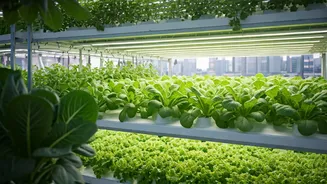
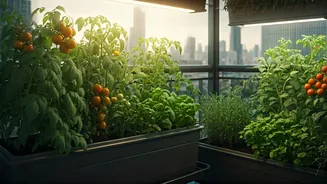
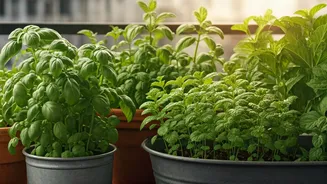
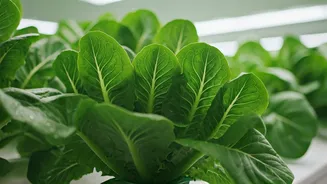
for freshness, sustainability, and a connection to nature. Apartment dwellers are embracing vertical and container gardening, turning their modest balconies into surprisingly lush ecosystems. Using pots, grow bags, and hydroponic setups, they are cultivating a kitchen’s worth of essential herbs and vegetables just steps from their homes. This isn't just about aesthetics; it's a practical response to the challenges of urban living, from concerns over pesticide use on commercially grown produce to the simple, satisfying act of nurturing something from seed to harvest in the middle of a concrete jungle.
The Hyper-Local Herb Economy
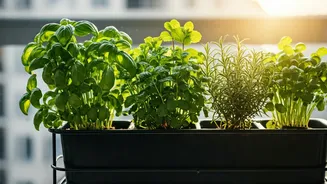
The true innovation lies in what happens when these gardens become too productive. A single pot of mint or holy basil (tulsi) can quickly yield more than one family can use. This surplus has sparked a micro-economy built on trust and proximity. Rather than letting precious herbs wilt, gardeners are sharing and selling them to their neighbors. The “market” isn't a formal stall, but a fluid network operating through apartment complex WhatsApp groups, friendly conversations in the elevator, or a small, hand-written sign placed near a pot. One resident might offer a bunch of fresh coriander, essential for countless Indian dishes, in exchange for a neighbor’s surplus curry leaves. Others might sell small bundles for a handful of rupees, providing a convenient, ultra-fresh alternative to a trip to the crowded local market. It’s commerce at its most personal and direct.
More Than Just a Garnish
For an American audience, it’s important to understand that herbs in an Indian kitchen aren't just a final flourish—they are foundational. Fresh coriander, mint, and curry leaves are not optional garnishes but core ingredients that define the flavor profile of daily meals. Holy basil, or tulsi, is revered for its medicinal properties and is a staple in many households for teas and remedies. Having a fresh, constant, and pesticide-free supply of these greens is a significant quality-of-life improvement. This movement ensures that the most vital, fragrant parts of a meal are also the most wholesome, grown with care by a neighbor instead of being transported across long distances and sitting on a store shelf. This focus on freshness and purity is a key driver of the balcony-to-kitchen pipeline.
A Blueprint for Greener Cities?
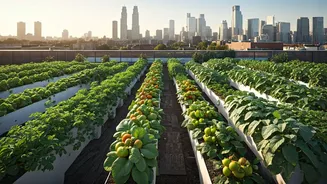
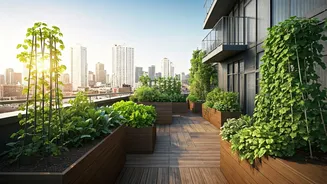
While this trend is rooted in the specific culture and climate of Chennai, its underlying principles are universal. Cities across the United States are grappling with similar issues of food security, supply chain vulnerability, and a public desire for more sustainable living. The Chennai balcony model offers a powerful, scalable blueprint for how urban communities can become more resilient. It demonstrates that you don’t need a sprawling yard to participate in local food production. By activating underutilized spaces—balconies, rooftops, windowsills—residents can collectively reduce food miles, improve nutrition, and foster a stronger sense of community. This hyper-local approach builds social fabric just as effectively as it grows food, creating networks of exchange and mutual support that strengthen a neighborhood from within.