
The Underdog Champion of Mangoes
In the crowded, competitive world of mangoes, the Alphonso often gets the celebrity treatment. It’s the one name everyone knows, the variety from western India often dubbed the “King of Mangoes.” But ask anyone with roots in Bengal, and they’ll tell you
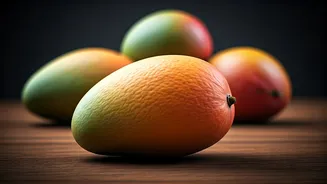
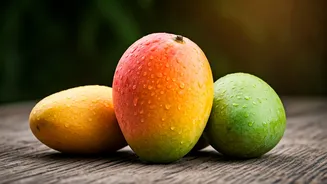
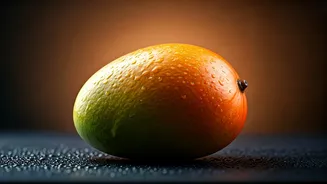
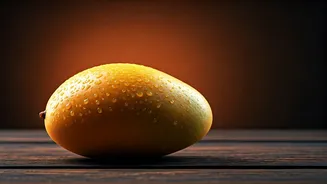
about the true monarch: the Himsagar. For decades, it has been a beloved regional treasure, a fruit whose reputation is passed down through families rather than splashy marketing campaigns. The Himsagar is medium-sized, with a greenish-yellow skin that lacks the ostentatious blush of its rivals. It doesn’t scream for attention. But what it lacks in visual bravado, it more than makes up for in substance. To slice into a ripe Himsagar is to understand perfection. Its deep, saffron-colored flesh is completely fiberless, melting on the tongue with a creamy, buttery texture. The flavor is a masterclass in balance—intensely sweet but never cloying, with complex floral and honeyed notes and a distinctive, intoxicating aroma that fills a room.
A Short Season, An Enduring Legend
The source of the Himsagar lover’s bragging rights lies in its brutal scarcity. This isn’t a fruit you can idly pick up in January. The Himsagar season is a blink-and-you’ll-miss-it affair, typically lasting just a few weeks from late May through June. This fleeting window elevates it from a mere fruit to a seasonal event. Its arrival signals the true beginning of summer for millions in West Bengal and Bangladesh. The thin skin and delicate flesh that make it so divine to eat also make it notoriously difficult to transport over long distances. It bruises easily and has a short shelf life, which is why it has remained a relative secret outside its home region. Finding a box of authentic, unblemished Himsagars in U.S. feels less like a grocery run and more like a successful treasure hunt. When you have them, you don't just eat them; you flaunt them, sharing photos and celebrating the score.
More Than a Fruit, It's an Emotion
For the Bengali diaspora, the taste of a Himsagar is an express ticket to childhood. It’s the flavor of summer vacations, of grandparents slicing fruit after dinner, of juice dripping down your chin in the sweltering heat. The name itself, which translates to “Ocean of Nectar” or “Ocean of Snow,” is pure poetry, hinting at its transcendent quality. Unlike more commercialized varieties, the Himsagar remains deeply tied to a sense of place and identity. It’s a cultural touchstone. When families in the U.S. finally get their hands on a shipment, it’s an occasion. They are shared, gifted, and consumed with a reverence typically reserved for fine wine or aged cheese. Every bite is a confirmation of a deeply held belief: that this specific, ephemeral taste is, quite simply, the best in the world.
The Unspoken Mango Rivalry
The quiet confidence of the Himsagar enthusiast stands in contrast to the global fame of the Alphonso. Alphonso loyalists praise its rich, uniform sweetness and sturdy build. But Himsagar fans will politely argue that the Alphonso can be one-note, its sweetness sometimes overpowering. They’ll counter that the Himsagar offers a more sophisticated, aromatic experience. It’s the connoisseur’s choice, the indie darling to the Alphonso’s blockbuster hit. This friendly feud plays out every summer in South Asian grocery stores and online forums across America. While Alphonso boxes are stacked high, the Himsagar shipment arrives with little fanfare, often selling out within hours to those who know to look for it. Getting that box is the ultimate seasonal win, a tangible piece of proof that your palate is tuned to a higher frequency.