



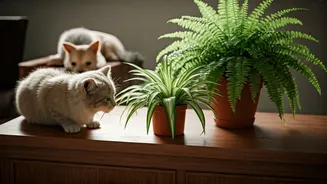


The Rise of the Pet-Conscious Consumer
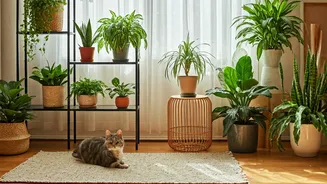
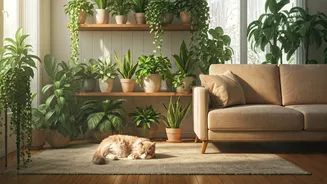
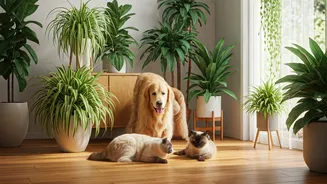
The American home has changed. According to the American Pet Products Association, an estimated 66% of U.S. households now own a pet. Simultaneously, the houseplant market has exploded, driven by a wellness-focused generation seeking to bring nature indoors.
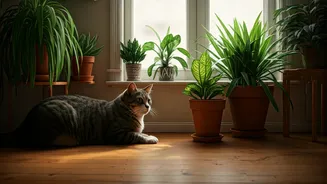
This convergence has created a new type of consumer: one who scours plant tags not just for watering instructions, but for a crucial piece of information—is it toxic to their cat or dog? This isn’t a niche concern. It’s a mainstream market force. Online searches for “pet-safe houseplants” have surged, and social media is filled with forums where owners trade tips on keeping their curious companions away from dangerous flora. This heightened awareness, heavily influenced by organizations like the ASPCA, is sending clear signals to the commercial horticulture industry: safety sells.
How ASPCA Information Becomes Market Data
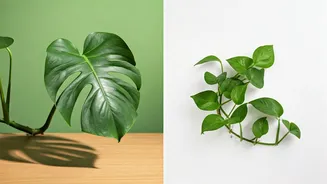
While there isn't a specific '2026 Data' report from the ASPCA dictating market futures, the organization's influence is arguably more powerful and continuous. The ASPCA's comprehensive, publicly available database of toxic and non-toxic plants for pets has become the unofficial bible for concerned owners. Every time a pet owner consults this list before making a purchase, they are casting an economic vote. Multiplied by millions, this collective action functions as real-time market data that growers and retailers cannot afford to ignore. Plants like lilies, sago palms, and oleander, long prized for their beauty, are now flagged as significant risks. A beautiful lily can cause fatal kidney failure in cats. A single sago palm seed can be deadly to a dog. As this knowledge becomes more widespread, demand for these plants softens among the massive pet-owning demographic, forcing nurseries to re-evaluate the risk of stocking them.
Nurseries and Growers Adapt to Survive
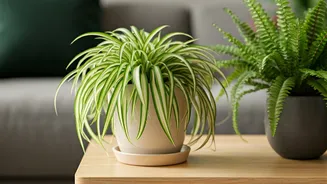
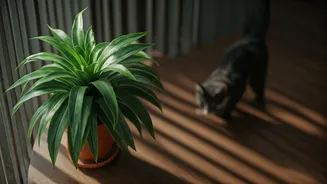
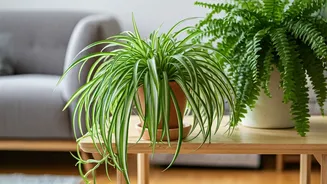
The 'shaking up' of nursery stocks is happening on multiple fronts. First is inventory curation. Large-scale growers are shifting production toward plants consistently listed as safe. Varieties like the Spider Plant, Parlor Palm, and various Calatheas are seeing a surge in cultivation because they can be marketed with the coveted “pet-friendly” label. Retailers, from big-box stores to local garden centers, are creating dedicated “pet-safe” sections, making it easier for consumers to shop with confidence. Second is marketing. The term 'pet-friendly' has become a powerful sales driver. Growers are adding it to plant tags, and online retailers are using it as a primary search filter. This isn't just a label; it's a strategic response to consumer demand that directly impacts a nursery’s bottom line. Companies that adapt are capturing a loyal, motivated segment of the market, while those who fail to highlight safety risk being left behind. Finally, the trend is even influencing plant development. While not yet widespread, there is growing industry chatter about the potential for breeding or developing new cultivars of popular but toxic plants that are less harmful, creating a best-of-both-worlds scenario for plant and pet lovers.
A Greener, Safer Future for Homes
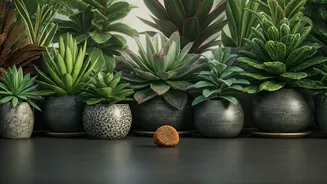
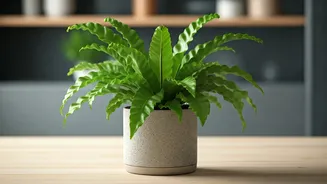
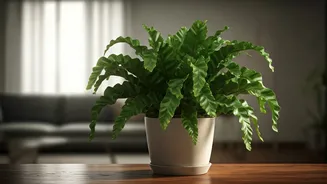
For consumers, this industry shift is overwhelmingly positive. It means greater access to a diverse range of plants that don’t pose a threat to their animal companions. Popular and safe choices now regularly stocked include the Boston Fern, Money Tree, and African Violet. Hoyas and most succulents (with notable exceptions like Jade) also fall into the generally safe category. However, the responsibility doesn't end at the checkout counter. The ASPCA advises that even 'non-toxic' plants can cause mild gastrointestinal upset if ingested in large quantities. The core message for pet owners remains one of vigilance. The difference is that the market is finally aligning with their needs, making it easier than ever to create an indoor jungle that is both beautiful and safe for every member of the family, furry or otherwise.