




The Ghost of a Summer Capital
To understand Shimla's particular brand of nostalgia, you have to understand its past. For nearly a century, this was the summer capital of British India, a refuge from the blistering heat of the plains. The British didn't just build a town; they recreated
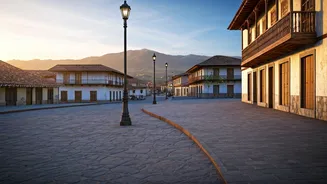
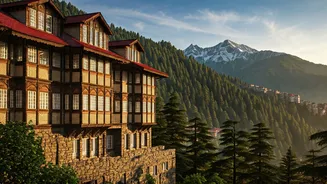
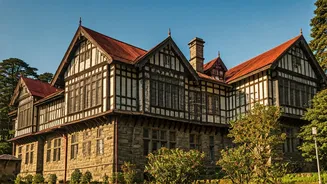
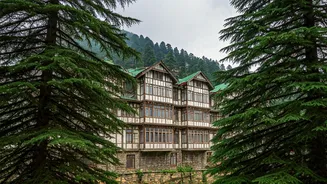
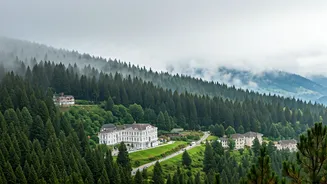
a piece of England in the mountains. Walking through Shimla is like stepping into a historical diorama. Grand Victorian and mock-Tudor buildings line The Mall Road, a pedestrian-only artery where viceroys and ladies once promenaded. Christ Church, with its solemn Gothic spires, stands sentinel on The Ridge, looking as if it were plucked from a Cotswold village. This architecture is the bedrock of the town’s nostalgic feel—a permanent, physical reminder of a bygone era, now serving as the backdrop for modern Indian life.
A Cascade of Autumn Light
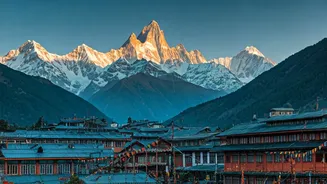
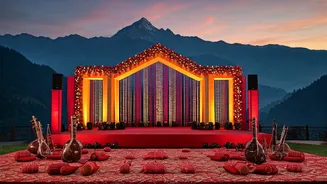
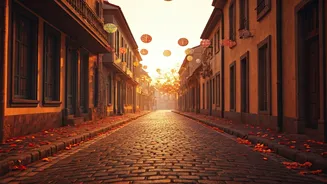
This colonial stage comes alive during the festival season, which typically runs from October through December. It begins with the explosive energy of Dussehra, celebrating the triumph of good over evil. The highlight is the burning of towering effigies of the demon king Ravana, a spectacle that fills the cool night air with cheers and crackling fire. Weeks later, the mood shifts to one of intimate celebration for Diwali, the festival of lights. The entire town seems to hold its breath as thousands of tiny clay lamps, or *diyas*, and intricate strings of fairy lights flicker to life. They illuminate windowsills, spill from shopfronts, and trace the winding hillside roads, creating a river of gold against the dark, imposing mountains. The sight of centuries-old colonial buildings bathed in the soft, ancient glow of Diwali is where the magic truly coalesces.
Walking Through a Storybook
The experience is sensory and immersive. Strolling along The Mall Road during this period feels like walking through a beautifully conflicted dream. The air is thick with the sweet smell of roasting corn on the cob and the spicy aroma of momos steaming in street-side stalls. Families, bundled in sweaters and bright shawls, browse shops selling everything from Himachali woolens to intricate wooden crafts. The soundscape is a blend of modern Bollywood hits blasting from a storefront, the joyful chatter of crowds, and the distant, clanging bell of a temple. Above it all, the Christ Church bell might toll the hour, a somber echo of a different time. It’s this collision of worlds—the quintessentially Indian festival spirit playing out against a distinctly British colonial backdrop—that creates a feeling so potent and unique.
A Nostalgia for Someone Else's Past
What is this “peak hill nostalgia” really about? It’s complex. For an American visitor, it’s not a personal memory, but a borrowed one, absorbed from films, books, and the very atmosphere of the place. It’s a fascination with the faded elegance of the British Raj, a world of steam trains, garden parties, and mountain retreats. Yet, the feeling is softened and made joyful by the vibrant, living culture of India today. The nostalgia isn't just for a colonial past; it’s for the romance of all mountain towns, for the universal comfort of festive lights in the cold, and for the simple pleasure of being in a place that feels utterly detached from the rush of the modern world. It’s a storybook setting where you, for a moment, get to be part of the story.