


The Old Itinerary: Breaking From The Big Plate
For decades, the American restaurant script has been predictable: you get a drink, maybe a shared appetizer, and then you commit. You choose one main course, one large plate of food that will define your entire meal. It’s a high-stakes decision. What
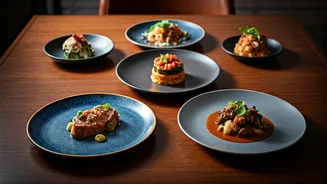
if you pick wrong? What if your friend’s salmon looks ten times better than your chicken? It’s a structure that prioritizes a single, monolithic experience over variety and exploration. Enter the small plate. Whether a restaurant calls it tapas, meze, or simply “shareables,” the concept is a powerful shift. Instead of locking into one flavor profile for the evening, you’re invited to build your own tasting menu. This isn’t just about smaller portions; it’s a fundamental change in the rhythm and purpose of dining out. It liberates you from entrée FOMO (Fear of Missing Out) and turns the entire meal into an adventure.
Your First Stop: A World of Flavors
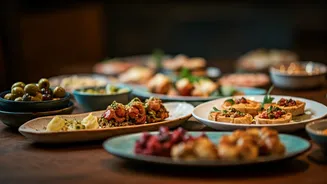
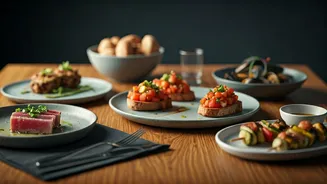
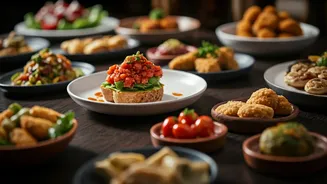
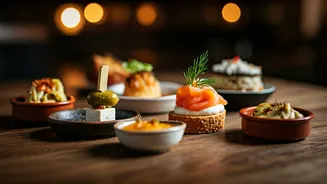
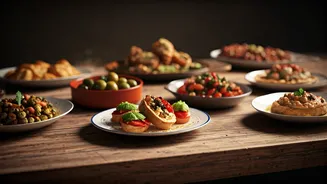
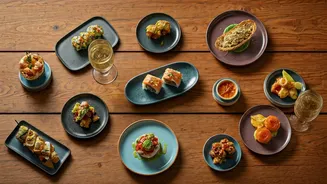
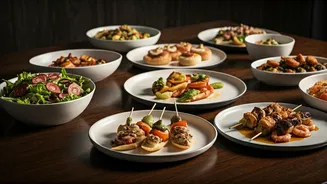
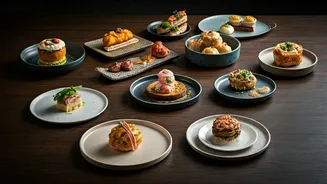
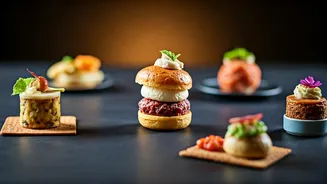
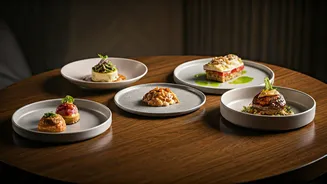
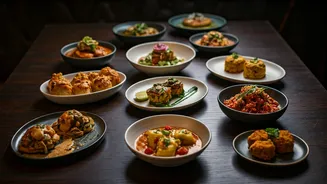
The most immediate reward of small-plate dining is variety. A table filled with several small dishes becomes a vibrant landscape of colors, textures, and aromas. In a single meal, you can travel from a smoky, paprika-dusted octopus inspired by Spanish tapas to a bright, herby whipped feta reminiscent of a Greek island. One plate might offer the savory crunch of a well-made arancini, while another delivers the delicate complexity of seared scallops with a citrus reduction. This approach allows a chef to showcase a wider range of skills and ingredients, and it empowers you, the diner, to become a curator. You’re not just a passenger on the restaurant’s pre-set journey; you're charting your own course, one delicious stop at a time.
The Perfect Travel Companions: A Social Affair
Look around a restaurant where people are eating small plates, and you’ll notice a different energy. The dining experience is immediately more communal. Instead of everyone silently guarding their own entrée, there’s conversation, interaction, and movement. Forks cross the table. People point and ask, “What was that one again?” or exclaim, “You have to try this.”
Sharing food is an inherently social act, and small plates are designed for it. The structure encourages discussion and collaboration, starting with the ordering process itself. Deciding as a group what to get becomes part of the fun. This interactive style breaks down the formality of a traditional meal, turning dinner from a quiet, individual activity into a lively, shared event. It fosters connection not just with the food, but with the people you’re with.
The Souvenir: Becoming an Adventurous Eater
Small plates are the ultimate gateway drug for picky eaters. The commitment is low. You’re not ordering an entire $30 plate of something you’re unsure about; you’re trying a small, often less-expensive dish. This lowers the psychological barrier to trying new things. Have you always been curious about bone marrow but afraid to commit? Or maybe you think you don’t like beets, but a small plate pairing them with goat cheese and pistachios seems intriguing. The small-plate format gives you the freedom to experiment without risk. More often than not, you’ll discover a new ingredient or flavor you love, permanently expanding your palate. It’s the perfect way to take a small culinary risk with the potential for a huge reward.
How to Plan Your Tour
Ready to book your trip? Ordering small plates can feel a little chaotic at first, but a few simple guidelines make it easy. A good rule of thumb is to order two to three plates per person. Don't order everything at once. Start with a few dishes, see how you feel, and then add more if you’re still hungry. This “pacing” is part of the experience, extending the meal and turning it into a leisurely exploration.
Also, think about balance. Try to get a mix of textures and flavors. Order something rich and savory, something light and fresh, something with a bit of crunch, and maybe something from the vegetable section. Your server is your best tour guide; don't hesitate to ask them for recommendations on popular dishes or how to build a well-rounded meal. They know the menu best and can help you navigate to the hidden gems.